
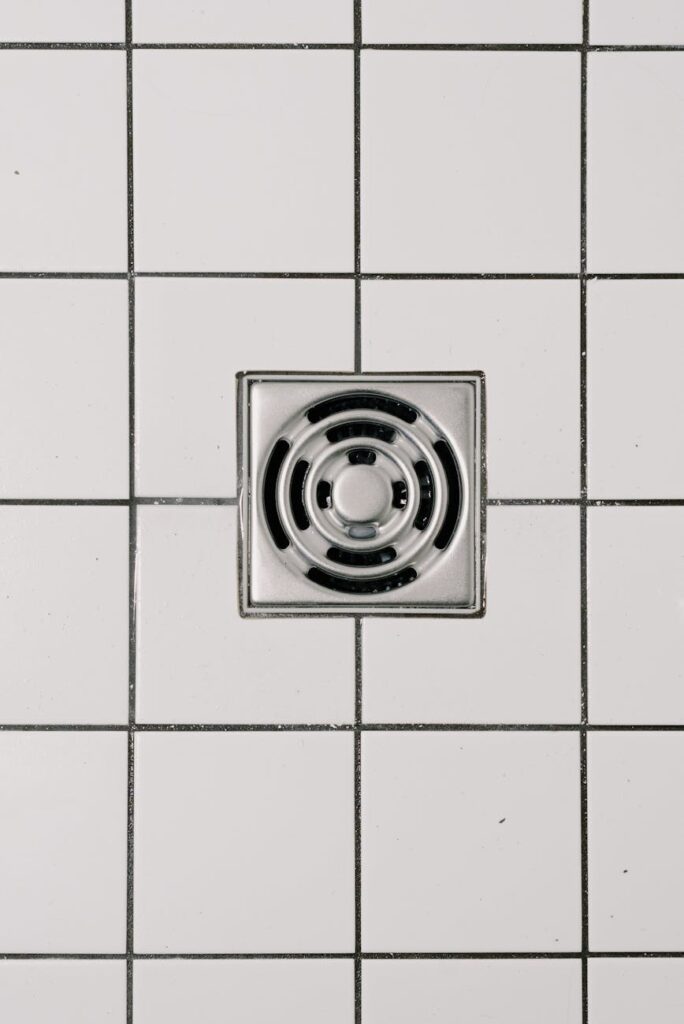
Shower Drain Mold Appliances Guide Part 1
Introduction
Mold in your shower drain isn’t just unsightly; it can lead to unpleasant odors and potential plumbing issues. Understanding how appliances contribute to mold growth can help you tackle this problem effectively. This guide will help you identify the causes, provide practical cleaning solutions, and offer tips to prevent mold from returning.
What Causes Appliances?
When we talk about appliances in the context of shower drain mold, we refer to the tools and products that can assist in cleaning and maintenance. These include:
- Drain Cleaners: Chemical solutions designed to break down clogs.
- Plungers: Handheld devices to dislodge blockages.
- Wet/Dry Vacuums: Powerful vacuums that can suck up water and debris.
- Steam Cleaners: Machines that use high-temperature steam to eliminate mold.
- Scrub Brushes: Tools for manual scrubbing of tough stains and buildup.
- Drain cleaner
- Plunger
- Wet/dry vacuum
- Scrub brush
- Steam cleaner (optional)
- Protective gloves
Each of these appliances plays a crucial role in maintaining a clean and mold-free shower drain.
Why This Problem Happens
Mold thrives in damp, dark environments—exactly what a shower drain provides. Several factors contribute to mold growth:
1. Standing Water: If your shower drain isn’t draining properly, water can sit and create a breeding ground for mold.
2. Organic Material: Hair, soap scum, and body oils can accumulate in your drain, providing food for mold.
3. Poor Ventilation: A lack of airflow can keep moisture levels high, encouraging mold growth.
4. Humidity: In humid climates, moisture can linger, making it easier for mold to develop.
Understanding these factors is the first step in effectively combating shower drain mold.
How to Fix Appliances (Step-by-Step)
To effectively clean and maintain your shower drain, follow these steps:
Step 1: Gather Your Supplies
Step 2: Remove Visible Debris
Put on your gloves and remove any hair or visible debris from the drain. You can use a drain snake or your hands (with gloves) for this step.
Step 3: Use a Drain Cleaner
Follow the manufacturer’s instructions for your chosen drain cleaner. Pour it down the drain and let it sit for the recommended time. This will help break down any organic material.
Step 4: Flush with Hot Water
After the drain cleaner has done its job, flush the drain with hot water to ensure that any remaining debris is washed away.
Step 5: Plunge the Drain
If the drain is still slow, use a plunger to dislodge any remaining blockages. Make sure to create a good seal around the drain for maximum effectiveness.
Step 6: Vacuum Up Residue
If there’s still standing water or debris, use a wet/dry vacuum to suck it out. This will help keep the area dry and prevent mold from returning.
Step 7: Scrub the Area
Use a scrub brush to clean the inside of the drain and surrounding tiles. You can also use a steam cleaner for a thorough cleanup.
Step 8: Rinse and Dry
Finally, rinse the area with warm water and dry it thoroughly to remove any remaining moisture.
Best Cleaning Methods
When it comes to cleaning shower drain mold, different methods can be effective:
1. Baking Soda and Vinegar
Pour a cup of baking soda followed by a cup of vinegar down the drain. Let it fizz for about 15 minutes, then flush with hot water. This natural method works well for minor mold issues.
2. Bleach Solution
For more stubborn mold, a diluted bleach solution (1 part bleach to 10 parts water) can be effective. Ensure good ventilation during use and never mix bleach with other cleaners.
3. Hydrogen Peroxide
Spray 3% hydrogen peroxide directly onto the mold. Let it sit for 10-15 minutes before scrubbing and rinsing. This method is less harsh than bleach but still effective.
4. Commercial Mold Cleaners
There are several commercial products specifically designed for mold removal. Always follow the manufacturer’s instructions and safety guidelines.
Common Mistakes to Avoid
1. Ignoring Regular Maintenance: Neglecting your shower drain can lead to significant mold growth. Regular cleaning is key.
2. Using Too Many Chemicals: Mixing different cleaning agents can create harmful reactions. Stick to one product at a time.
3. Not Wearing Protective Gear: Always use gloves and masks when handling chemicals to protect yourself from irritation and potential harm.
4. Overlooking Ventilation: Ensure your bathroom is well-ventilated to reduce humidity levels, especially after showers.
5. Ignoring Plumbing Issues: If you consistently face slow drainage, there may be a more significant plumbing issue at play. Consult a professional if necessary.
Prevention Tips
1. Use a Drain Cover: A drain cover can catch hair and debris, preventing clogs and reducing mold growth.
2. Keep the Area Dry: After showering, wipe down the shower walls and floor to remove excess moisture.
3. Install a Dehumidifier: If humidity is a persistent problem, consider a dehumidifier to keep moisture levels in check.
4. Regular Cleaning Schedule: Establish a cleaning routine to prevent mold from taking hold. Aim to clean your drain at least once a month.
5. Proper Ventilation: Ensure your bathroom has a functioning exhaust fan. Use it during and after showers to minimize humidity.
Frequently Asked Questions
1. How often should I clean my shower drain to prevent mold?
Aim to clean your shower drain at least once a month to prevent buildup and mold growth.
2. Can I use vinegar and baking soda together for cleaning?
Yes, combining vinegar and baking soda can be an effective natural cleaning method. Pour baking soda followed by vinegar, let it fizz, then flush with hot water.
3. What should I do if the mold persists after cleaning?
If mold persists, it may indicate a deeper plumbing issue. Consider consulting a plumber for a thorough inspection.
4. Is bleach effective against all types of mold?
Bleach can kill many types of mold, but it may not penetrate porous surfaces effectively. For such surfaces, consider using hydrogen peroxide or commercial mold removers.
5. Can I prevent mold by using essential oils?
Essential oils like tea tree or lavender may help inhibit mold growth. However, they should be used as a supplement to regular cleaning, not a replacement.
6. What if my shower drain smells bad?
An unpleasant odor can be a sign of mold or debris buildup. Follow the cleaning steps outlined above to address the issue.
By understanding the causes, cleaning methods, and prevention tips for shower drain mold, you can maintain a cleaner and healthier bathroom environment. Stay tuned for Part 2, where we’ll delve deeper into advanced cleaning techniques and tools.