
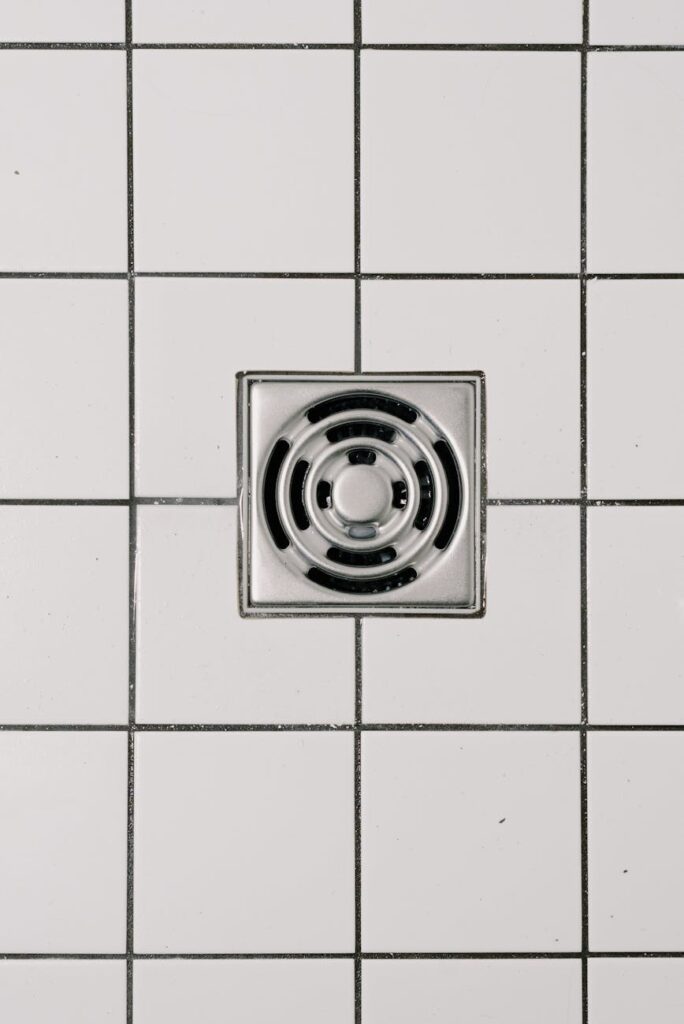
Shower Drain Mildew Stains Guide Part 1
Introduction
Shower drain mildew stains are a common nuisance that can make even the cleanest bathrooms look unkempt. These dark, unsightly stains not only detract from the appearance of your shower but can also be a sign of deeper issues. In this guide, we will explore what causes these stains, why they form, and how you can effectively tackle them with practical cleaning methods.
What Causes Stains?
Mildew stains in shower drains are primarily caused by a combination of moisture, organic debris, and poor ventilation. Here are the main contributors:
- Water Accumulation: Showers create a moist environment that is ideal for mildew growth. If water lingers in the drain, it can lead to staining.
- Hair and Soap Residue: Hair, soap, and other organic matter can accumulate in the drain, providing a food source for mildew.
- Poor Ventilation: Insufficient airflow can trap humidity, allowing mildew to thrive, especially in poorly designed bathrooms.
- Humidity Levels: Bathrooms are often humid due to hot showers. If the humidity is not properly managed, mildew can flourish.
- Clogged Drains: A clogged drain can trap water and organic matter, creating an ideal breeding ground for mildew.
- Neglected Cleaning: Regular cleaning is essential to prevent the buildup of dirt and mildew. Skipping this can lead to stains that are harder to remove.
- Rubber gloves
- Scrub brush or old toothbrush
- Baking soda
- White vinegar
- Dish soap
- Spray bottle
- Bucket or bowl
- Clear the shower area of any items that may obstruct your cleaning.
- Allow water to drain completely from the shower.
- Use the scrub brush or your hands (with gloves) to remove any visible hair or debris from the drain. This will make the next steps more effective.
- After the waiting period, use the scrub brush to scrub the drain and surrounding area. Focus on the stains until they start to lift.
- Rinse the drain thoroughly with hot water to wash away any remaining debris and cleaning solution.
- Use a clean cloth to dry the area. This will help prevent future mildew growth.
- Mix: Combine one part bleach with three parts water.
- Apply: Use a spray bottle to apply the solution to the stained areas.
- Scrub and Rinse: Scrub after 10 minutes, then rinse thoroughly.
- Choose a Product: Select a mildew remover designed for bathroom use.
- Follow Instructions: Always adhere to the manufacturer’s guidelines for application and safety.
- Mix: Combine a few drops of dish soap with warm water.
- Scrub: Use a cloth or brush to scrub the area.
- Rinse: Rinse thoroughly with water.
- Using Too Much Water: Excess water can exacerbate the problem. Always try to dry the area after cleaning.
- Neglecting Ventilation: Don’t forget to open windows or use exhaust fans to reduce humidity.
- Overuse of Harsh Chemicals: Using harsh chemicals can damage fixtures and may not be necessary. Stick to natural solutions when possible.
- Regular Cleaning: Make a habit of cleaning your shower weekly to prevent buildup.
- Dry After Use: Wipe down the shower walls and drain after each use to eliminate moisture.
- Improve Ventilation: Ensure your bathroom is well-ventilated. Use exhaust fans during and after showers.
- Install a Drain Cover: Use a drain cover to catch hair and soap, reducing debris buildup.
Why This Problem Happens
Understanding why mildew stains appear can help you address the root causes. Here are the main reasons:
How to Fix Stains (Step-by-Step)
Removing mildew stains from your shower drain doesn’t have to be a daunting task. Follow these simple steps for an effective clean:
Step 1: Gather Your Supplies
You will need the following items:
Step 2: Prepare the Area
Step 3: Remove Debris
Step 4: Apply Baking Soda and Vinegar
1. Sprinkle Baking Soda: Generously sprinkle baking soda into the drain.
2. Add Vinegar: Pour white vinegar over the baking soda. You’ll see fizzing action, which helps break down mildew.
3. Let It Sit: Allow the mixture to sit for about 15-30 minutes.
Step 5: Scrub the Area
Step 6: Rinse
Step 7: Dry the Area
Best Cleaning Methods
In addition to the baking soda and vinegar method, consider these effective cleaning solutions:
Bleach Solution
Commercial Mildew Remover
Dish Soap Method
Common Mistakes to Avoid
Avoid these common pitfalls when dealing with mildew stains:
Prevention Tips
Preventing mildew stains is easier than dealing with them after they appear. Here are some practical tips:
Frequently Asked Questions
1. How often should I clean my shower drain to prevent mildew?
Aim to clean your shower drain at least once a week to prevent mildew growth.
2. Can I use vinegar on all types of drains?
While vinegar is safe for most drains, avoid using it on natural stone surfaces as it can cause damage.
3. Is bleach effective against mildew stains?
Yes, bleach can be very effective. However, it should be used with caution and properly diluted.
4. What if the stains persist after cleaning?
If stains remain, consider using a commercial mildew remover or consulting a professional cleaner.
5. How can I tell if my drain is clogged?
Signs of a clogged drain include slow drainage, water pooling, and unpleasant odors coming from the drain.
6. Will a drain cover really help reduce mildew?
Yes, a drain cover can significantly reduce hair and soap buildup, making it easier to keep your drain clean.
By following the steps outlined in this guide, you can effectively tackle mildew stains in your shower drain and keep your bathroom looking fresh and inviting. Stay tuned for Part 2, where we will cover advanced techniques for stubborn stains and additional tips for maintaining a clean shower environment.