
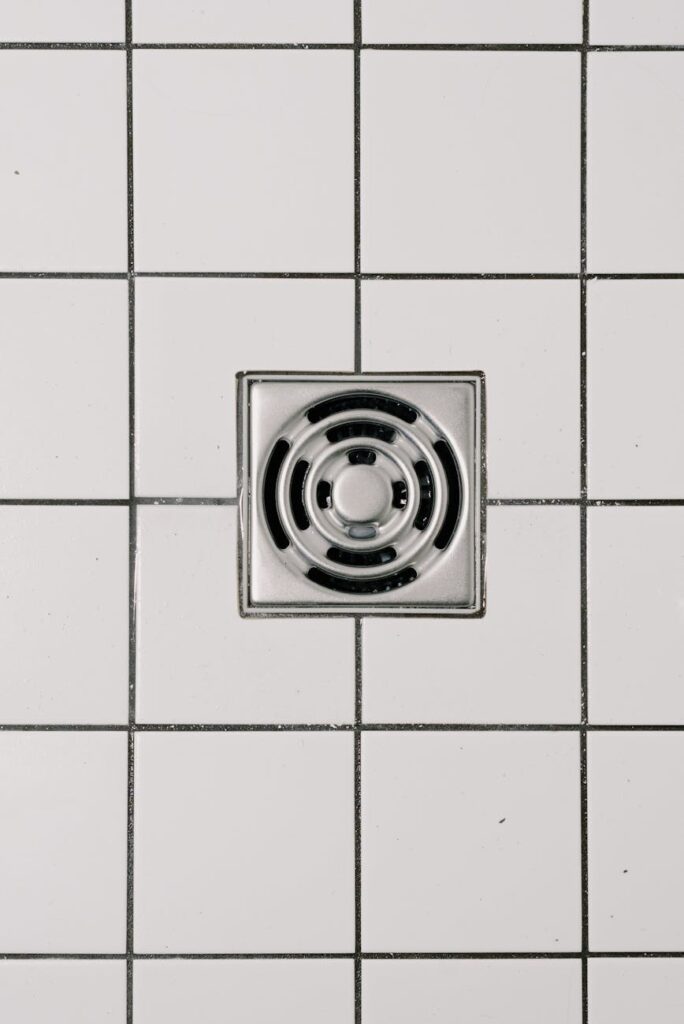
Shower Drain Mildew Bathroom Guide Part 1
Introduction
Mildew in your shower drain can be an unpleasant and persistent problem. It not only creates a foul odor but can also lead to clogs and potentially damage your plumbing over time. In this guide, we will explore the causes of shower drain mildew, how to effectively clean it, and tips to prevent it from returning. Let’s get started on creating a cleaner, healthier bathroom environment.
What Causes Bathroom Mildew?
Mildew thrives in damp, warm environments, making your shower drain an ideal breeding ground. Common causes include:
1. Excess Moisture: Showering creates steam and water that can accumulate in the drain.
2. Poor Ventilation: Bathrooms that lack proper airflow can trap humidity.
3. Organic Matter: Hair, soap residue, and other debris can provide nutrients for mildew.
4. Low Water Flow: If water isn’t draining efficiently, it can stagnate, encouraging mildew growth.
Understanding these causes is crucial for effective cleaning and prevention.
Why This Problem Happens
The shower drain is often overlooked during regular cleaning routines. As water flows down, it can carry soap, hair, and skin cells, which settle in the drain, creating a nutrient-rich environment for mildew. When combined with the warmth and humidity produced by daily showers, mildew can quickly take hold.
Moreover, inadequate cleaning habits, such as not scrubbing the drain regularly or ignoring visible buildup, can exacerbate the problem.
How to Fix Shower Drain Mildew (Step-by-Step)
Step 1: Gather Your Supplies
You’ll need:
- Rubber gloves
- A scrub brush or old toothbrush
- Baking soda
- White vinegar
- A bucket
- Boiling water
- Essential oils (optional for scent)
- Neglecting Regular Cleaning: Clean your shower drain at least once a month to prevent buildup.
- Using Abrasive Tools: Avoid steel wool or harsh scrubbers that can scratch surfaces and cause damage.
- Ignoring Visible Signs: Don’t wait for strong odors or clogs to take action. Address mildew as soon as you notice it.
- Overusing Chemicals: Relying too heavily on chemical cleaners can damage plumbing over time. Use natural methods whenever possible.
Step 2: Remove Debris
1. Wear Gloves: Protect your hands from dirt and mildew.
2. Clear the Drain: Remove any visible debris, such as hair or soap scum, using your fingers or a tool. Use a bucket to catch anything that falls.
Step 3: Apply Baking Soda and Vinegar
1. Pour Baking Soda: Sprinkle about half a cup of baking soda directly into the drain.
2. Add Vinegar: Follow with half a cup of white vinegar. You’ll notice fizzing; this reaction helps break down mildew.
Step 4: Let it Sit
Allow the mixture to sit for 15-30 minutes. This gives the solution time to penetrate and loosen mildew.
Step 5: Scrub the Drain
1. Use a Scrub Brush: After the waiting period, scrub the drain thoroughly. Focus on the edges and any crevices where mildew may be hiding.
2. Rinse with Boiling Water: Carefully pour boiling water down the drain to flush away the mixture and any loosened debris.
Step 6: Repeat if Necessary
If mildew persists, repeat steps 3 to 5 until the drain is clean.
Best Cleaning Methods
1. Baking Soda and Vinegar: This classic method is effective for breaking down mildew and deodorizing.
2. Commercial Drain Cleaners: For severe buildup, consider using a commercial cleaner specifically designed for drains. Always follow the manufacturer’s instructions.
3. Hydrogen Peroxide: For stubborn mildew, pour a cup of hydrogen peroxide down the drain and let it sit for an hour before rinsing with hot water.
Common Mistakes to Avoid
Prevention Tips
1. Ventilate Your Bathroom: Open windows or use exhaust fans while showering to reduce humidity.
2. Wipe Down Surfaces: After each shower, quickly wipe down the shower walls and floor to remove excess moisture.
3. Use a Squeegee: Use a squeegee on your shower walls to minimize water pooling.
4. Install a Drain Cover: Use a drain cover to catch hair and debris, making cleaning easier.
5. Keep the Bathroom Dry: Ensure that bath mats and towels are dried promptly to prevent mildew growth.
Frequently Asked Questions
1. How often should I clean my shower drain?
Clean your shower drain at least once a month to prevent mildew and buildup.
2. Can I use bleach to clean mildew?
While bleach can kill mildew, it may not effectively remove buildup in drains. Consider alternatives like vinegar or commercial cleaners designed for drains.
3. What if the mildew smell persists after cleaning?
If the smell remains, there may be deeper issues within the plumbing. Consider consulting a professional plumber.
4. Is it safe to use boiling water in my drain?
Yes, boiling water is generally safe for most plumbing, but avoid it if you have PVC pipes, as it can soften them.
5. Can I prevent mildew without harsh chemicals?
Absolutely! Natural methods using baking soda, vinegar, and regular cleaning can effectively prevent mildew.
6. What are the best products for drain cleaning?
Look for enzyme-based cleaners or natural products containing baking soda and vinegar for effective cleaning without harsh chemicals.
By following the steps and tips outlined in this guide, you can tackle shower drain mildew effectively and maintain a clean, fresh bathroom environment. Stay tuned for Part 2, where we’ll delve deeper into advanced cleaning techniques and maintenance strategies.