
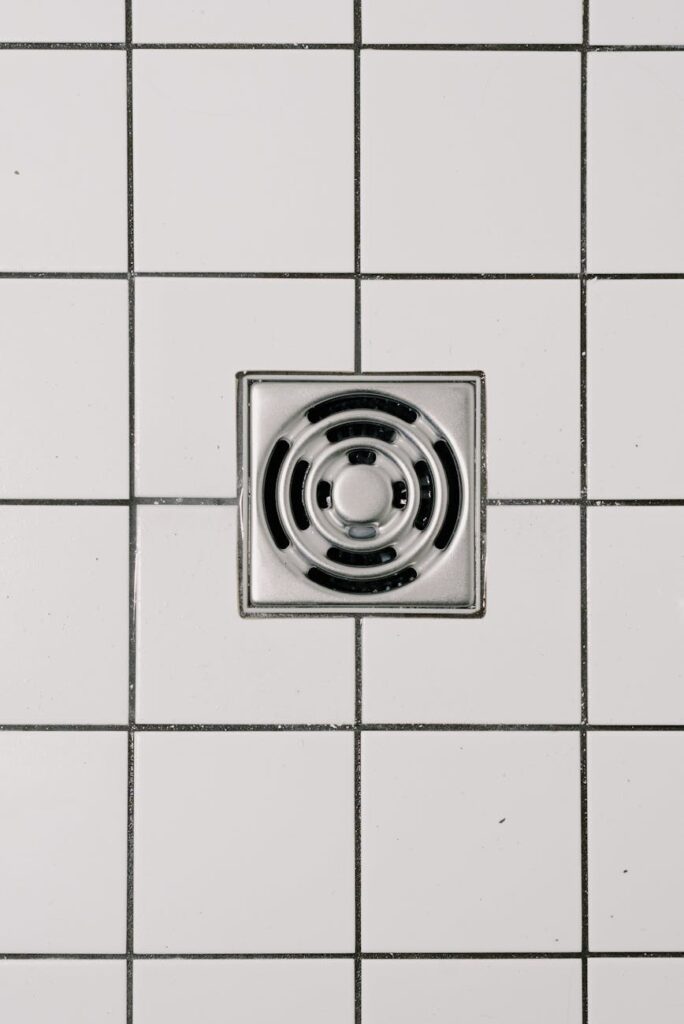
Shower Drain Mildew Appliances Guide Part 1
Introduction
Shower drain mildew is an unwelcome guest in many homes. It can lead to unpleasant odors, unsightly stains, and even plumbing issues. Thankfully, with the right appliances and cleaning techniques, maintaining a mildew-free shower drain is achievable. In this guide, we’ll explore what causes mildew, how to fix it, the best cleaning methods, common mistakes to avoid, and tips for prevention.
What Causes Appliances?
When it comes to shower drain mildew, certain appliances can either contribute to the problem or help solve it. Here are the main appliances that play a role in managing mildew.
1. Showerheads
Water flow and pressure from showerheads can influence the buildup of mildew. Low-flow showerheads may trap water in the drain, creating a breeding ground for mold.
2. Drains and Traps
The plumbing in your shower, including the drain and P-trap, is crucial. If these components are clogged or poorly designed, water can stagnate, leading to mildew growth.
3. Vacuums
Wet/dry vacuums can be invaluable for removing standing water or debris from the shower area, reducing the chances of mildew developing.
4. Steam Cleaners
Steam cleaners can effectively sanitize surfaces in your shower, including the drain area, helping to eliminate mildew without harsh chemicals.
Why This Problem Happens
Understanding why mildew develops in your shower drain can help you tackle the problem more effectively.
- Moisture: Showers create a humid environment, perfect for mildew growth. If water doesn’t drain properly, it can sit in the drain and trap moisture.
- Debris: Hair, soap scum, and other debris can build up in the drain, providing a food source for mildew.
- Poor Ventilation: A lack of airflow can keep your shower area damp, allowing mildew to thrive.
- Temperature Fluctuations: Warm, humid air combined with cooler surfaces can lead to condensation, further encouraging mildew growth.
- Rubber gloves
- A scrub brush
- Baking soda
- White vinegar
- A wet/dry vacuum (optional)
- Steam cleaner (optional)
- Ignoring Regular Maintenance: Regularly clean your drain to prevent mildew buildup.
- Using Too Much Cleaner: Overusing commercial cleaners can lead to residue buildup, attracting more mildew.
- Neglecting the Surrounding Area: Mildew can spread, so clean the shower walls and floor as well.
- Not Rinsing Thoroughly: Leaving any cleaner inside the drain can lead to clogs and further issues.
How to Fix Appliances (Step-by-Step)
Fixing shower drain mildew involves a few straightforward steps. Here’s a clear guide to help you through the process.
Step 1: Gather Your Supplies
You will need:
Step 2: Clear the Area
Remove any shower mats, personal items, and visible debris from the shower area and drain.
Step 3: Remove Drain Cover
If your shower has a drain cover, unscrew or lift it off gently. This will allow better access to the drain.
Step 4: Vacuum the Drain
Using a wet/dry vacuum, remove any standing water and debris from the drain. This will make the cleaning process more effective.
Step 5: Apply Baking Soda and Vinegar
Pour about ½ cup of baking soda into the drain, followed by ½ cup of white vinegar. Allow it to fizz and sit for about 15-20 minutes to break down any buildup.
Step 6: Scrub the Area
Using a scrub brush, scrub the inside of the drain and the surrounding area. Pay special attention to any dark spots where mildew may have formed.
Step 7: Rinse Thoroughly
Flush the drain with hot water to wash away the baking soda, vinegar, and any loosened debris.
Step 8: Steam Clean (Optional)
For stubborn mildew, use a steam cleaner to sanitize the area, focusing on the drain and surrounding surfaces.
Step 9: Replace the Drain Cover
Once everything is clean and dry, replace the drain cover securely.
Best Cleaning Methods
While the baking soda and vinegar method is effective, here are other cleaning methods to consider:
1. Commercial Cleaners
There are various commercial drain cleaners specifically designed for mildew and mold removal. Ensure they are safe for your plumbing.
2. Hydrogen Peroxide
Using a mixture of hydrogen peroxide and water can be an effective mildew killer. Spray it on the affected areas, let it sit for a few minutes, and rinse.
3. Essential Oils
Tea tree oil and lavender oil have natural antifungal properties. Mix a few drops with water and spray it on the mildew-affected areas.
Common Mistakes to Avoid
Avoid these pitfalls to ensure your cleaning efforts are effective:
Prevention Tips
To keep mildew at bay, consider these preventive measures:
1. Install a Good Drain Cover
A quality drain cover can catch hair and debris, preventing clogs.
2. Increase Airflow
Keep your bathroom well-ventilated. Open windows or use an exhaust fan during and after showers.
3. Wipe Down Surfaces
After showering, wipe down the surfaces, including the drain area, to remove excess moisture.
4. Use a Squeegee
Invest in a squeegee to remove water from shower walls and floors after each use.
5. Regular Cleanings
Schedule routine cleanings every week or bi-weekly to maintain a mildew-free environment.
Frequently Asked Questions
1. How often should I clean my shower drain to prevent mildew?
Aim for a thorough cleaning every two weeks, with quick wipes and checks weekly.
2. Can I use bleach to clean my shower drain?
While bleach can kill mildew, it may not be safe for all plumbing types and can leave harmful residues.
3. What is the best way to remove stubborn mildew stains?
Try using a mixture of baking soda and vinegar or a commercial mildew remover specifically designed for bathroom use.
4. Is it safe to use a steam cleaner on my shower?
Yes, steam cleaners are safe and effective for sanitizing surfaces, but ensure the temperature is appropriate for your shower materials.
5. Can mildew in the shower drain lead to plumbing issues?
Yes, if left untreated, mildew and debris can cause clogs and lead to more significant plumbing problems.
6. What should I do if the mildew keeps coming back?
If mildew keeps returning, check for underlying issues such as poor drainage or humidity problems in your bathroom.
By following these guidelines, you can effectively manage and prevent shower drain mildew, ensuring a clean and pleasant shower experience.