
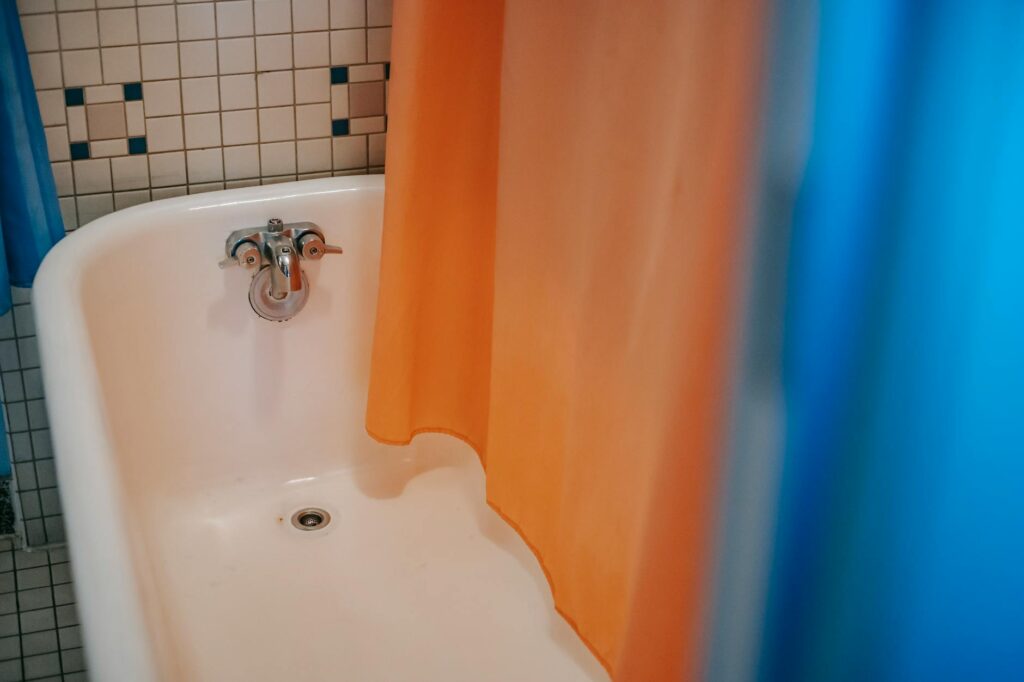
Shower Curtain Mold Stains Guide Part 1
Introduction
Shower curtains can be a breeding ground for mold and mildew, leading to unsightly stains that make your bathroom look less than inviting. Understanding how to tackle these stains is essential for maintaining a clean and healthy home. In this guide, we will delve into what causes these stains, how to fix them, and tips for prevention. Let’s get started!
What Causes Stains?
Shower curtain mold stains typically occur due to a combination of moisture, warmth, and lack of airflow. The following factors contribute to the development of these stains:
- Humidity: Bathrooms are often humid environments, especially after a hot shower.
- Soap Scum: Residues from soap and shampoo can provide a food source for mold.
- Poor Ventilation: Insufficient airflow can trap moisture, creating a perfect habitat for mold to thrive.
- Material Type: Certain materials are more susceptible to mold growth than others.
- High Moisture Levels: Water droplets from showers settle on the curtain, providing ample moisture for mold and mildew.
- Temperature Fluctuations: The warm air from hot showers creates a conducive environment for mold growth.
- Neglect: Regular cleaning is often overlooked, allowing mold to establish itself.
- Material Composition: Vinyl and fabric curtains can harbor mold if not properly maintained.
- White vinegar
- Baking soda
- A soft scrub brush or sponge
- Spray bottle
- Laundry detergent (if machine washable)
- Warm water
- For fabric curtains, spray the stained areas with a solution of equal parts water and white vinegar. Let it sit for 10-15 minutes.
- For vinyl curtains, sprinkle baking soda directly onto the stained areas.
- Rinse the curtain thoroughly with warm water.
- If machine washable, run it through a cycle with laundry detergent.
- Ignoring Regular Maintenance: Waiting too long to clean can allow stains to set in, making them harder to remove.
- Using Harsh Chemicals: Some chemicals can damage the curtain material or create harmful fumes. Always opt for safer alternatives when possible.
- Not Rinsing Thoroughly: Failing to rinse off cleaning solutions can lead to residue build-up, which may attract more mold.
- Drying in Moist Conditions: Hanging wet curtains in a damp area can encourage mold growth. Ensure proper drying conditions.
- Ventilation: Always run the exhaust fan during and after showers to reduce humidity.
- Wipe Down: After each shower, use a squeegee or towel to wipe down the curtain.
- Choose the Right Material: Opt for mold-resistant shower curtains if possible.
- Regular Cleaning: Incorporate curtain cleaning into your regular cleaning routine, ideally every few weeks.
- Use a Shower Spray: Consider using a daily shower cleaner spray to minimize soap scum and mold build-up.
Why This Problem Happens
Understanding the underlying reasons for shower curtain mold stains can help you address the issue effectively. Here are some key points to consider:
How to Fix Stains (Step-by-Step)
Cleaning mold stains from a shower curtain doesn’t have to be a daunting task. Follow these steps for effective cleaning:
Step 1: Gather Your Supplies
You’ll need:
Step 2: Remove the Curtain
Take down the curtain from the rod and shake off any loose debris. If it’s machine washable, check the care label to ensure it’s safe for washing.
Step 3: Pre-Treat the Stains
Step 4: Scrub the Curtain
Using a soft scrub brush or sponge, gently scrub the stained areas. Be cautious not to damage the fabric or vinyl.
Step 5: Rinse and Wash
Step 6: Dry
Hang the curtain back up to dry or lay it flat if it’s a fabric curtain. Ensure it’s completely dry to prevent future mold growth.
Best Cleaning Methods
Different materials may require different cleaning approaches. Here are a few effective methods:
1. Vinegar and Baking Soda
A natural way to combat mold stains. Vinegar’s acidity helps kill mold, while baking soda acts as a gentle abrasive.
2. Bleach Solution
For tough stains on white or light-colored curtains, a diluted bleach solution (one cup of bleach to a gallon of water) can be effective. Always test a small area first.
3. Commercial Mold Cleaners
There are many commercial products specifically designed for mold removal. Follow the manufacturer’s instructions for best results.
Common Mistakes to Avoid
When dealing with shower curtain mold stains, there are several common pitfalls you should avoid:
Prevention Tips
Taking preventive measures can save you time and effort in the long run. Here are some strategies:
Frequently Asked Questions
1. How often should I clean my shower curtain?
Aim to clean your shower curtain every 2-4 weeks to prevent mold and stains.
2. Can I put my shower curtain in the washing machine?
Yes, if the care label allows, you can wash it in the machine. Use a gentle cycle with warm water.
3. What type of vinegar should I use?
White distilled vinegar is the best option for cleaning due to its acidity.
4. Is bleach safe for all types of shower curtains?
No, only use bleach on white or light-colored curtains. Always test in an inconspicuous area first.
5. How can I tell if the mold is gone?
Inspect the curtain closely after cleaning; if the stains are gone and there’s no musty smell, it’s likely clean.
6. What if the stains persist after cleaning?
If stains persist, consider replacing the curtain. Sometimes, mold can penetrate the material beyond cleaning.
By following this guide, you can effectively manage and prevent shower curtain mold stains, ensuring your bathroom remains clean and inviting. Stay tuned for Part 2, where we will explore advanced cleaning techniques and product recommendations.