
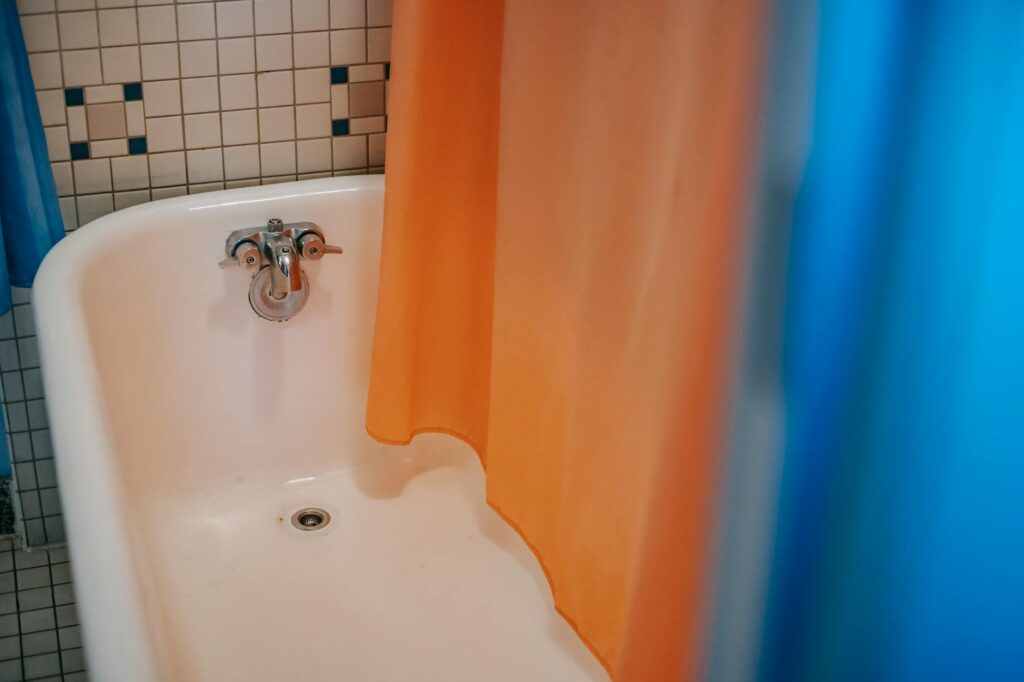
Shower Curtain Mold Cleaning Guide Part 1
Introduction
Shower curtains are a common household item, but they often face an unwelcome guest: mold. This guide will help you understand the causes of mold on shower curtains, why it happens, and provide step-by-step instructions on how to effectively clean your curtain. You’ll also learn the best cleaning methods, common mistakes to avoid, and tips for prevention.
What Causes Mold on Shower Curtains?
Mold thrives in warm, damp environments, making your bathroom an ideal breeding ground. The main culprits for mold growth on shower curtains include:
- Humidity: High humidity levels in bathrooms create a moist environment for mold spores to settle and grow.
- Infrequent Cleaning: Regular cleaning helps prevent the buildup of soap scum and mildew, which can harbor mold.
- Poor Ventilation: Lack of airflow can trap moisture, exacerbating mold growth.
- Material: Some curtain materials, like fabric, are more prone to mold than others.
- White vinegar
- Baking soda
- A spray bottle
- A soft sponge or cloth
- A washing machine (for machine-washable curtains)
- A bucket (for manual cleaning)
- Mix: Combine equal parts vinegar and water in a spray bottle, then add a few tablespoons of baking soda.
- Apply: Spray the mixture on the curtain and let it sit for 30 minutes before scrubbing.
- Caution: Use this method only on white or colorfast curtains.
- Mix: Combine one cup of bleach with a gallon of water.
- Apply: Soak the curtain in the solution for 15 minutes, then rinse thoroughly.
Why This Problem Happens
Understanding the factors that contribute to mold growth can help you tackle the issue more effectively. Here are some reasons why mold appears on your shower curtain:
1. Condensation: Hot showers create steam, which condenses on the cool surface of the curtain.
2. Soap Residue: Soap scum provides nutrients for mold to thrive.
3. Water Stagnation: If the curtain remains wet after use, it increases the likelihood of mold growth.
4. Darkness: Mold prefers dark areas, and shower curtains often remain closed and damp.
How to Fix Mold on Shower Curtains (Step-by-Step)
Step 1: Gather Your Supplies
Before you start, gather the following supplies:
Step 2: Remove the Curtain
Take down the shower curtain from the rod. If it’s machine washable, check the care label for specific washing instructions.
Step 3: Pre-Treat with Vinegar
For mold spots:
1. Fill a spray bottle with white vinegar.
2. Spray the affected areas liberally.
3. Let it sit for 30 minutes to an hour. Vinegar is a natural mold killer.
Step 4: Scrub the Curtain
Using a soft sponge or cloth, gently scrub the curtain, focusing on the areas with visible mold. If the mold is stubborn, sprinkle baking soda on the sponge for added scrubbing power.
Step 5: Rinse and Dry
1. Rinse the curtain thoroughly with warm water.
2. If it’s machine washable, place it in the washing machine on a gentle cycle with detergent.
3. Hang the curtain to dry completely in a well-ventilated area.
Step 6: Reinstall the Curtain
Once the curtain is dry, reinstall it on the rod. Make sure it hangs down straight to allow air circulation.
Best Cleaning Methods
The following methods are effective for cleaning mold off shower curtains:
1. Vinegar and Baking Soda
2. Bleach Solution
3. Commercial Mold Cleaners
If you prefer store-bought solutions, look for mold and mildew removers that are safe for fabric. Always follow the manufacturer’s instructions.
Common Mistakes to Avoid
1. Using Hot Water: Hot water can set stains and make them harder to remove. Always use warm or cold water.
2. Not Ventilating the Bathroom: Failing to open a window or use an exhaust fan can worsen humidity levels.
3. Ignoring the Situation: Allowing mold to build up makes it more difficult to remove later.
4. Using Too Much Cleaner: More isn’t always better; excessive cleaner can leave residue and attract more dirt.
Prevention Tips
Preventing mold on shower curtains is easier than removing it. Here are some effective tips:
1. Air Dry: After each shower, open the curtain to let it dry completely.
2. Use a Squeegee: Wipe down the curtain with a squeegee after use to remove excess water.
3. Increase Ventilation: Use exhaust fans or open windows to reduce humidity.
4. Regular Cleaning: Clean your shower curtain every month to prevent buildup.
5. Opt for Mold-Resistant Curtains: Consider purchasing curtains made of materials that resist mold growth.
Frequently Asked Questions
1. How often should I clean my shower curtain?
It’s recommended to clean your shower curtain at least once a month to prevent mold and mildew buildup.
2. Can I wash my fabric shower curtain in the washing machine?
Yes, most fabric shower curtains are machine washable. Check the care label for specific instructions.
3. What should I do if the mold is still visible after cleaning?
If mold persists, you may need to repeat the cleaning process or consider replacing the curtain if the damage is extensive.
4. Is bleach safe for colored shower curtains?
Bleach can cause discoloration in colored fabrics. Use a color-safe cleaner or vinegar instead.
5. How can I prevent mold from returning?
Regular cleaning, proper ventilation, and ensuring the curtain dries completely after each use are key steps to prevent mold recurrence.
6. What types of shower curtains are less prone to mold?
Shower curtains made from synthetic materials like vinyl or polyester are generally more resistant to mold than cotton or fabric curtains.
By following the steps outlined in this guide, you can effectively tackle mold on your shower curtain and keep your bathroom fresh and clean. Stay tuned for more tips and tricks in Part 2 of our cleaning series!