
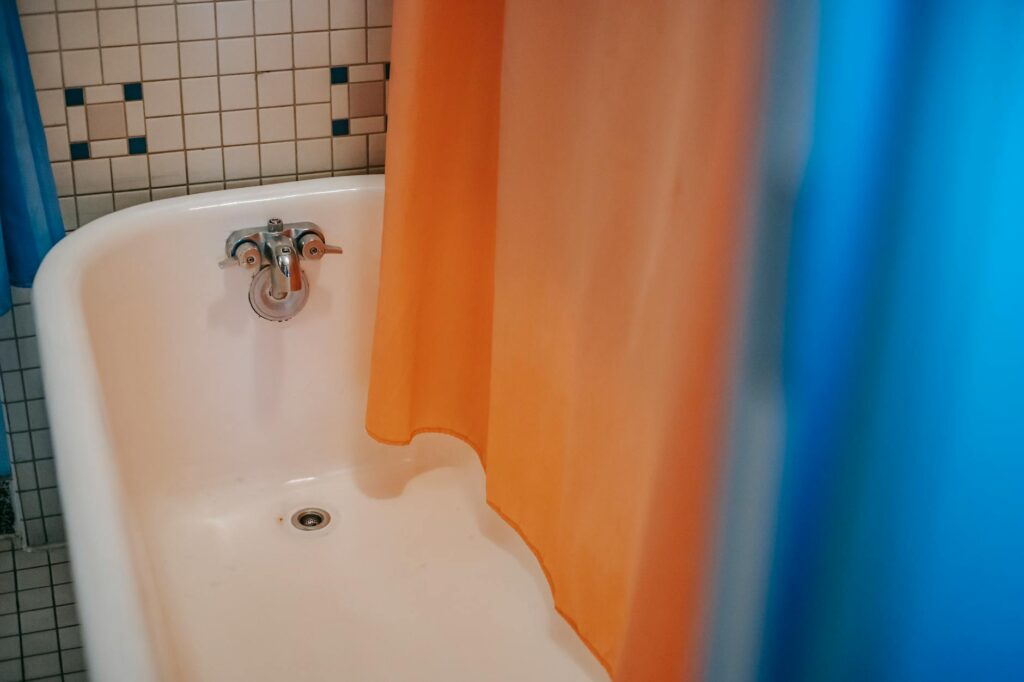
Shower Curtain Mildew Kitchen Guide Part 1
Introduction
Mildew on shower curtains can be a frustrating issue for many homeowners, especially if the curtain is located in a kitchen area. It can lead to unpleasant odors, unsightly stains, and even potential health concerns. This guide will explore the causes of mildew, effective cleaning methods, and prevention tips to help you maintain a fresh and clean kitchen environment.
What Causes Kitchen Mildew?
Mildew thrives in environments that are warm, damp, and poorly ventilated. In kitchens, several factors contribute to the growth of mildew on shower curtains:
1. Humidity: High humidity levels, especially after cooking or washing dishes, create an ideal breeding ground for mildew.
2. Poor Ventilation: Inadequate air circulation allows moisture to linger, promoting mildew growth.
3. Food Particles: Spills and splatters can create a sticky surface on shower curtains, attracting mildew.
4. Infrequent Cleaning: Neglecting regular cleaning can lead to a buildup of mildew and other contaminants.
Why This Problem Happens
Mildew forms when moisture from the air condenses on cooler surfaces, such as a shower curtain adjacent to a sink or cooking area. When combined with organic material like food particles, it creates a perfect environment for mildew to thrive. This problem is exacerbated by:
- Lack of Sunlight: Areas that do not receive direct sunlight are more prone to mildew growth.
- Inconsistent Cleaning Routines: Missing regular maintenance allows mildew spores to take hold.
- Synthetic Materials: Many shower curtains are made from materials that are more susceptible to mold and mildew.
- White vinegar or baking soda
- Spray bottle
- Soft scrub brush or sponge
- Laundry detergent
- Washing machine (if applicable)
- Gloves (optional)
- Fill a spray bottle with equal parts water and white vinegar.
- Spray the affected areas generously.
- Let it sit for 10-15 minutes to penetrate the mildew.
- Sprinkle baking soda directly on the mildew stains.
- Use a damp sponge to scrub the area gently.
How to Fix Kitchen Mildew (Step-by-Step)
Cleaning mildew from a shower curtain is straightforward but requires diligence. Follow these steps for effective removal:
Step 1: Gather Your Supplies
You will need:
Step 2: Remove the Shower Curtain
If possible, take the shower curtain down and lay it flat in an area where you can work comfortably.
Step 3: Pre-treat the Mildew Stains
1. Vinegar Method:
2. Baking Soda Method:
Step 4: Scrub the Curtain
Using a soft scrub brush or sponge, gently scrub the affected areas. Be careful not to damage the fabric. Rinse with warm water.
Step 5: Machine Wash (If Applicable)
If the curtain is machine washable:
1. Add it to the washing machine with laundry detergent.
2. Use the hot water cycle for best results.
3. Consider adding a cup of white vinegar to the rinse cycle to help eliminate odors and mildew.
Step 6: Dry the Curtain
Hang the curtain to dry in a well-ventilated area or outdoors. Ensure it’s completely dry before re-hanging to prevent mildew from returning.
Best Cleaning Methods
There are various methods for cleaning mildew from shower curtains, and some may work better depending on the material:
1. Vinegar Spray: An effective natural solution that kills mildew spores.
2. Baking Soda Paste: Great for stubborn stains; mix with water to form a paste.
3. Bleach Solution: For severe mildew cases, a diluted bleach solution can be used, but it’s essential to test a small area first as it may discolor the fabric.
Common Mistakes to Avoid
1. Using Too Much Water: Excess water can linger in seams and folds, promoting mildew growth.
2. Not Cleaning Regularly: Make cleaning a routine to prevent buildup.
3. Ignoring Ventilation: Ensure the area is well-ventilated during and after cleaning.
4. Overlooking Other Surfaces: Mildew can spread; clean adjacent surfaces like walls and tiles.
Prevention Tips
Preventing mildew is all about maintaining a clean and dry environment:
1. Increase Ventilation: Open windows or use exhaust fans while cooking to reduce humidity.
2. Wipe Down Surfaces: After cooking or washing dishes, wipe down the area to remove moisture.
3. Regular Cleaning: Clean your shower curtain and surrounding areas weekly.
4. Use a Mildew-Resistant Curtain: Consider purchasing a mildew-resistant fabric for better longevity.
Frequently Asked Questions
1. How often should I clean my shower curtain?
It’s recommended to clean your shower curtain every month to prevent mildew buildup.
2. Can I use bleach on all shower curtains?
Not all shower curtains are bleach-safe. Always check the care label before using bleach.
3. What is the best way to dry a shower curtain?
Hang it in a well-ventilated area or outside in the sun to ensure it dries completely.
4. How can I remove mildew from a vinyl curtain?
For vinyl curtains, a mixture of vinegar and water or a mild detergent solution is effective. Avoid harsh chemicals that can damage the material.
5. Is it safe to use a washing machine for cleaning?
Most fabric shower curtains are machine washable, but always check the care instructions on the label.
6. Can I prevent mildew without chemicals?
Yes, using natural solutions like vinegar and baking soda can effectively prevent and remove mildew without harsh chemicals.
By following this guide, you’ll be well-equipped to tackle mildew issues in your kitchen. With consistent cleaning and preventative measures, you can create a fresher, healthier environment in your home. Stay tuned for Part 2, where we’ll delve deeper into advanced cleaning techniques and product recommendations!