
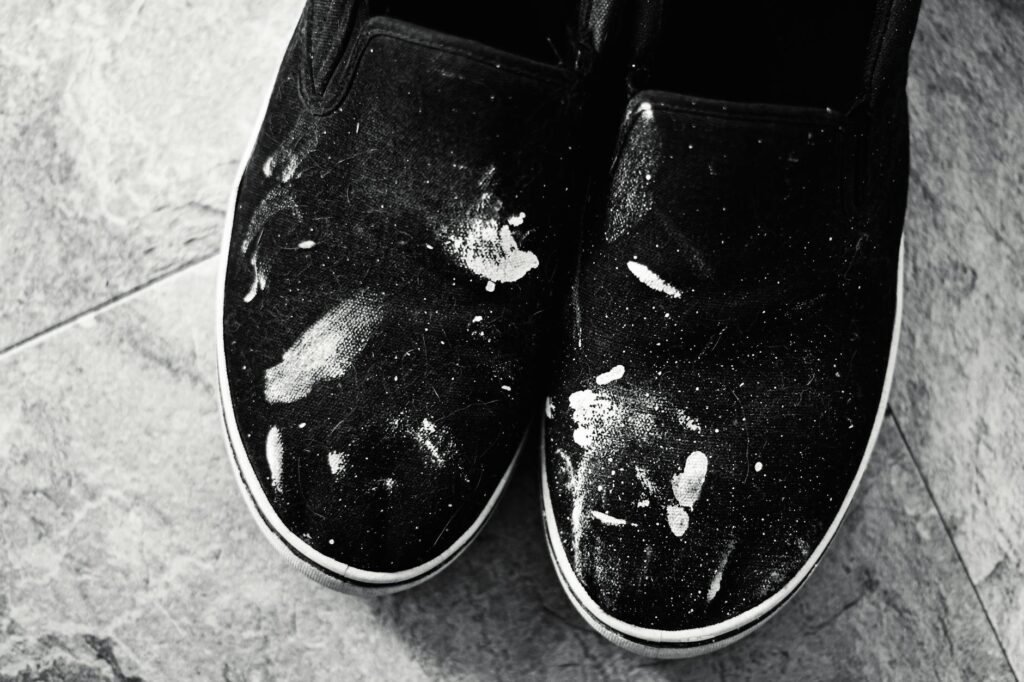
Shoe Mildew Removal Mould & Damp Guide Part 1
Introduction
Mould and dampness in shoes can be a frustrating problem for homeowners. Not only do they lead to unpleasant odors, but they can also damage your footwear. This guide will walk you through the causes of mould and dampness in shoes, how to effectively remove them, and ways to prevent future occurrences.
What Causes Mould & Damp?
Mould thrives in warm, damp environments. When shoes are exposed to moisture—whether from sweat, spills, or humidity—they become prime candidates for mould growth. Additionally, shoes that are stored in dark, poorly ventilated areas are more susceptible.
Key Factors Contributing to Mould Growth:
- Moisture: Excessive humidity or wetness.
- Darkness: Lack of light inhibits the growth of beneficial microorganisms that could otherwise combat mould.
- Organic Material: Dirt, sweat, and food particles can provide a food source for mould.
- Soft-bristle brush
- White vinegar or rubbing alcohol
- Spray bottle
- Cloths or paper towels
- Baking soda (optional)
- Sunlight (if possible)
Why This Problem Happens
Understanding why mould and dampness occur can help you tackle the issue more effectively.
1. Environmental Conditions: Humidity levels above 60% can create an ideal breeding ground for mould.
2. Improper Storage: Storing shoes in closed spaces without airflow can trap moisture.
3. Neglect: Regular cleaning and airing out of shoes are often overlooked, allowing dampness to build up.
How to Fix Mould & Damp (Step-by-Step)
Step 1: Gather Your Supplies
To effectively remove mould, you’ll need:
Step 2: Remove Loose Debris
Before treating the mould, check your shoes for any loose dirt or debris. Use a soft-bristle brush to gently remove this material. This will help your cleaning solution penetrate better.
Step 3: Prepare Your Cleaning Solution
Mix equal parts white vinegar and water or use rubbing alcohol in a spray bottle. Both solutions are effective at killing mould spores.
Step 4: Apply the Solution
Spray the affected areas of the shoe generously with your cleaning solution. Be careful not to soak the shoes; you just want enough moisture to penetrate the mould.
Step 5: Scrub the Mould
Using the soft-bristle brush, gently scrub the mouldy areas. Make sure to get into any crevices or seams where mould may be hiding.
Step 6: Wipe Clean
Use a cloth or paper towel to wipe away the cleaning solution and loosened mould. This will help remove any remaining spores.
Step 7: Dry Thoroughly
Allow your shoes to dry in a well-ventilated area, preferably in direct sunlight. Sunlight not only helps with drying but also has natural mould-killing properties.
Step 8: Optional Baking Soda Treatment
If there are lingering odors, sprinkle baking soda inside the shoes, let it sit overnight, and then shake it out the next day.
Best Cleaning Methods
Vinegar Solution
Vinegar is a natural disinfectant and is effective against mould. Its acidity helps break down the mould structure.
Rubbing Alcohol
Rubbing alcohol is another excellent option, known for its fast evaporation and strong antimicrobial properties.
Baking Soda
Baking soda can absorb moisture and neutralize odors, making it a perfect companion for the mould removal process.
Common Mistakes to Avoid
1. Ignoring the Problem: Delaying action can worsen the mould situation.
2. Using Too Much Water: Soaking shoes can lead to further dampness and worsen mould growth.
3. Improper Drying: Failing to dry shoes properly can result in a recurring mould issue.
4. Neglecting Storage: Storing damp shoes in closed spaces encourages mould.
5. Using Harsh Chemicals: Strong chemicals can damage shoe materials. Stick to vinegar or alcohol.
Prevention Tips
1. Store Shoes Properly: Use breathable shoe bags or boxes with ventilation.
2. Air Them Out: After wearing, let your shoes dry out in a well-ventilated area.
3. Use Moisture Absorbers: Silica gel packets can help absorb excess moisture in your shoe storage area.
4. Regular Cleaning: Clean your shoes regularly to prevent build-up of dirt and moisture.
5. Monitor Humidity: Use a dehumidifier in areas where you store your shoes to keep humidity levels low.
Frequently Asked Questions
1. Can I use bleach to remove mould from shoes?
Using bleach can damage the materials in your shoes and is not recommended. Stick to vinegar or rubbing alcohol for safer alternatives.
2. How can I tell if mould is gone?
After cleaning, ensure that there are no visible signs of mould. Additionally, if the shoe no longer has a musty smell, it is likely free of mould.
3. Is it safe to wear shoes that had mould?
If you’ve thoroughly cleaned and dried the shoes, they should be safe to wear. Always ensure they are completely dry before putting them back on.
4. What should I do if the mould keeps coming back?
If mould returns frequently, consider changing your storage methods or using moisture absorbers to keep humidity levels low.
5. Can mould cause damage to my shoes?
Yes, mould can degrade the material of your shoes over time, particularly if left untreated.
6. Should I throw away mouldy shoes?
If cleaning doesn’t remove the mould or if the shoes are significantly damaged, it may be best to dispose of them. Always prioritize your health and safety.
By following this guide, you can effectively manage mould and dampness in your shoes, ensuring they stay fresh and free from damage. Implement these cleaning methods and prevention tips for long-lasting results.