
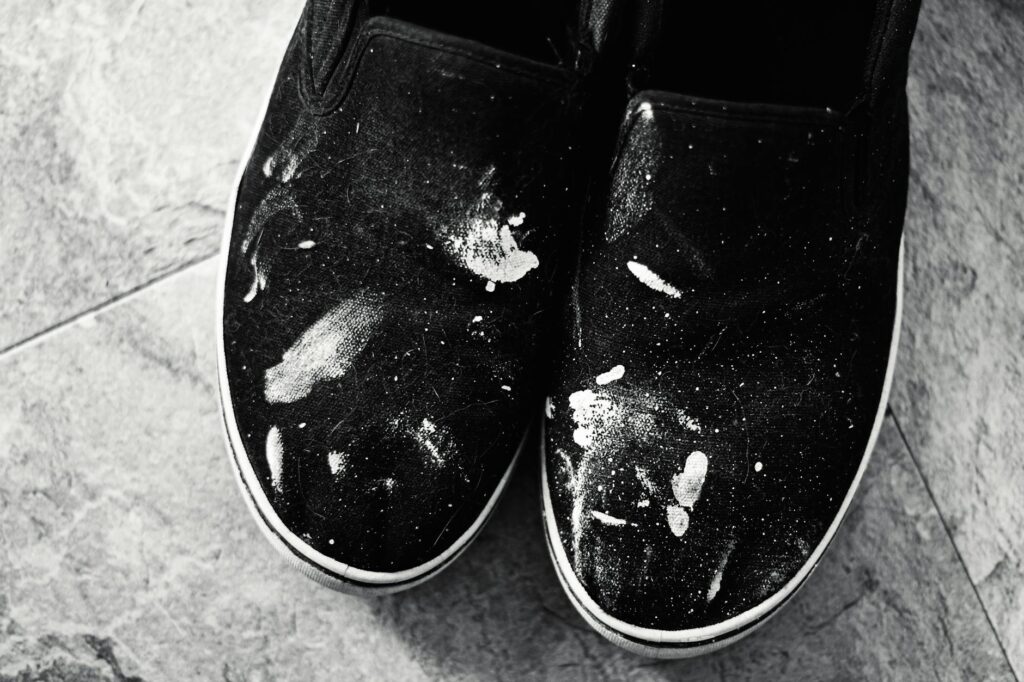
Shoe Mildew Removal Kitchen Guide Part 1
Introduction
Mildew on shoes can be a frustrating problem, especially when it creeps into your kitchen area. Not only is it unsightly, but it can also produce unpleasant odors. In this guide, we will delve into the causes of shoe mildew in the kitchen, why it happens, and provide you with actionable steps to eliminate it. By the end, you will have the knowledge and tools to keep your shoes—and your kitchen—mildew-free.
What Causes Kitchen Mildew on Shoes?
Mildew thrives in warm, damp environments, making the kitchen a potential breeding ground, especially if shoes are stored improperly. Shoes can absorb moisture from cooking, spills, or humidity, creating an ideal habitat for mildew spores.
1. Humidity: High humidity levels in the kitchen can lead to moisture accumulation in shoes.
2. Improper Storage: Storing shoes in closed areas without ventilation can trap moisture.
3. Spills: Food or liquid spills on shoes can contribute to mildew growth if not cleaned promptly.
4. Heat: The warmth from kitchen appliances can exacerbate moisture issues.
Why This Problem Happens
Understanding why mildew develops is crucial for effective prevention. Here are the primary reasons:
- Moisture Accumulation: Shoes often absorb moisture from sweat, spills, or high humidity.
- Lack of Airflow: Storing shoes in enclosed spaces restricts airflow, allowing moisture to linger.
- Organic Material: Shoes made from organic materials (like leather) can retain moisture longer, making them more susceptible.
- Soft brush or cloth
- Mild detergent
- White vinegar
- Baking soda
- Spray bottle
- Rubbing alcohol
- Old toothbrush
- Clean, dry towels
- Pat the shoes dry with a towel.
- Place them in a well-ventilated area to air dry completely. Avoid direct sunlight, as it can warp or damage the shoes.
- Use a mixture of baking soda and water to create a paste. Apply it to mildew spots, let it sit, and scrub gently.
- Use a vinegar solution but avoid soaking the leather. After cleaning, apply a leather conditioner to maintain the material’s integrity.
- Mix equal parts water and rubbing alcohol. Use it to wipe down the shoes, as rubber is more resistant to mildew.
Recognizing these factors will help you take the necessary steps to combat mildew effectively.
How to Fix Kitchen Mildew on Shoes (Step-by-Step)
Removing mildew from shoes in your kitchen requires a systematic approach. Follow these steps:
Step 1: Gather Your Supplies
Before you start, gather the following items:
Step 2: Inspect the Shoes
Check your shoes for visible signs of mildew. Look for dark spots, musty odors, or discoloration. If you find any, proceed with the cleaning steps.
Step 3: Remove Loose Debris
Use a soft brush or cloth to remove any loose dirt or debris from the shoes. This prevents spreading mold spores during cleaning.
Step 4: Clean with Vinegar Solution
Mix equal parts white vinegar and water in a spray bottle. Spray the affected areas, focusing on mildew spots. Vinegar is a natural antifungal and will help kill the spores.
1. Let the solution sit for about 15 minutes.
2. Wipe the area with a clean cloth or an old toothbrush to scrub the mildew gently.
Step 5: Rinse and Dry
After scrubbing, rinse the shoes with clean water using a damp cloth. Ensure no vinegar residue remains, as it can harm shoe materials.
Step 6: Treat Remaining Odors
If odors persist, sprinkle baking soda inside the shoes and let it sit overnight. Baking soda absorbs moisture and odors effectively.
Step 7: Final Inspection
Once the shoes are dry, check for any remaining mildew. If necessary, repeat the cleaning process.
Best Cleaning Methods
When dealing with shoe mildew, different cleaning methods can be more effective depending on the shoe material:
For Canvas Shoes:
For Leather Shoes:
For Rubber Shoes:
Common Mistakes to Avoid
To ensure effective mildew removal, avoid these common pitfalls:
1. Skipping Drying: Not allowing shoes to dry completely can lead to recurring mildew.
2. Using Harsh Chemicals: Avoid bleach or other harsh cleaners, as they can damage shoe materials.
3. Ignoring Ventilation: Failing to store shoes in a well-ventilated area contributes to moisture buildup.
4. Neglecting Regular Maintenance: Regularly check and clean your shoes to prevent mildew from reappearing.
Prevention Tips
Preventing mildew in the kitchen starts with proactive measures:
1. Store Properly: Always store shoes in a cool, dry place with good airflow.
2. Use Moisture Absorbers: Consider silica gel packets or activated charcoal bags in storage areas to absorb excess moisture.
3. Keep the Kitchen Dry: Regularly wipe down surfaces to minimize humidity.
4. Rotate Shoes: Don’t wear the same pair of shoes every day; allow them to air out between uses.
5. Clean Spills Immediately: Address any spills on shoes promptly to prevent moisture buildup.
Frequently Asked Questions
1. How can I tell if my shoes have mildew?
Look for dark spots, discoloration, or a musty odor. These are signs that mildew may be present.
2. Can I use bleach to remove mildew from shoes?
No, bleach can damage shoe materials and is not recommended for cleaning mildew.
3. How often should I check my shoes for mildew?
Inspect your shoes regularly, especially during humid months or if they’ve been stored for a long time.
4. What if the mildew doesn’t come off after cleaning?
If mildew persists, consider using a specialized shoe cleaner designed for mildew removal or consult a professional cleaner.
5. Is it safe to wear shoes with mildew?
Wearing shoes with mildew can pose health risks. It’s best to clean them thoroughly before use.
6. Can I prevent mildew if I have high humidity in my kitchen?
Yes, using dehumidifiers, proper ventilation, and moisture absorbers can help combat high humidity and prevent mildew growth.
By following these guidelines, you will be well-equipped to tackle shoe mildew in your kitchen effectively. Stay proactive, and your shoes—and kitchen—will remain clean and fresh.