
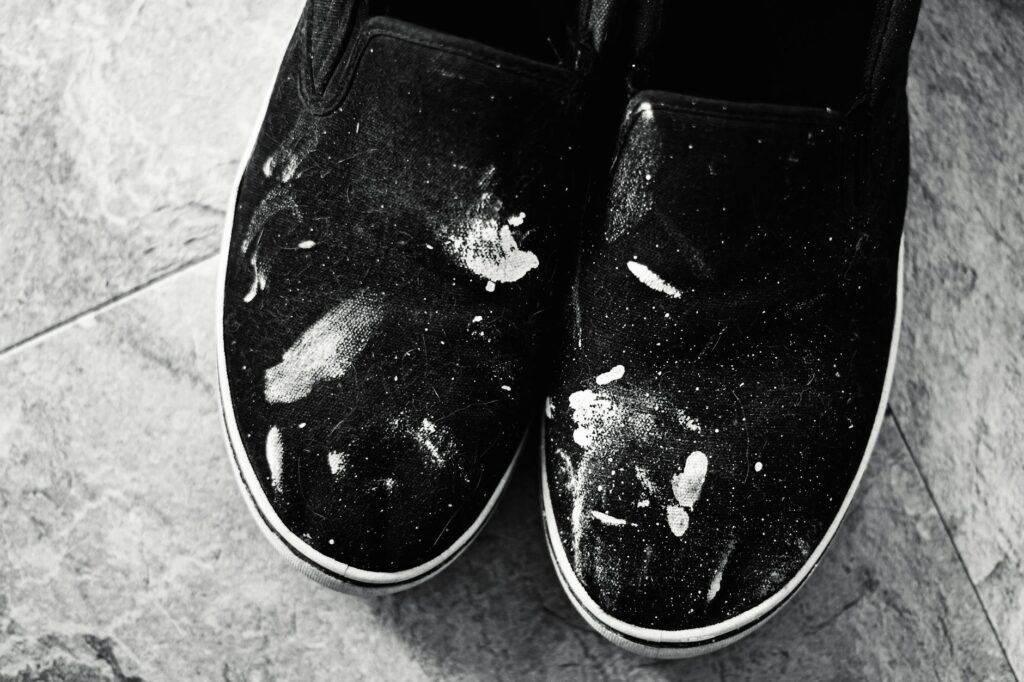
Shoe Mildew Removal Cleaning Guide Part 1
Introduction
Mildew on shoes is not just an eyesore; it can lead to unpleasant odors and potential damage. Whether you’ve stored your footwear in a damp environment or have encountered a rainy day, mildew can thrive. This guide will help you understand why mildew forms, how to effectively remove it, and tips to prevent its recurrence.
What Causes Mildew on Shoes?
Mildew is a type of fungus that thrives in warm, damp environments. It often appears as a powdery or fuzzy growth and can be black, white, or green. The following factors contribute to mildew growth on shoes:
- Moisture: Shoes that are left damp after use are prime candidates for mildew.
- Poor Airflow: Storing shoes in closed containers without ventilation creates a humid environment.
- Organic Material: Shoes made from leather or other natural materials can harbor mildew if not cared for properly.
- Temperature: Warm conditions accelerate mildew growth.
- Soft brush or toothbrush
- White vinegar or rubbing alcohol
- Baking soda
- Clean cloths or paper towels
- Spray bottle
- Water
- A well-ventilated area for drying
- Skipping Drying: Not allowing shoes to dry completely after cleaning can lead to mildew returning.
- Using Too Much Water: Over-saturating shoes can damage materials and contribute to future mildew growth.
- Not Storing Properly: Failing to store shoes in a dry, well-ventilated area invites mildew.
- Ignoring Prevention: Assuming the problem won’t recur without preventive measures can lead to repeated issues.
- Store Shoes in a Dry Place: Use shoe racks or breathable containers that allow airflow.
- Use Moisture Absorbers: Silica gel packs or activated charcoal can help absorb moisture in storage areas.
- Rotate Your Footwear: Regularly wearing different pairs of shoes helps prevent moisture build-up.
- Dry Shoes Properly: Always dry shoes thoroughly after wearing them in wet conditions.
- Regular Maintenance: Clean shoes regularly to prevent dirt buildup that can foster mildew growth.
Why This Problem Happens
Understanding the underlying causes of mildew can help you combat it effectively. When shoes are exposed to moisture, whether from sweat, rain, or improper storage, they create a breeding ground for mildew. If shoes are not dried properly or stored in a non-ventilated space, mildew spores can settle and flourish.
In addition, if you wear shoes in environments where mold is prevalent, such as damp basements or near bodies of water, they can easily pick up spores that lead to mildew growth.
How to Fix Mildew on Shoes (Step-by-Step)
Step 1: Gather Your Supplies
Before you start cleaning, gather the necessary items:
Step 2: Remove Loose Dirt
Begin by removing any loose dirt from the shoes using a soft brush. Focus on areas where mildew is visible. This helps to prevent scratching the surface during cleaning.
Step 3: Prepare Cleaning Solution
Mix equal parts of white vinegar and water in a spray bottle. Alternatively, rubbing alcohol can be used as a solution. Both are effective at killing mildew spores.
Step 4: Apply the Solution
Spray the affected areas of the shoes with your cleaning solution. Ensure that you thoroughly dampen the mildew spots but do not saturate the material.
Step 5: Scrub Gently
Using a soft brush or cloth, gently scrub the affected areas. Be cautious with delicate materials and avoid aggressive scrubbing that could damage your shoes.
Step 6: Rinse and Dry
After scrubbing, wipe the shoes with a clean, damp cloth to remove any remaining cleaning solution. Place the shoes in a well-ventilated area to dry completely, preferably in sunlight, which can help eliminate any lingering spores.
Step 7: Deodorize (Optional)
If there’s still a lingering smell, sprinkle baking soda inside the shoes and leave it overnight. Shake out the excess baking soda the next day.
Best Cleaning Methods
1. Vinegar and Water: A classic and effective method that kills mold and mildew without harsh chemicals.
2. Rubbing Alcohol: Effective for tougher mildew stains and also evaporates quickly, reducing moisture.
3. Commercial Mildew Cleaners: If home remedies don’t work, consider a commercial mildew remover specifically designed for fabrics or shoes.
Common Mistakes to Avoid
Prevention Tips
Frequently Asked Questions
1. Can I use bleach to remove mildew from shoes?
No, bleach can damage materials and is not recommended for shoe cleaning. Stick to vinegar or rubbing alcohol.
2. How often should I clean my shoes to prevent mildew?
It’s advisable to clean shoes every couple of months or whenever they become damp or dirty.
3. What should I do if the mildew persists after cleaning?
If the mildew doesn’t come off after one cleaning session, repeat the process or consider using a commercial mildew remover.
4. Can mildew damage my shoes?
Yes, if left untreated, mildew can degrade materials, leading to permanent damage.
5. Is it safe to wear shoes that had mildew?
It’s best to clean them thoroughly before wearing them again to avoid health issues and unpleasant odors.
6. How can I tell if my shoes have mildew?
Mildew usually appears as a fuzzy, powdery growth that can be discolored. If you notice an unpleasant smell, that’s a sign as well.
By following this comprehensive guide on mildew removal, you can ensure your shoes remain clean, fresh, and free from unwanted fungus. Keep an eye on moisture levels and practice regular maintenance to keep mildew at bay.