
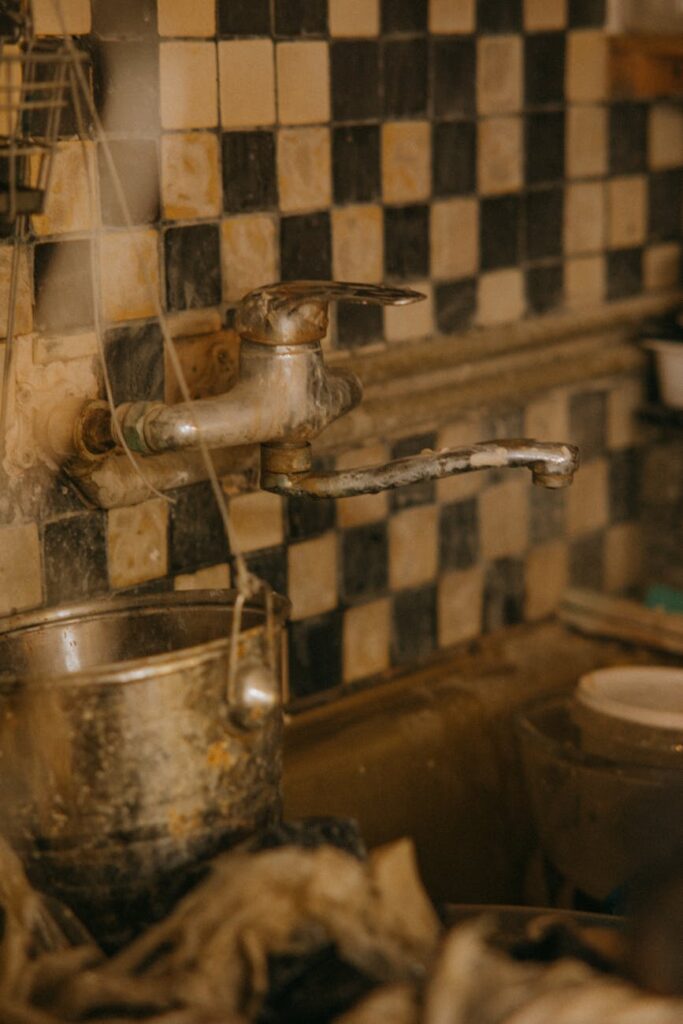
Rusty Shower Faucet Stains Guide Part 1
Introduction
Rusty shower faucet stains can be a frustrating problem for homeowners. Not only do they detract from the bathroom’s appearance, but they can also indicate underlying issues with your plumbing. In this guide, we’ll explore the causes of these stains, how to fix them, and tips to prevent future occurrences.
What Causes Stains?
Rusty stains on your shower faucet typically arise from a combination of factors:
1. Iron in Water: If your water supply contains high levels of iron, it can oxidize and leave rust stains.
2. Metal Fixtures: Faucets made from iron or low-quality metals are more prone to rust.
3. Poor Drainage: Standing water around fixtures can contribute to rust buildup.
4. Age of Fixtures: Older faucets may corrode more easily, leading to rust.
Understanding these causes is crucial for tackling the problem effectively.
Why This Problem Happens
Stains occur when iron in water reacts with oxygen and moisture, leading to rust. This reaction can be accelerated by:
- Hard Water: Minerals in hard water can promote corrosion.
- Humidity: Bathrooms are often humid, which can enhance rust formation.
- Neglected Maintenance: Lack of regular cleaning can allow rust and mineral deposits to accumulate.
- Baking soda
- White vinegar
- Old toothbrush or soft scrub brush
- Microfiber cloth
- Rubber gloves
- Bucket
- Water
Recognizing these factors helps homeowners take targeted action against rust stains.
How to Fix Stains (Step-by-Step)
Materials Needed:
Step 1: Prepare the Area
1. Turn Off Water Supply: Ensure the water supply is turned off to avoid accidental spraying.
2. Clear the Surrounding Area: Remove any items near the faucet to create a clean workspace.
Step 2: Create a Baking Soda Paste
1. Mix Baking Soda and Water: In a bowl, combine 1 part water with 3 parts baking soda to create a thick paste.
2. Apply the Paste: Generously apply the baking soda paste to the rusty areas on the faucet.
Step 3: Let It Sit
1. Wait 10-15 Minutes: Allow the paste to sit. This gives it time to penetrate the rust.
Step 4: Scrub the Stains
1. Use a Brush: With an old toothbrush or soft scrub brush, gently scrub the stained areas.
2. Be Gentle: Avoid using abrasive materials that could scratch the finish of your faucet.
Step 5: Rinse and Dry
1. Rinse with Water: Use a bucket to pour water over the faucet, rinsing away the paste.
2. Dry Thoroughly: Wipe down with a microfiber cloth to prevent any remaining moisture from promoting rust.
Best Cleaning Methods
Vinegar Method
1. Soak a Cloth in Vinegar: Wrap a cloth soaked in white vinegar around the faucet.
2. Let It Sit: Leave the cloth on for 30 minutes.
3. Scrub and Rinse: Remove the cloth, scrub any remaining stains, and rinse with water.
Commercial Rust Removers
1. Choose a Reliable Product: Look for rust removers specifically designed for plumbing fixtures.
2. Follow Instructions: Always adhere to the manufacturer’s guidelines for safe and effective use.
Common Mistakes to Avoid
1. Using Abrasive Cleaners: Harsh scrubbing pads can scratch the faucet’s surface.
2. Not Rinsing Thoroughly: Leftover cleaning products can cause further staining or damage.
3. Ignoring the Source: Failing to address the underlying cause of rust can lead to recurring stains.
4. Overlooking Regular Maintenance: Regular cleaning can prevent buildup and stains from becoming entrenched.
Prevention Tips
1. Install a Water Softener: Reducing mineral content in your water can help minimize rust.
2. Regular Cleaning: Incorporate a cleaning routine to remove minerals and prevent rust buildup.
3. Use a Dehumidifier: Keeping humidity levels in check can reduce rust formation.
4. Inspect Fixtures: Regularly check faucets for signs of wear and replace them if necessary.
Frequently Asked Questions
1. Can I use bleach to remove rust stains?
No, bleach can react with rust and create a more stubborn stain. Stick to vinegar or baking soda.
2. How often should I clean my shower faucet?
Aim to clean your faucet at least once a month to prevent rust accumulation.
3. What if the rust stains persist after cleaning?
If stains remain, you may need to consider a commercial rust remover or consult a plumber for further assistance.
4. Is it safe to use acidic cleaners on my faucet?
Use acidic cleaners with caution and follow the manufacturer’s guidelines. Always test on a small area first.
5. Can rust stains damage my faucet?
Yes, prolonged exposure to rust can corrode fixtures, leading to leaks or replacements.
6. What type of faucet material is best to prevent rust?
Opt for faucets made of stainless steel or high-quality chrome, as they resist rust better than iron or low-grade metals.
Conclusion
Rusty shower faucet stains are a common issue that can be addressed with the right cleaning methods and preventive measures. By understanding the causes and employing effective cleaning techniques, you can restore your faucet’s appearance and prevent future stains. In Part 2 of this guide, we will delve deeper into specific products and advanced cleaning techniques.