
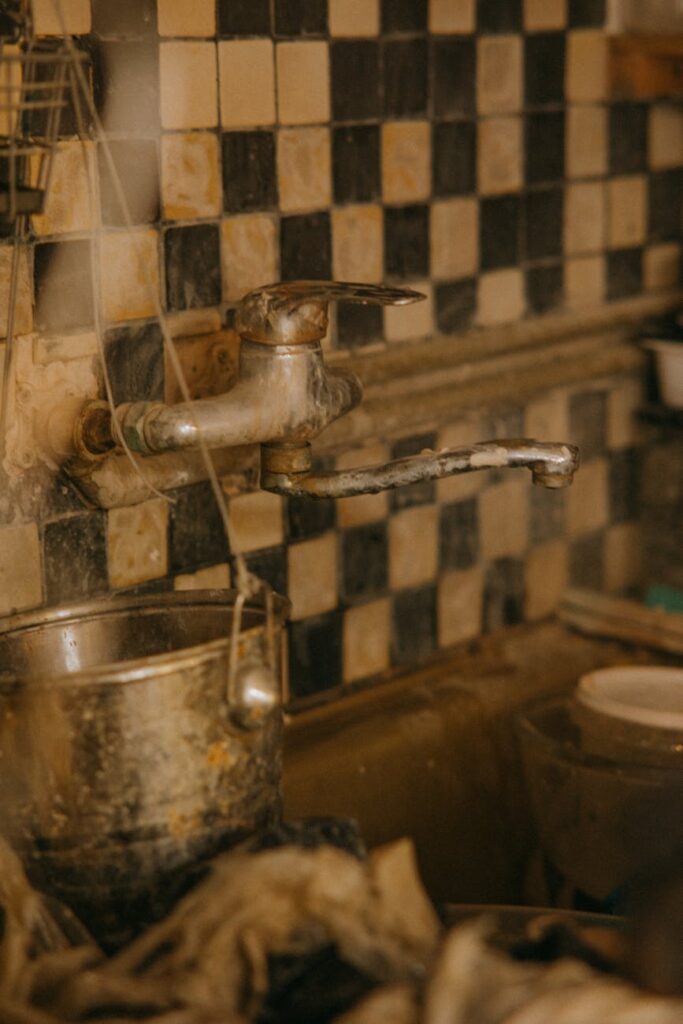
Rusty Shower Faucet Odours Guide Part 1
Introduction
A rusty shower faucet can be more than just an eyesore; it can also produce unpleasant odours that linger in your bathroom. These smells can be a result of various factors, including rust, mineral build-up, and stagnant water. In this guide, we’ll explore the causes of these odours, how to fix them, and tips for prevention. Let’s get started so you can enjoy a fresher shower experience.
What Causes Odours?
Odours from a rusty shower faucet can originate from several sources:
1. Rust: Rust forms when metal components react with water and oxygen over time. This can lead to a musty or metallic smell.
2. Mineral Build-Up: Hard water can leave deposits that trap bacteria and cause unpleasant smells.
3. Stagnant Water: Water that sits in pipes can develop a foul odour, especially if the faucet is rarely used.
4. Mold and Mildew: Areas around a rusty faucet can attract mold growth, contributing to musty smells.
Why This Problem Happens
Understanding why these odours occur is crucial for effective cleaning. Rusty faucets often stem from poor maintenance or age. The metal components degrade over time, especially if they are exposed to moisture consistently. Hard water is another common culprit, as minerals can accumulate and lead to bacterial growth.
Additionally, if you have a shower that isn’t frequently used, stagnant water can contribute to foul smells. This combination of factors can create an unpleasant environment, making it essential to address the issue promptly.
How to Fix Odours (Step-by-Step)
Fixing odours from a rusty shower faucet involves a few straightforward steps:
Step 1: Gather Your Supplies
Before you start, gather the following supplies:
- White vinegar
- Baking soda
- A soft brush or old toothbrush
- Rubber gloves
- A bucket or bowl
- An old rag or cloth
Step 2: Turn Off the Water Supply
Before cleaning, ensure that the water supply to your shower is turned off. This prevents accidental leaks and helps you focus on the cleaning process.
Step 3: Apply Vinegar
Soak a cloth in white vinegar and wrap it around the rusty areas of the faucet. Let it sit for about 30 minutes. Vinegar helps dissolve rust and mineral deposits.
Step 4: Scrub with Baking Soda
After the vinegar treatment, sprinkle baking soda directly on the rusty areas. Use a soft brush or toothbrush to scrub the faucet gently. The combination of vinegar and baking soda creates a mild abrasive that effectively removes rust and grime.
Step 5: Rinse Thoroughly
After scrubbing, rinse the faucet with warm water. Make sure all vinegar and baking soda residues are washed away. This step is crucial to prevent any further build-up.
Step 6: Dry the Faucet
Use an old rag or cloth to dry the faucet completely. This helps prevent new rust from forming and keeps the area clean.
Best Cleaning Methods
Method 1: Vinegar and Baking Soda
This combination is effective for both rust removal and odour control. The acidity of vinegar tackles rust, while baking soda neutralizes smells.
Method 2: Commercial Rust Removers
If the rust is particularly stubborn, consider using a commercial rust remover. Follow the manufacturer’s instructions carefully and wear gloves.
Method 3: Regular Maintenance
Regularly cleaning your faucet with vinegar can prevent rust and odour build-up. A monthly cleaning routine can save you from more extensive cleaning in the future.
Common Mistakes to Avoid
1. Using Abrasive Cleaners: Avoid harsh chemicals or abrasive pads that can scratch and damage your faucet.
2. Neglecting Stagnant Water: Don’t ignore the water in your pipes. Regularly running the tap can prevent stagnant water from causing smells.
3. Not Drying: Always dry the faucet after cleaning. Leaving moisture can lead to new rust and odour problems.
4. Ignoring the Showerhead: Don’t forget to clean the showerhead as well. Mineral build-up can occur here too, contributing to odours.
Prevention Tips
1. Install a Water Softener: If you have hard water, consider installing a water softener to reduce mineral build-up.
2. Regular Cleaning: Clean your faucet and showerhead monthly using vinegar. This will help prevent rust and odour build-up.
3. Use the Shower Frequently: Regular use of your shower helps keep water flowing through the pipes, preventing stagnation.
4. Ventilation: Ensure your bathroom is well-ventilated to reduce moisture and prevent mold growth.
Frequently Asked Questions
1. How often should I clean my rusty shower faucet?
Aim to clean it at least once a month to prevent rust and odours from building up.
2. Can I use bleach to clean my faucet?
Bleach is not recommended as it can corrode metal surfaces and may not effectively remove rust.
3. What if the rust is too severe?
In cases of severe rust, you may need to replace the faucet. Consult a plumber for advice.
4. Can I prevent rust altogether?
While you cannot completely prevent rust, regular cleaning and maintenance can significantly reduce its formation.
5. Is it safe to use vinegar on all metal faucets?
Most metal faucets are safe with vinegar, but check the manufacturer’s guidelines to avoid any damage.
6. What should I do if the odour persists after cleaning?
If odours continue, inspect for hidden mold or issues in your plumbing. It may be time to consult a professional.
By following this guide, you can effectively tackle odours associated with rusty shower faucets, keeping your bathroom fresh and inviting. Stay proactive in your cleaning routine to ensure a pleasant shower experience!