
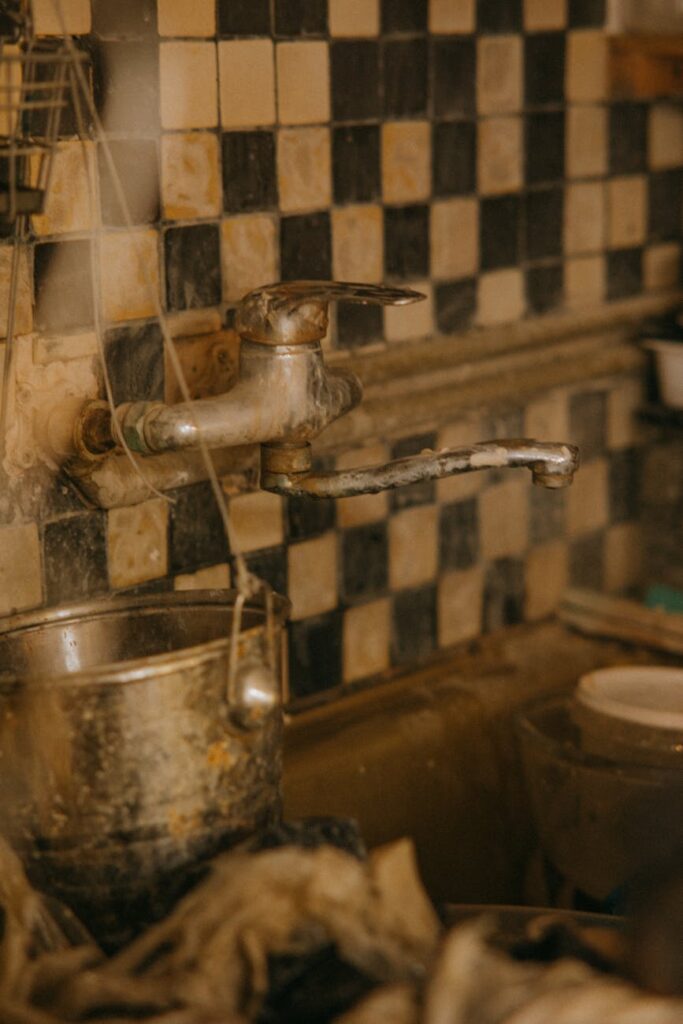
Rusty Shower Faucet Mould & Damp Guide Part 1
Introduction
A rusty shower faucet can be more than just an eyesore. It often invites mould and dampness, creating an unhealthy environment in your bathroom. This guide will walk you through the causes of mould and damp, how to effectively address the issues, and preventive measures you can take to maintain a clean, safe shower area.
What Causes Mould & Damp?
Mould thrives in moist environments, and bathrooms are prime locations for it. The combination of water from showers and baths, poor ventilation, and warmth creates an ideal setting for mould growth. Specifically, rusty shower faucets can exacerbate this problem by providing a rough surface for mould to cling to, while also releasing rust particles into the surrounding areas.
Key Factors:
- Humidity: High humidity levels in bathrooms encourage mould growth.
- Water Leaks: Leaky faucets or pipes can create damp patches.
- Poor Ventilation: Without adequate airflow, moisture remains trapped.
- Rust: Rusty surfaces are porous and can hold moisture, facilitating mould development.
- Rubber gloves
- Safety goggles
- Scrub brush or an old toothbrush
- Sponge or cloth
- Bucket
- White vinegar
- Baking soda
- Hydrogen peroxide
- Commercial mould remover (if necessary)
- Old towel or rag
- Clear the surrounding area of personal items and towels.
- Ensure good ventilation by opening windows or turning on the bathroom fan.
- Wearing gloves and goggles, use a dry scrub brush to remove any loose mould and debris from the faucet and surrounding area.
- For a natural solution, mix equal parts of white vinegar and water in a spray bottle.
- Spray the affected areas generously, ensuring to cover all mouldy spots.
- Let it sit for at least 15 minutes.
- Use a scrub brush or toothbrush to scrub the mouldy areas. Pay special attention to crevices and the faucet head.
- Rinse with warm water.
- For rust, sprinkle baking soda directly onto the stains.
- Add a small amount of water to create a paste and let it sit for 10–15 minutes.
- Scrub with the brush, then rinse thoroughly.
- If mould persists, apply hydrogen peroxide to the affected areas. Leave it for 10 minutes before rinsing.
- Use an old towel or rag to dry the faucet and surrounding areas completely.
Why This Problem Happens
Rust and dampness in a shower faucet occur due to several reasons:
1. Material Degradation: Over time, metal faucets can corrode, leading to rust.
2. Water Composition: Hard water contains minerals that can contribute to rust over time.
3. Infrequent Cleaning: Regular neglect allows dirt, grime, and moisture to build up.
4. Temperature Fluctuations: Extreme temperature changes can lead to condensation, increasing dampness.
Understanding these factors can help you tackle the problem more effectively.
How to Fix Mould & Damp (Step-by-Step)
Addressing mould and damp around a rusty shower faucet requires a systematic approach. Follow these steps to restore your shower area.
Step 1: Gather Your Supplies
Step 2: Prepare the Area
Step 3: Remove Loose Mould
Step 4: Apply Cleaning Solution
Step 5: Scrub the Area
Step 6: Treat Rust Stains
Step 7: Disinfect
Step 8: Dry Everything Thoroughly
Best Cleaning Methods
1. Vinegar and Water: An effective natural solution for killing mould spores.
2. Baking Soda: Works well for rust stains and can absorb moisture.
3. Hydrogen Peroxide: A powerful disinfectant that targets mould.
4. Commercial Products: Use as a last resort if natural solutions fail. Always follow the manufacturer’s instructions.
Common Mistakes to Avoid
1. Using Abrasive Cleaners: Avoid steel wool or harsh chemicals that can scratch the faucet’s surface.
2. Neglecting Ventilation: Failing to ventilate properly during and after cleaning can lead to moisture retention.
3. Ignoring Maintenance: Regular cleaning is essential; don’t wait for mould to appear.
4. Skipping Drying: Always dry the area to prevent future dampness.
Prevention Tips
1. Improve Ventilation: Install an exhaust fan or leave windows open to reduce humidity.
2. Regular Cleaning: Clean your shower area at least once a week, focusing on the faucet and tiles.
3. Seal Leaks Promptly: Keep an eye on any leaks and repair them immediately to avoid dampness.
4. Use a Squeegee: After each shower, use a squeegee on walls and faucets to remove excess water.
5. Keep the Bathroom Dry: Consider using a dehumidifier in particularly damp areas.
Frequently Asked Questions
1. How often should I clean my shower faucet?
Aim to clean your shower faucet at least once a week to prevent mould and rust buildup.
2. Can I use bleach to remove mould?
While bleach can kill mould, it may not be effective against all types and can damage certain surfaces. Opt for vinegar or hydrogen peroxide for a safer alternative.
3. What should I do if the rust is severe?
For severe rust, consider replacing the faucet or consult a plumber for professional help.
4. Is it safe to use chemical mould removers?
Yes, but always follow the instructions carefully and ensure proper ventilation when using them.
5. How can I tell if mould is returning?
Look for discolouration, a musty smell, or a damp feeling in the bathroom. Regular checks can help catch mould early.
6. Does hard water contribute to rust?
Yes, minerals in hard water can lead to corrosion, which in turn causes rust.
With this comprehensive guide, you can effectively tackle mould and damp issues associated with rusty shower faucets. Regular maintenance and cleaning will not only improve the appearance of your bathroom but also promote a healthier environment. Stay tuned for Part 2, where we’ll delve deeper into advanced cleaning techniques and solutions.