
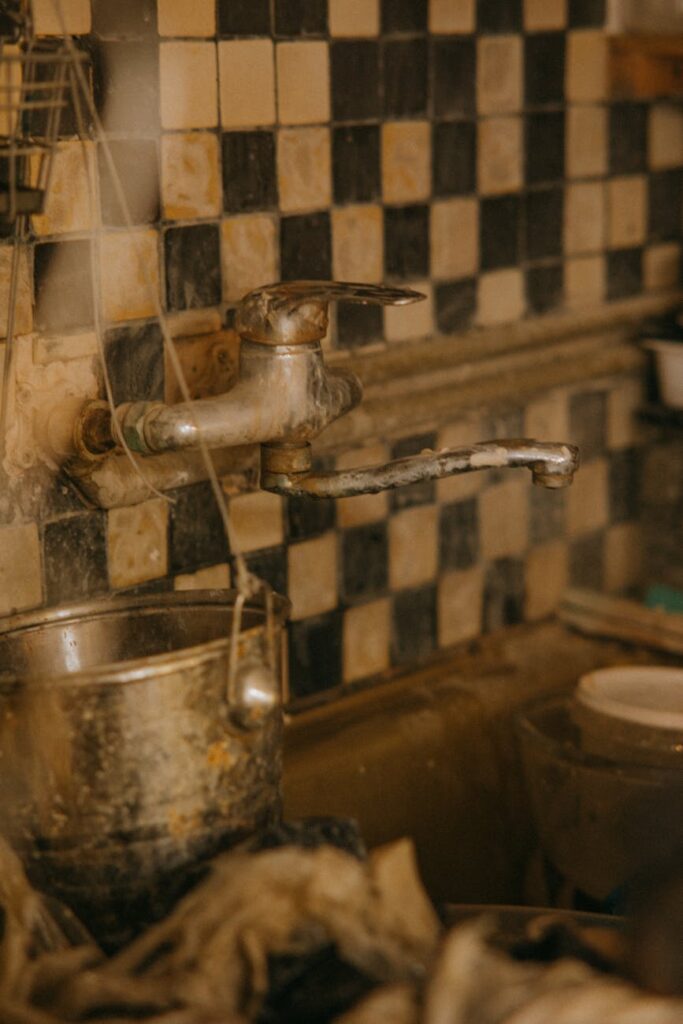
Rusty Shower Faucet Kitchen Guide Part 1
Introduction
Rusty shower faucets can be a frustrating issue, especially in a kitchen where cleanliness and functionality are paramount. While it’s more common to see rust in bathrooms, kitchens can also fall victim to rusting fixtures, particularly if water stains and mineral buildup are left unattended. This guide will help you understand the causes of rust, how to fix it, and how to prevent it from returning.
What Causes Kitchen Rust?
Rust forms when metal is exposed to moisture and oxygen over time. In kitchens, this can happen due to:
- High Humidity: Kitchens often have high moisture levels, especially when cooking or cleaning.
- Water Quality: Hard water contains minerals that can lead to corrosion and rusting.
- Lack of Maintenance: Neglecting to clean faucets regularly can allow rust to develop.
- Age of Fixtures: Older fixtures with worn-out protective coatings are more susceptible to rust.
- Vinegar or lemon juice
- Baking soda
- Steel wool or a scrub brush
- Soft cloth or sponge
- Protective gloves
- Rust remover (if necessary)
- Sealer (for long-term protection)
- Vinegar or Lemon Juice: Soak a cloth in vinegar or lemon juice and wrap it around the rusty areas. Let it sit for at least 30 minutes. The acidity will help break down rust.
- After soaking, use steel wool or a scrub brush to gently scrub the rusted areas. Be careful not to scratch the finish of the faucet.
- Rinse the faucet thoroughly with water to remove any residue. Dry it completely with a soft cloth to prevent further rust formation.
- If rust persists, apply a rust remover according to the manufacturer’s instructions. Follow up with a thorough rinse and dry.
- Once the faucet is clean and dry, consider applying a sealant to protect it from future rust. Follow the instructions on the sealant for best results.
Why This Problem Happens
Rust doesn’t appear overnight; it’s the result of various factors that deteriorate the faucet’s surface. Here are some reasons why your kitchen faucet may be rusty:
1. Moisture Accumulation: Water splashes and spills can accumulate, creating a conducive environment for rust.
2. Chemical Reactions: Water mixed with minerals and chemicals can accelerate rust formation.
3. Neglected Seals: Worn-out seals or gaskets can lead to leaks, providing moisture that encourages rust.
4. Poor Installation: Improper installation can result in gaps or cracks where moisture can penetrate.
How to Fix Kitchen Rust (Step-by-Step)
Fixing a rusty shower faucet requires a systematic approach. Here’s a step-by-step guide:
Step 1: Gather Your Materials
Before you start, gather the necessary tools and materials:
Step 2: Turn Off the Water Supply
Before you begin cleaning, ensure that the water supply to the faucet is turned off to avoid any accidents.
Step 3: Apply an Acidic Solution
Step 4: Scrub the Rust
Step 5: Rinse and Dry
Step 6: Apply Rust Remover (If Necessary)
Step 7: Seal the Faucet
Best Cleaning Methods
There are several effective methods for cleaning rust from kitchen faucets:
1. Vinegar and Baking Soda: Create a paste with vinegar and baking soda for stubborn rust. Apply it, let it sit, and scrub.
2. Commercial Rust Removers: These products are formulated to tackle tough rust but should be used carefully as they can be harsh.
3. Citrus-Based Cleaners: These are effective due to their natural acidity and pleasant scent.
4. Coca-Cola: Surprisingly, the phosphoric acid in Coca-Cola can help remove rust. Soak a cloth in Coke and apply it to the rusted area.
Common Mistakes to Avoid
When tackling rust on your kitchen faucet, avoid these common pitfalls:
1. Using Abrasive Materials: Steel wool can scratch certain finishes. Always test a small area first.
2. Ignoring the Source of Moisture: Failing to address leaky faucets or high humidity can lead to recurring rust problems.
3. Not Rinsing Thoroughly: Residue from cleaning agents can cause further damage if not rinsed off completely.
4. Lack of Regular Maintenance: Cleaning once isn’t enough. Regular maintenance is essential to prevent rust buildup.
Prevention Tips
Preventing rust is easier than dealing with it once it appears. Here are some effective strategies:
1. Regular Cleaning: Clean your faucet regularly to remove any buildup of minerals and moisture.
2. Drying After Use: Wipe down the faucet after each use to eliminate standing water.
3. Install a Water Softener: If hard water is an issue, consider installing a water softener to reduce mineral content.
4. Check for Leaks: Regularly inspect your faucet for leaks and repair them promptly to minimize moisture exposure.
5. Use Protective Coatings: Applying a protective sealant can create a barrier against moisture and rust.
Frequently Asked Questions
1. How often should I clean my kitchen faucet to prevent rust?
It’s advisable to clean your kitchen faucet at least once a week to prevent rust and mineral buildup.
2. Can I use bleach to clean rust off my faucet?
Bleach is not recommended for rust removal as it can damage the finish and may not effectively remove rust.
3. What should I do if rust keeps coming back?
If rust reappears frequently, inspect for leaks or moisture problems, and consider using a sealant for added protection.
4. Can I prevent rust with just regular cleaning?
While regular cleaning helps, preventative measures like drying the faucet after use and applying protective coatings are essential for long-term protection.
5. Are there any natural alternatives to commercial rust removers?
Yes, vinegar, lemon juice, and baking soda are all effective natural alternatives for rust removal.
6. Should I replace my faucet if it’s too rusty?
If the rust is extensive and affecting the functionality of the faucet, it may be more cost-effective to replace it rather than attempting to repair it.
By following this guide, you can effectively tackle the problem of rust on your kitchen faucet, ensuring it remains functional and aesthetically pleasing. Keep an eye on moisture levels and practice regular maintenance to prevent future issues.