
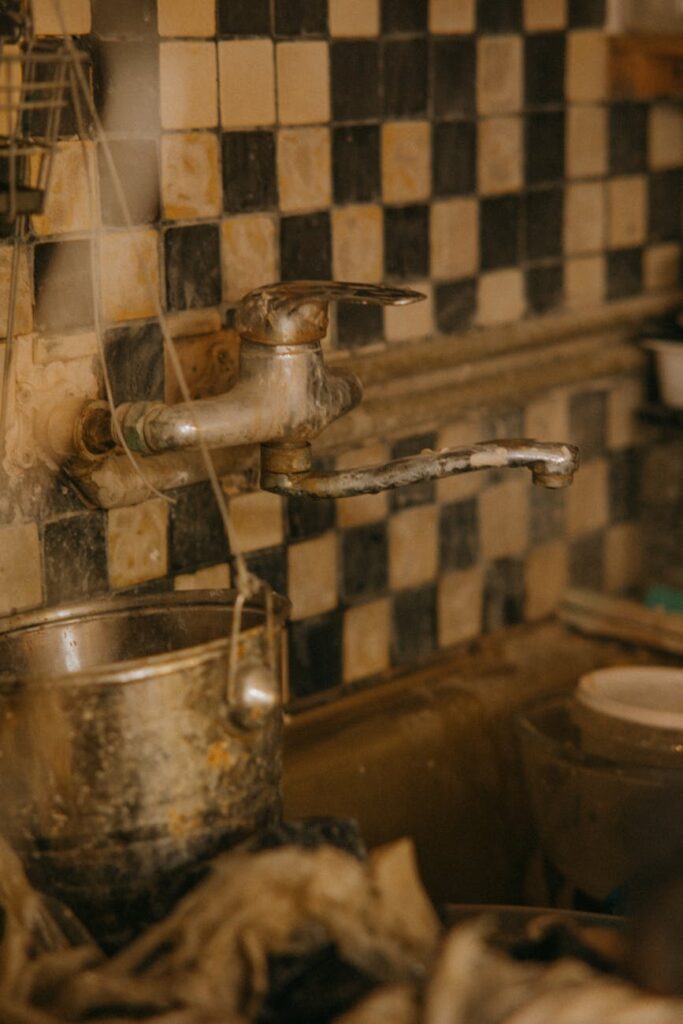
Rusty Shower Faucet Cleaning Guide Part 1
Introduction
A rusty shower faucet is not only an eyesore but also a sign that your plumbing might need some attention. Over time, mineral deposits, rust, and grime can accumulate, leading to a faucet that looks worn and uninviting. This guide will provide you with practical solutions to clean and restore your rusty shower faucet, making it shine once again.
What Causes Rust on a Shower Faucet?
Rust on shower faucets typically occurs due to prolonged exposure to moisture and minerals in the water. Here are the primary causes:
1. Water Quality: Hard water contains high levels of minerals such as iron, which can lead to rust formation.
2. Age of Faucet: Older faucets may have worn-out coatings that expose the metal underneath, leading to rust.
3. Lack of Maintenance: Regular cleaning prevents buildup of minerals and grime that can lead to rust.
4. Poor Ventilation: Bathrooms that lack proper airflow can trap moisture, making rust more likely.
Why This Problem Happens
Rust forms when iron or steel is exposed to moisture and oxygen over time. In showers, these elements are abundant, especially in areas with hard water. If your faucet is not coated with protective finishes or if that finish has worn away, rust can develop quickly. Additionally, neglecting routine cleaning can allow mineral deposits to build up, further accelerating the rusting process.
How to Fix Rusty Shower Faucet (Step-by-Step)
Step 1: Gather Your Supplies
Before you get started, gather the following items:
- White vinegar
- Baking soda
- Plastic scrub pad
- Old toothbrush
- Microfiber cloth
- Rubber gloves
- Bucket
- Water
Step 2: Turn Off the Water Supply
Before you start cleaning, turn off the water supply to prevent any accidental leaks.
Step 3: Apply Vinegar
1. Soak a Cloth: Soak a cloth or paper towel in white vinegar.
2. Wrap It Around the Faucet: Wrap the cloth around the rusty areas of the faucet.
3. Let It Sit: Allow the vinegar to sit for at least 30 minutes. The acidity will help break down the rust.
Step 4: Scrub with Baking Soda
1. Make a Paste: Mix baking soda with a small amount of water to create a paste.
2. Apply the Paste: After removing the vinegar-soaked cloth, apply the baking soda paste directly to the rusty spots.
3. Scrub Gently: Use a plastic scrub pad or an old toothbrush to gently scrub the rusted areas. Be careful not to scratch the surface.
Step 5: Rinse Thoroughly
After scrubbing, rinse the faucet with warm water to remove any residue from the vinegar and baking soda.
Step 6: Dry the Faucet
Use a microfiber cloth to dry the faucet completely. This will help prevent future rust formation.
Best Cleaning Methods
1. White Vinegar: Effective for dissolving mineral deposits and rust due to its acidity.
2. Baking Soda: A gentle abrasive that cleans without scratching surfaces.
3. Lemon Juice: Another natural acid that can help dissolve rust and mineral buildup.
4. Commercial Rust Removers: If natural methods don’t work, consider using a commercial rust remover. Always follow the manufacturer’s instructions carefully.
Common Mistakes to Avoid
1. Using Abrasive Cleaners: Avoid using steel wool or harsh chemical cleaners that can scratch and damage the faucet’s finish.
2. Neglecting Regular Maintenance: Regular cleaning prevents rust buildup. Don’t wait until it becomes a significant issue.
3. Ignoring Other Plumbing Issues: Rusty faucets can signal more serious plumbing problems. Don’t ignore leaks or persistent rust.
4. Using Hot Water for Rinsing: Hot water can sometimes cause minerals to adhere more firmly. Use warm water instead.
Prevention Tips
1. Regular Cleaning: Clean your faucet at least once a month using vinegar and baking soda to prevent rust buildup.
2. Install a Water Softener: If you have hard water, consider installing a water softener to reduce mineral content.
3. Ensure Proper Ventilation: Use exhaust fans or open windows to reduce moisture in the bathroom.
4. Dry the Faucet After Use: Wipe the faucet dry after each shower to minimize moisture exposure.
5. Check for Leaks: Regularly inspect your plumbing for leaks that can contribute to rust.
Frequently Asked Questions
1. How often should I clean my shower faucet?
Aim to clean your shower faucet at least once a month to prevent rust and buildup.
2. Can I use bleach to clean rust?
Bleach is not recommended for rust removal as it can damage the faucet’s finish and worsen the problem.
3. What if the rust won’t come off?
If rust persists after cleaning, consider using a specialized rust remover or consult a plumber for professional help.
4. Is it safe to use vinegar on all types of faucets?
Vinegar is safe for most faucets, but always check the manufacturer’s guidelines first, especially for brass or gold finishes.
5. How can I tell if my faucet has a protective coating?
If the faucet appears shiny and smooth, it likely has a protective coating. If it looks dull or has a rough texture, the finish may be worn.
6. Can rust affect water quality?
Rust itself can affect the appearance of your water but generally does not pose health risks. However, persistent rust issues may indicate underlying plumbing problems.
By following this guide, you can effectively address rust on your shower faucet, restoring its appearance and functionality. Stay tuned for Part 2, where we will explore advanced techniques and professional solutions for stubborn rust issues.