
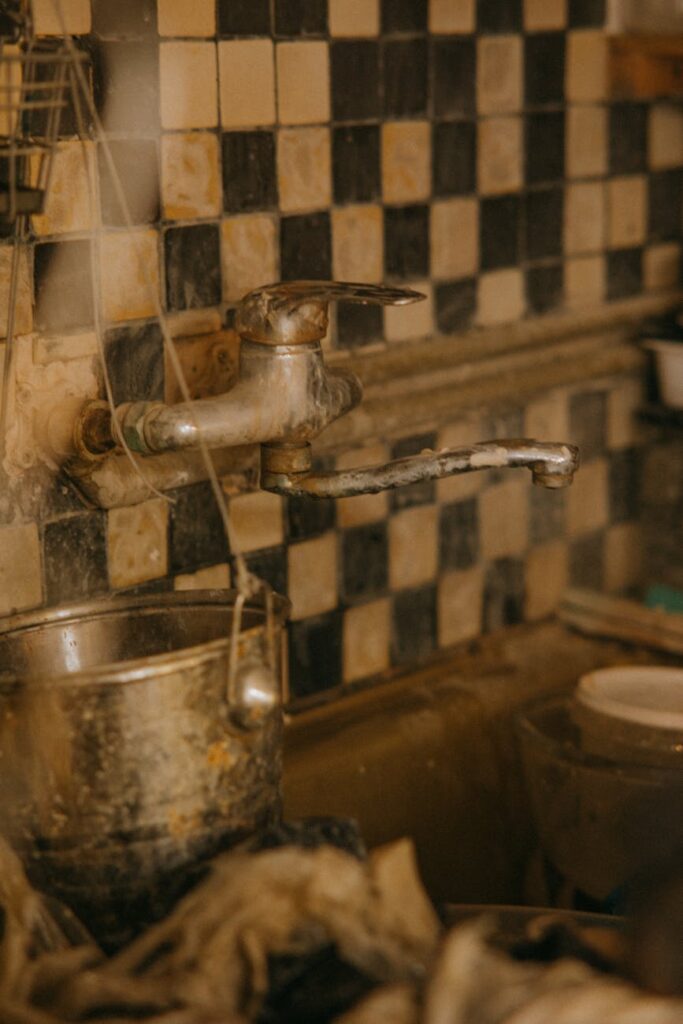
Rusty Shower Faucet Bathroom Guide Part 1
Introduction
Rusty shower faucets can be an eyesore and a source of frustration in any bathroom. Not only do they affect the appearance of your space, but they can also indicate deeper plumbing issues. In this guide, we’ll explore the causes of rust, why it happens, and how to effectively clean and maintain your shower faucet. By the end, you’ll have actionable steps to restore your faucet to its former glory.
What Causes Bathroom Rust?
Rust is primarily caused by moisture and metal exposure. Shower faucets, often made of iron or steel, can corrode when they come into contact with water over time. Other factors that contribute to rust include:
- Hard Water: Water with high mineral content can lead to mineral buildup and oxidation.
- Poor Ventilation: Humidity can accelerate rusting, especially in poorly ventilated bathrooms.
- Old Fixtures: Aging faucets may have protective coatings that wear off, exposing the metal beneath.
- Water Exposure: Continuous exposure to water makes metal fixtures prone to rust.
- Lack of Maintenance: Neglecting regular cleaning allows rust to form and spread.
- Environmental Factors: Bathrooms that are rarely used or poorly ventilated can trap moisture, increasing the risk of rust.
- White vinegar or lemon juice
- Baking soda
- A small bowl
- A scrub brush or old toothbrush
- Soft cloths or paper towels
- Rubber gloves
- Protective eyewear (if using harsh chemicals)
- Rust remover (optional for severe rust)
- Vinegar and Baking Soda: A classic combination that effectively removes light to moderate rust.
- Coca-Cola: The acidity in Coca-Cola can help dissolve rust. Soak a cloth in it and apply.
- Commercial Products: For severe rust, products like CLR or rust dissolvers can be effective. Always follow safety guidelines.
Why This Problem Happens
Understanding why rust develops is essential for effective cleaning and prevention. The main factors include:
How to Fix Bathroom Rust (Step-by-Step)
Step 1: Gather Your Supplies
Before you start, gather the following materials:
Step 2: Prepare the Area
1. Turn Off Water Supply: Ensure the water supply to the faucet is turned off to avoid any accidental splashes.
2. Clear the Area: Remove any toiletries or items near the faucet to create a clean workspace.
Step 3: Apply the Cleaning Solution
1. Vinegar Method: Soak a cloth in white vinegar or lemon juice and wrap it around the rusty area. Let it sit for at least 30 minutes.
2. Baking Soda Paste: In a bowl, mix baking soda with water to create a paste. Apply it directly to the rusted spots.
Step 4: Scrub the Rust
After the soaking period, use your scrub brush or old toothbrush to scrub the rusted areas gently. For stubborn rust, apply more vinegar or lemon juice and let it sit for an additional 10 minutes before scrubbing again.
Step 5: Rinse and Dry
Once the rust has been removed, rinse the faucet thoroughly with water. Dry it off completely with a soft cloth to prevent further moisture buildup.
Step 6: Evaluate and Apply Rust Remover (if needed)
If rust persists, consider using a commercial rust remover. Follow the manufacturer’s instructions carefully, and ensure you wear protective gear.
Best Cleaning Methods
Experiment with these effective methods depending on the severity of the rust:
Common Mistakes to Avoid
1. Using Abrasive Cleaners: Avoid steel wool or harsh scrubbing pads, as they can scratch the faucet’s surface.
2. Ignoring Ventilation: Always ensure your bathroom is well-ventilated to reduce moisture buildup.
3. Neglecting Regular Maintenance: Regular cleaning can prevent rust from forming in the first place.
Prevention Tips
1. Dry the Faucet Regularly: After every shower, use a soft cloth to dry the faucet.
2. Install a Water Softener: If hard water is an issue, consider installing a water softener to minimize mineral buildup.
3. Use a Dehumidifier: In humid climates, a dehumidifier can help control moisture levels in the bathroom.
4. Check for Leaks: Regularly inspect your faucet for leaks and address any issues immediately.
Frequently Asked Questions
1. How often should I clean my shower faucet?
Aim to clean your shower faucet at least once a month to prevent rust and buildup.
2. Can I use bleach to remove rust?
Bleach is not effective for rust removal and can damage the finish of your faucet. Stick to vinegar or baking soda instead.
3. What if the rust is deep-set?
If rust is deeply embedded, you may need to sand it down gently or use a commercial rust remover for best results.
4. Is it possible to prevent rust completely?
While it may not be possible to eliminate rust entirely, regular cleaning and maintenance can significantly reduce its occurrence.
5. Can I replace the faucet myself?
Yes, replacing a faucet is a DIY task many homeowners can handle. Just ensure you turn off the water supply and follow the manufacturer’s instructions.
6. What materials are best for rust-resistant faucets?
Look for faucets made of stainless steel, brass, or chrome, as these materials offer better resistance to rust compared to iron or untreated steel.
By following the practical guidelines in this article, you can effectively tackle rust on your shower faucet, ensuring a clean and attractive bathroom. With regular maintenance, you can keep your fixtures looking their best and prevent rust from becoming a recurring issue.