
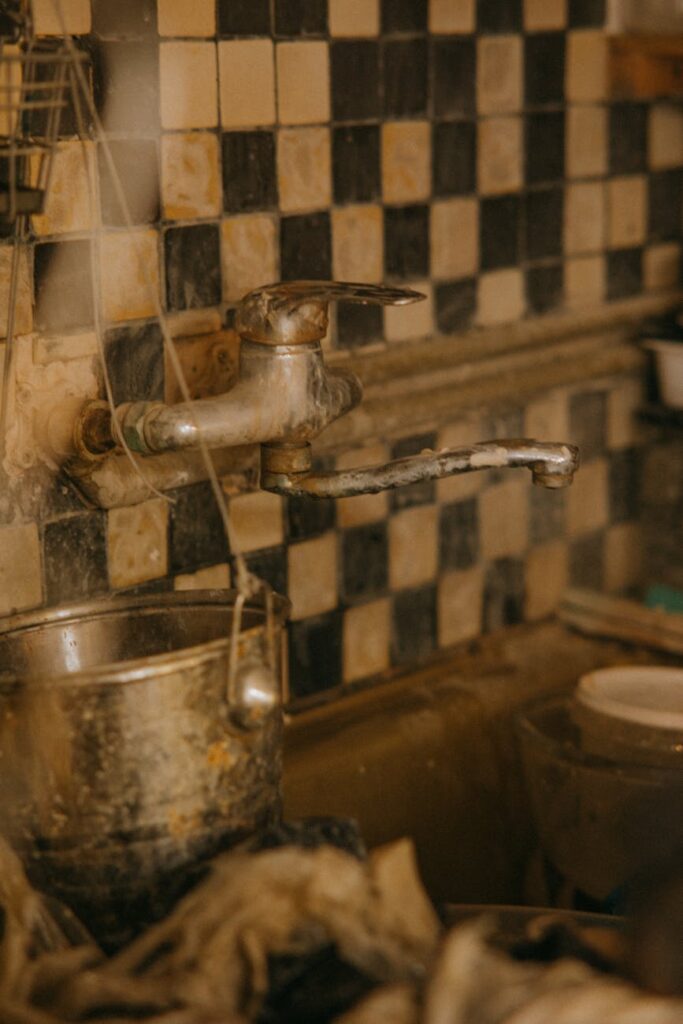
Rusty Shower Faucet Appliances Guide Part 1
Introduction
A rusty shower faucet can ruin your bathroom’s aesthetics and lead to water quality issues. This guide will help you understand what causes rust, how to effectively clean it, and how to prevent future rusting. Let’s dive into the details to keep your shower faucet in top shape.
What Causes Rust?
Rust is a result of a chemical reaction known as oxidation, which occurs when iron and moisture come into contact. Shower faucets, especially those made of iron or steel, are particularly susceptible to rust due to:
- High Humidity: Bathrooms are often damp environments, making it easier for rust to form.
- Water Quality: Hard water contains minerals that can accelerate corrosion.
- Lack of Maintenance: Neglecting regular cleaning can lead to a buildup of rust and grime.
- Old Faucets: Older fixtures may be more prone to rust due to wear and tear.
- Age: Older faucets lose their protective finishes over time.
- Water Exposure: Continuous exposure to water without proper drying can promote rust.
- Chemical Reactions: Household cleaners containing harsh chemicals can strip protective finishes.
- Poor Ventilation: Insufficient airflow can keep moisture trapped, accelerating rust formation.
- White vinegar or lemon juice
- Baking soda
- A soft cloth or sponge
- A toothbrush (for scrubbing)
- Rust remover (optional)
- Protective gloves
- A spray bottle
- Commercial Rust Removers: These products contain chemicals designed to dissolve rust quickly. Always follow safety instructions.
- Baking Soda Paste: Mix baking soda with water to form a paste. Apply it to the rust spots, let it sit, then scrub.
- Coca-Cola: The acidity in Coca-Cola can help remove rust. Soak a cloth in it and apply it to the affected area.
- Using Abrasive Tools: Steel wool or harsh scrubbers can scratch the faucet, causing more damage.
- Ignoring Water Quality: If your water has high mineral content, neglecting it can lead to more rust.
- Skipping Regular Maintenance: Regular cleaning prevents rust buildup and prolongs the life of your faucet.
- Using Harsh Chemicals: Avoid products that can strip protective finishes and lead to more rust.
- Choose Quality Fixtures: Invest in stainless steel or high-quality chrome faucets that resist rust.
- Dry After Use: Use a towel to dry the faucet after each shower to reduce moisture.
- Install a Water Softener: This can help reduce mineral buildup in hard water areas.
- Maintain Ventilation: Use an exhaust fan to decrease humidity in the bathroom.
- Regular Cleaning: Set a schedule for cleaning your faucet to prevent rust buildup.
Why This Problem Happens
Rust develops when the protective coating on your faucet wears away. Factors contributing to this breakdown include:
How to Fix Rusty Shower Faucets (Step-by-Step)
Fixing a rusty shower faucet involves cleaning and restoring its surface. Follow these steps:
Step 1: Gather Your Supplies
You will need:
Step 2: Prepare the Area
1. Turn Off Water Supply: Ensure the water is off to prevent any accidents.
2. Clear the Shower Area: Remove any items from the area to have a clear workspace.
Step 3: Apply Vinegar or Lemon Juice
1. Soak a Cloth: Dampen a cloth with white vinegar or lemon juice.
2. Wrap the Faucet: Place the cloth around the rusty areas and let it sit for 30 minutes. The acidity will help break down rust.
Step 4: Scrub the Rust
1. Add Baking Soda: Sprinkle baking soda on the rusty areas. This will create a mild abrasive for scrubbing.
2. Scrub Gently: Use a soft cloth or toothbrush to scrub the rust. Be careful not to scratch the faucet surface.
Step 5: Rinse and Dry
1. Rinse the Faucet: Use warm water to rinse off the vinegar and baking soda mixture.
2. Dry Thoroughly: Wipe the faucet dry with a clean cloth to remove moisture.
Step 6: Apply Rust Remover (If Needed)
If rust persists:
1. Apply Rust Remover: Follow the manufacturer’s instructions on the rust remover.
2. Repeat Scrubbing: Scrub the area as directed and rinse well.
Step 7: Inspect and Restore
After cleaning, check for any remaining rust. If the faucet is damaged, consider replacing it for optimal performance.
Best Cleaning Methods
In addition to the vinegar and baking soda method, consider these effective cleaning options:
Common Mistakes to Avoid
Avoid these pitfalls to ensure effective rust removal:
Prevention Tips
Preventing rust is easier than dealing with it after it appears. Here are some tips:
Frequently Asked Questions
1. How often should I clean my shower faucet?
Aim to clean your shower faucet at least once a month to prevent rust and mineral buildup.
2. Can I prevent rust with a protective coating?
Yes, applying a clear coat specifically designed for metal surfaces can help protect against rust.
3. What if my faucet is heavily rusted?
If the rust is severe and cleaning doesn’t help, consider replacing the faucet.
4. Are there any natural rust removers?
Yes, vinegar, lemon juice, and baking soda are effective natural rust removers.
5. Is it safe to use bleach on my faucet?
Avoid using bleach, as it can damage the faucet’s finish and lead to corrosion.
6. Can hard water cause rust?
Yes, hard water can contribute to rust formation due to mineral deposits that accelerate corrosion.
Conclusion
A rusty shower faucet doesn’t have to be a permanent problem. By understanding the causes and following the cleaning steps outlined in this guide, you can restore your faucet to its original condition. Regular maintenance and preventive measures will keep your faucet looking great and functioning well for years to come.