
Pet Urine Odor Kitchen Guide Part 1
Introduction
Dealing with pet urine odors in your kitchen can be frustrating. This area is often a hub of family activity, and any lingering smells can be off-putting. Fortunately, with the right approach, you can effectively eliminate these odors and maintain a fresh environment. In this guide, we’ll cover the causes of pet urine odors, why they persist, and provide a step-by-step cleaning method to help you regain control of your kitchen.
What Causes Kitchen Odor?
Pet urine odors are primarily caused by the urine itself, which contains various compounds, including urea, uric acid, and ammonia. When pets urinate indoors, especially on porous surfaces, these compounds can seep into floors, walls, and furniture, leading to persistent smells.
Key Causes:
- Accidents: Pets may have accidents due to anxiety, excitement, or lack of training.
- Inadequate Cleaning: Conventional cleaning methods may not fully eliminate urine residues.
- Porous Surfaces: Urine can penetrate porous materials like wood, grout, or fabric, making odors hard to eradicate.
- Chemical Composition: Urine breaks down over time, producing stronger odors.
- Moisture: Humidity in the kitchen can exacerbate odors, allowing bacteria to thrive.
- Inconsistent Cleaning: Failing to address small accidents promptly can lead to more significant issues.
- Smell Test: Walk around your kitchen and identify any areas with a noticeable odor.
- Visual Inspection: Look for discoloration or stains on floors, walls, or furniture.
- White vinegar
- Baking soda
- Hydrogen peroxide (3%)
- Dish soap
- Spray bottles
- Cloths or paper towels
- A scrubbing brush
- A vacuum cleaner (if dealing with carpets)
- Mix equal parts of white vinegar and water in a spray bottle.
- Add a few drops of dish soap.
- Hydrogen Peroxide Solution: Mix 1 part hydrogen peroxide with 2 parts water and apply it to the area. Test this on a small, inconspicuous area first, as it can discolor some surfaces.
- Use an Enzymatic Cleaner: These are specifically designed to break down urine compounds and can be effective for tough odors.
- Why Use Them?: They contain enzymes that break down urine components, effectively neutralizing odors.
- How to Use: Follow the manufacturer’s instructions for application.
- For Carpets and Upholstery: If your kitchen has carpet, a steam cleaner can help remove both stains and odors. Ensure the area dries completely afterward to prevent mildew.
Why This Problem Happens
Understanding why pet urine odors linger can help you tackle the problem more effectively.
Contributing Factors:
How to Fix Kitchen (Step-by-Step)
Follow these actionable steps to effectively eliminate pet urine odors from your kitchen.
Step 1: Identify the Problem Areas
Step 2: Gather Your Supplies
You’ll need:
Step 3: Clean the Affected Area
1. Blot Up Urine: If the urine is fresh, use paper towels to blot up as much liquid as possible. Avoid rubbing; instead, press down to absorb.
2. Prepare a Cleaning Solution:
3. Apply the Solution: Spray the affected area liberally with the vinegar solution. Let it sit for about 5-10 minutes.
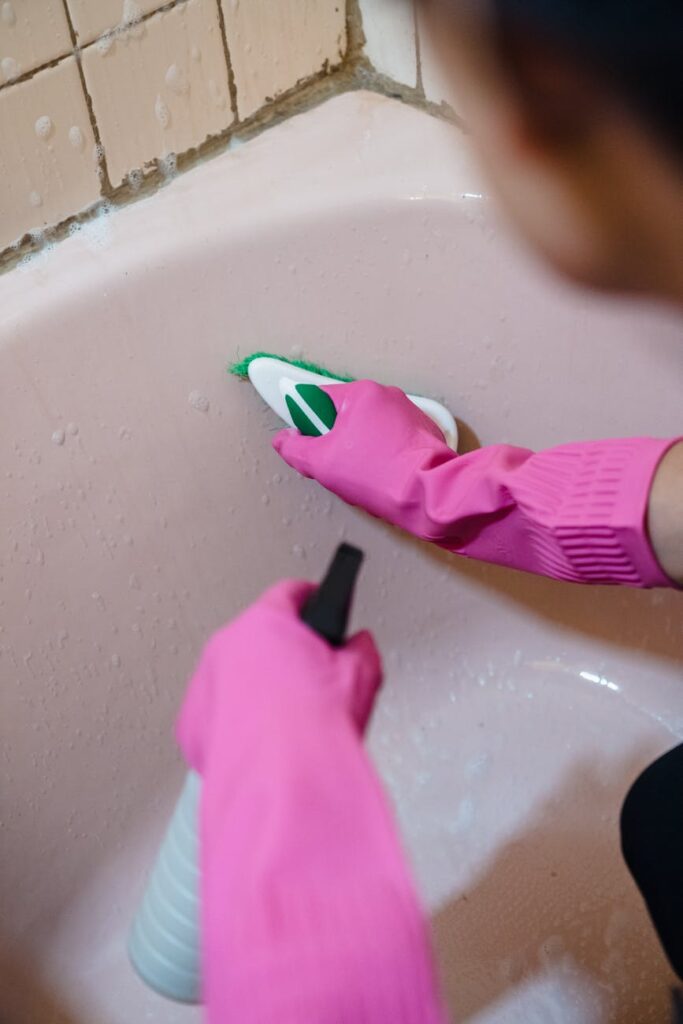
4. Scrub: Use a scrubbing brush to work the solution into the surface.
5. Rinse: Wipe the area with a clean, damp cloth to remove any residue.
6. Sprinkle Baking Soda: While the area is still damp, sprinkle baking soda over it. This will help neutralize odors.
7. Let it Sit: Allow the baking soda to sit for several hours or overnight for best results.
8. Vacuum: Once the baking soda has dried, vacuum it up.
Step 4: Deep Clean (if needed)
For persistent odors or if the problem is severe:
Best Cleaning Methods
While the vinegar and baking soda method is effective for most cases, here are some additional methods:
Enzymatic Cleaners
Steam Cleaning
Common Mistakes to Avoid
Avoid these pitfalls to ensure you effectively eliminate pet urine odors:
1. Not Blotting First: Failing to soak up excess urine can make odors worse.
2. Using Ammonia-Based Cleaners: They can actually worsen the smell, as they resemble the scent of urine.
3. Ignoring Porous Surfaces: If you have wooden floors or grout, ensure you treat these areas as urine can seep in.
4. Delaying Cleaning: The sooner you act, the better your chances of eliminating odors.
Prevention Tips
Taking proactive measures can help you prevent future incidents:
1. Regular Training: Reinforce potty training with your pets.
2. Frequent Bathroom Breaks: If you’re home, take your pet outside regularly.
3. Use Pet Pads: Consider using absorbent pads in areas where your pet spends a lot of time.
4. Create a Designated Area: If your pet consistently has accidents in the kitchen, create a designated space for them with easy-to-clean surfaces.
Frequently Asked Questions
1. How can I tell if the odor is gone?
Use your nose! If the area smells fresh and you can’t detect any lingering odors, it’s a good sign.
2. Can I use bleach to clean pet urine?
Bleach is not recommended as it can create harmful fumes and doesn’t effectively eliminate the odor.
3. How often should I clean areas where my pet urinates?
Regularly clean these areas, especially after any accidents. Aim for at least once a week if your pet has frequent accidents.
4. Are there any home remedies for pet urine odors?
Yes, vinegar and baking soda are effective home remedies for neutralizing odors.
5. Can fabric or upholstery be cleaned?
Yes, upholstery can be cleaned using the same vinegar solution; however, ensure it’s safe for the fabric type.
6. What if the smell persists after cleaning?
If the odor persists, consider using an enzymatic cleaner or consulting a professional cleaning service.
By following these steps and tips, you can effectively tackle pet urine odors in your kitchen, ensuring it remains a clean and welcoming space for your family and guests. Stay tuned for Part 2, where we’ll explore more advanced methods and solutions!