
Pet Hair Removal Mould & Damp Guide Part 1
Introduction
Mould and dampness are common issues in homes, especially for those with pets. The presence of pet hair can trap moisture, leading to an ideal breeding ground for mould. This guide will help you understand the causes of mould and dampness, how to fix these issues, and effective ways to prevent them from returning.
What Causes Mould & Damp?
Mould and damp often arise from a combination of factors:
1. Moisture: Excess humidity in the air is the primary trigger. Sources include leaks, condensation, and pet accidents.
2. Poor Ventilation: Spaces with inadequate airflow, such as bathrooms and basements, are more susceptible to damp.
3. Temperature Variations: Cold surfaces can attract moisture, especially in poorly insulated areas.
4. Pet Hair and Dander: Accumulated hair can retain moisture, contributing to mould growth.
Understanding these causes is essential for effective remediation.
Why This Problem Happens
When pet hair accumulates, it can absorb moisture from the air and any spills. This creates a conducive environment for mould, especially in areas where humidity levels are high. Furthermore, if pet owners do not regularly clean their living spaces, the combination of hair, dander, and moisture can lead to significant mould growth.
How to Fix Mould & Damp (Step-by-Step)
Step 1: Identify the Affected Areas
Start by inspecting your home for visible signs of mould or dampness. Common areas include:
- Behind furniture
- Under carpets
- Inside cupboards
- Around windows and doors
- Rubber gloves
- Face mask
- Spray bottle
- White vinegar or a mould removal solution
- Scrub brush or sponge
- Cloths or paper towels
- Dehumidifier (optional)
- Fix Leaks: Repair any plumbing or roofing leaks.
- Improve Ventilation: Open windows, use exhaust fans, or install vents in high-humidity areas.
- Use a Dehumidifier: If humidity levels are high, consider using a dehumidifier to maintain optimal moisture levels.
Step 2: Gather Your Cleaning Supplies
You’ll need:
Step 3: Remove Pet Hair
Before tackling mould, remove pet hair from affected areas:
1. Vacuum: Use a vacuum cleaner with a pet hair attachment to pick up hair from carpets, furniture, and corners.
2. Lint Rollers: For small areas, lint rollers can effectively gather hair from surfaces.
3. Damp Cloth: Wipe down surfaces with a damp cloth to catch any remaining hair.
Step 4: Clean the Mould
Once you’ve cleared the hair, follow these cleaning steps:
1. Create a Cleaning Solution: Mix equal parts of white vinegar and water in a spray bottle. Alternatively, use a commercial mould removal product.
2. Apply the Solution: Spray the affected areas generously.
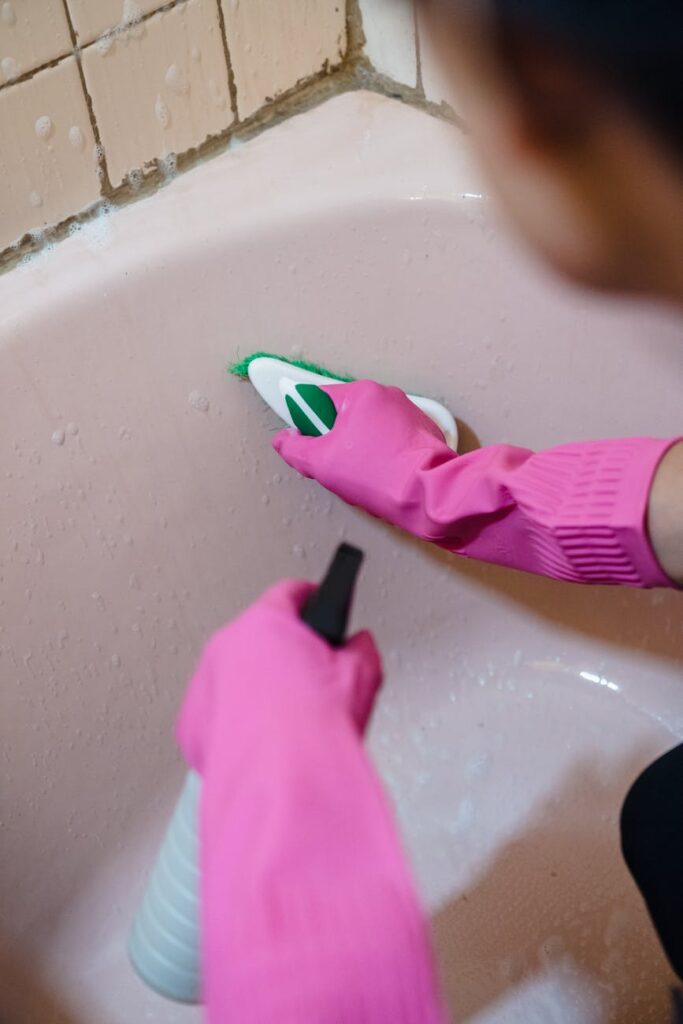
3. Scrub: Use a scrub brush or sponge to remove the mould. Apply more solution as necessary.
4. Wipe Down: After scrubbing, wipe the area with a clean cloth or paper towel to remove any residue.
5. Dry the Area: Ensure the area is thoroughly dry to prevent future mould growth.
Step 5: Address Underlying Causes
After cleaning, take steps to address the root causes:
Best Cleaning Methods
Effective cleaning methods for mould and damp include:
1. Vinegar: A natural disinfectant that effectively kills mould spores.
2. Baking Soda: Combines with vinegar to create a powerful cleaning solution.
3. Hydrogen Peroxide: A strong disinfectant for tougher mould stains.
4. Commercial Mould Removers: For severe infestations, consider a professional-grade product.
Common Mistakes to Avoid
1. Ignoring the Source of Moisture: Cleaning up mould without addressing the underlying moisture problem will lead to recurrence.
2. Using Bleach: While effective on non-porous surfaces, bleach doesn’t prevent mould regrowth on porous materials.
3. Incomplete Removal: It’s essential to ensure all mould is removed; any lingering spores can lead to future problems.
4. Neglecting Pet Hair: Failing to remove pet hair before cleaning can hinder the effectiveness of mould removal efforts.
Prevention Tips
To keep mould and damp at bay:
1. Regular Cleaning: Vacuum pet hair and clean surfaces weekly.
2. Improve Airflow: Keep doors open and windows cracked to promote air circulation.
3. Control Humidity: Keep indoor humidity levels below 60% using dehumidifiers or air conditioning.
4. Seal Windows and Doors: Ensure they are sealed to prevent moisture entry.
5. Use Mould-Resistant Products: Consider mould-resistant paint or additives for high-moisture areas.
Frequently Asked Questions (FAQs)
1. How can I tell if I have a mould problem?
Signs include visible mould growth, musty smells, or water stains on walls and ceilings.
2. Can I use bleach to clean mould?
While bleach can remove surface mould, it doesn’t kill mould roots and may not be effective on porous materials.
3. How do I prevent mould after cleaning?
Maintain low humidity levels, ensure proper ventilation, and regularly clean pet hair and surfaces.
4. Is mould harmful to pets?
Yes, mould can affect the health of pets, causing respiratory issues and allergies.
5. How often should I check for mould?
Regularly inspect areas prone to dampness—at least once every three months.
6. Can I remove mould myself?
Yes, for small areas, DIY cleaning is effective. For extensive mould problems, consider hiring a professional.
By following this guide, you can effectively tackle mould and damp issues in your home, ensuring a healthier living environment for both you and your pets. Stay tuned for Part 2, where we’ll delve deeper into advanced cleaning techniques and maintenance tips.