
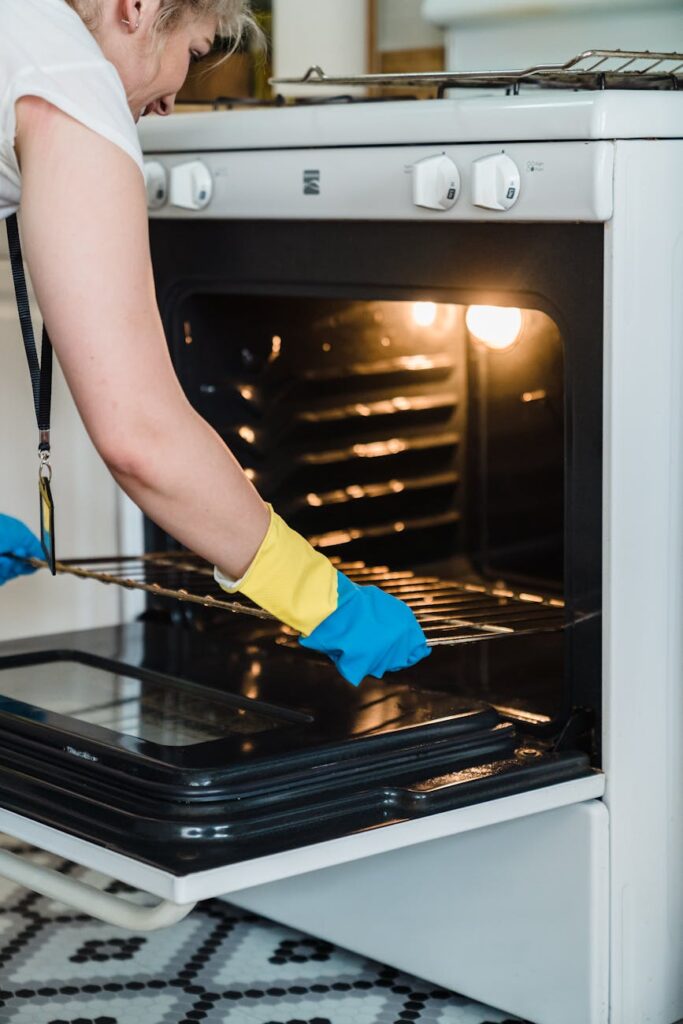
Oven Smoke Odor Odours Guide Part 1
Introduction
Oven smoke odors can be one of the most persistent and unpleasant smells in a home. Whether it’s from a recent cooking mishap or the residue of past meals, these odors can linger long after the oven has cooled down. This guide will help you understand the causes of these odors, why they happen, and provide you with actionable steps to eliminate them effectively.
What Causes Odours?
Oven smoke odors typically arise from a few key sources:
1. Burnt Food Residue: Crumbs and spills left inside the oven can burn and emit unpleasant smells.
2. Grease Buildup: Grease can accumulate over time, especially if the oven is not cleaned regularly.
3. Old Food Particles: Food that has baked onto surfaces can contribute to persistent odors.
4. Heating Elements: Sometimes, the heating elements themselves can create smoke if they are covered in grease or food particles.
Understanding the root cause is essential for effectively eliminating the odor.
Why This Problem Happens
Several factors contribute to the development of oven smoke odors:
- Infrequent Cleaning: Regular maintenance prevents the buildup of food particles and grease.
- Improper Cooking Techniques: Cooking at high temperatures without supervision can lead to burnt food and subsequent odors.
- Old Appliances: Older ovens may have more crevices for grease to accumulate, making them harder to clean.
- Ventilation Issues: Poor airflow can trap odors inside the oven and your kitchen.
- Bottom of the Oven: This is often where spills accumulate.
- Oven Racks: Food particles can get stuck on the racks.
- Heating Elements: Ensure they are clean and free from any buildup.
- Baking Soda Paste: Mix 1 cup of baking soda with enough water to form a thick paste.
Recognizing these factors will empower you to tackle the problem head-on.
How to Fix Odours (Step-by-Step)
Step 1: Identify the Source
First, check your oven for any obvious signs of residue or burnt food. Open the oven door and inspect the interior. Pay attention to:
Step 2: Prepare Your Cleaning Solution
You can use a variety of cleaning agents, but here’s a simple homemade solution:
Alternatively, you can use a commercial oven cleaner. Follow the instructions on the label carefully.
Step 3: Apply the Cleaner
1. Unplug the Oven: For safety, always disconnect your oven before cleaning.
2. Spread the Paste: Apply the baking soda paste generously to the interior surfaces of the oven, avoiding the heating elements.
3. Let it Sit: Allow the paste to sit for at least 12 hours or overnight for maximum effect.
Step 4: Wipe Down
1. Scrub Gently: Use a non-abrasive sponge or cloth to scrub the surfaces. Focus on any stubborn areas.
2. Rinse: Wipe down with a damp cloth to remove any baking soda residue.
3. Dry Thoroughly: Ensure the oven is completely dry before reconnecting it.
Step 5: Deodorize the Oven
Place a bowl of vinegar inside the oven and heat it to 200°F (93°C) for 30 minutes. This will help neutralize any remaining odors.
Best Cleaning Methods
1. Baking Soda and Vinegar: This combination is highly effective for breaking down grease and odors.
2. Commercial Oven Cleaners: These can be effective but may contain harsh chemicals. Always follow the manufacturer’s instructions.
3. Steam Cleaning: If your oven has a steam cleaning feature, use it to loosen grime and odors.
4. Lemon Water: Boil water with lemon slices in the oven to create a fresh scent and help cut through grease.
Common Mistakes to Avoid
1. Using Abrasive Cleaners: Avoid steel wool or harsh scouring pads that can scratch surfaces.
2. Neglecting Regular Maintenance: Schedule regular cleanings to prevent buildup.
3. Ignoring Ventilation: Always ensure your kitchen is well-ventilated during and after cooking.
4. Skipping the Racks: Remember to clean oven racks, as they can harbor odors too.
Prevention Tips
1. Cover Food: Use oven-safe covers when baking to minimize spills.
2. Use Baking Sheets: Place a baking sheet on a lower rack to catch drips.
3. Clean Spills Promptly: Wipe up any spills immediately after cooking to prevent them from burning in.
4. Regular Cleaning Schedule: Create a cleaning routine to keep your oven odor-free.
Frequently Asked Questions
1. How often should I clean my oven to prevent odors?
Aim for a deep cleaning every 3-6 months, and wipe up spills immediately after cooking.
2. Can I use vinegar alone to eliminate oven smells?
Yes, vinegar is a natural deodorizer and can be effective when heated in the oven.
3. Is it safe to use commercial oven cleaners?
Yes, as long as you follow the manufacturer’s instructions and ensure proper ventilation.
4. What should I do if the odor persists after cleaning?
Try placing an open box of baking soda inside the oven to absorb lingering smells.
5. Are there any natural alternatives to commercial cleaners?
Yes, baking soda, vinegar, and lemon juice are excellent natural options.
6. What if my oven has a self-cleaning feature?
If your oven has a self-cleaning feature, use it as directed. However, ensure you ventilate your kitchen well, as it may produce smoke.
By following the steps in this guide, you can effectively eliminate oven smoke odors and keep your kitchen smelling fresh. Regular maintenance, proper cooking techniques, and smart cleaning strategies will go a long way in ensuring your oven remains a pleasant part of your home.