
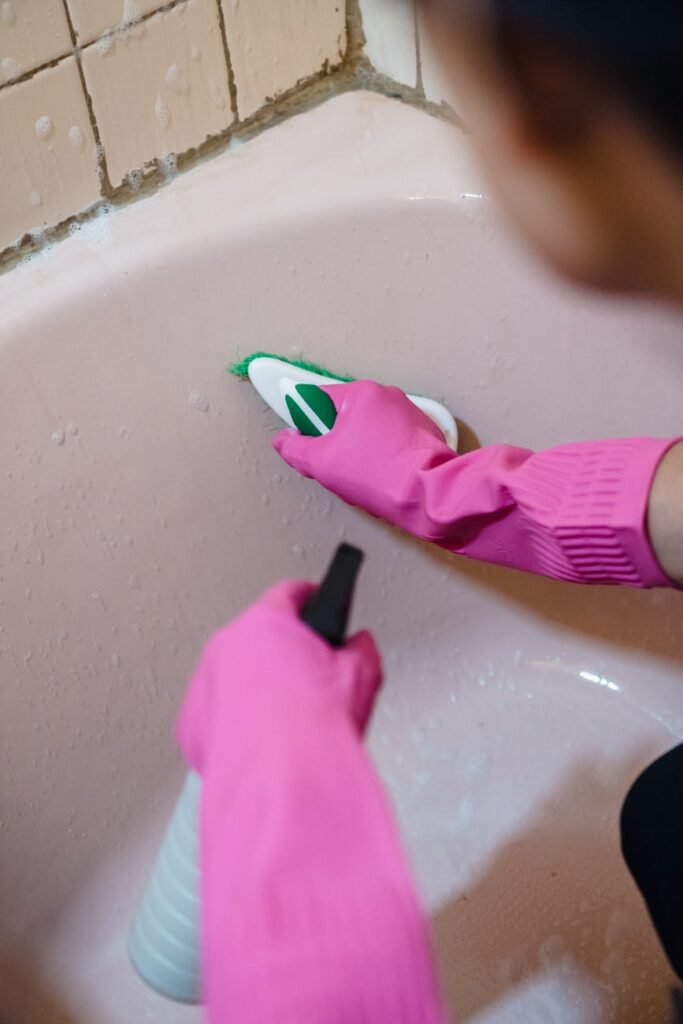
Oven Smell Removal Kitchen Guide Part 1
Introduction
An unpleasant smell from your oven can quickly fill your kitchen and linger, making cooking less enjoyable. Whether it’s burnt food, grease buildup, or something else, addressing these odors is essential for a fresh cooking environment. This guide will help you understand the causes of oven odors and provide practical solutions to eliminate them.
What Causes Kitchen Odors?
There are several reasons why your oven might emit unpleasant smells:
1. Burnt Food Residue: Leftover food particles can burn during cooking, creating a foul odor.
2. Grease Buildup: Over time, grease can accumulate and produce unpleasant smells when heated.
3. Old Food Spills: Spills that go unnoticed can lead to odors when the oven is in use.
4. Electrical Issues: Occasionally, electrical components can emit a burnt smell if malfunctioning.
5. Improper Ventilation: Poor airflow can trap odors inside the oven.
Why This Problem Happens
Understanding why your oven smells is crucial for effective removal. Here are some common reasons:
- Neglect: Regular cleaning is essential to prevent residue buildup.
- Incorrect Use: Not using your oven correctly can lead to food burning or spills.
- Lack of Maintenance: Failing to check and clean vents and filters can exacerbate odors.
- Cooking Habits: Cooking certain foods can produce stronger smells that linger.
- Turn off and Cool Down: Ensure the oven is off and completely cool.
- Check for Residue: Look for any burnt food, spills, or grease buildup.
- Use a Damp Cloth: Wipe down surfaces with a damp cloth to remove loose debris.
- Vacuum Crumbs: If your oven has a crumb tray, remove it and vacuum any crumbs.
- Scrub the Oven: Use a non-abrasive scrubber to remove the baking soda paste.
- Wipe Down: Rinse the scrubber with water and wipe down all surfaces.
- Clean Vents: Ensure that any vents are free from grease and dust.
- Replace Filters: If your oven has a filter, replace it as needed.
- Using Abrasive Cleaners: Avoid harsh chemicals or abrasive sponges that can damage surfaces.
- Neglecting Regular Maintenance: Regular cleaning prevents the buildup of odors and residue.
- Ignoring Spills: Clean up any spills immediately to prevent lingering smells.
- Not Ventilating: Always ensure proper ventilation when using your oven to minimize odor buildup.
- Regular Cleaning: Clean your oven after heavy use, focusing on spills and burnt residue.
- Use a Drip Pan: Place a drip pan on the bottom of the oven to catch spills before they burn.
- Ventilate While Cooking: Open windows or use exhaust fans to help reduce cooking odors.
- Avoid Overcooking: Keep an eye on your food to prevent burning and unwanted smells.
How to Fix Kitchen Odors (Step-by-Step)
Follow these steps to remove oven smells effectively:
Step 1: Inspect the Oven
Step 2: Remove Loose Debris
Step 3: Clean with Baking Soda
1. Make a Paste: Combine 1 cup of baking soda with a few tablespoons of water to form a paste.
2. Apply the Paste: Spread the paste on the interior surfaces of the oven, avoiding heating elements.
3. Let it Sit: Allow the paste to sit for at least 12 hours, preferably overnight.
Step 4: Scrub and Rinse
Step 5: Use Vinegar for Odor Neutralization
1. Mix a Solution: Combine equal parts of water and vinegar in a spray bottle.
2. Spray Interior: Lightly mist the oven interior with the vinegar solution.
3. Let it Air Out: Leave the oven door open for at least 30 minutes to allow odors to dissipate.
Step 6: Check Vents and Filters
Best Cleaning Methods
Baking Soda and Water
Baking soda is a natural deodorizer and gentle abrasive that can effectively remove odors and stains.
Vinegar Spray
The acidity in vinegar neutralizes odors and cuts through grease, making it an excellent cleaning agent.
Lemon Juice
Lemon juice can help freshen the oven and leave a pleasant scent. Mix lemon juice with water to use as a cleaning solution.
Commercial Oven Cleaners
If you prefer a quicker solution, consider using a commercial oven cleaner. Follow the instructions carefully and ensure proper ventilation.
Common Mistakes to Avoid
Prevention Tips
Frequently Asked Questions
1. How often should I clean my oven?
It’s best to clean your oven every month or after heavy use to prevent odors and buildup.
2. Can I use bleach to clean my oven?
No, bleach can leave harmful residues. Stick to baking soda, vinegar, or commercial cleaners designed for ovens.
3. What if the smell persists after cleaning?
If odors persist, check for hidden spills or consider having your oven inspected for electrical issues.
4. Is it safe to use my oven if it smells burnt?
If the smell is due to burnt food, it’s generally safe, but ensure you clean it thoroughly afterward.
5. How can I keep my oven smelling fresh?
Regular cleaning, proper ventilation, and using odor-neutralizing methods like baking soda and vinegar can help maintain freshness.
6. Can I use essential oils to mask the smell?
While some people use essential oils, they can leave residues that may cause more odor when heated. It’s better to clean thoroughly.
By following these practical steps, you can effectively remove unpleasant oven smells and keep your kitchen smelling fresh and inviting. Stay tuned for more tips in Part 2 of our Kitchen Guide!