
Oven Smell Removal Appliances Guide Part 2
Introduction
An unpleasant smell coming from your oven can be a major nuisance, especially when it permeates your kitchen and home. Whether it’s from leftover food particles, burnt grease, or a malfunctioning appliance, addressing these odors is crucial for maintaining a fresh cooking environment. In this guide, we’ll explore the causes of oven smells, effective cleaning methods, and practical tips to keep your culinary space odor-free.
What Causes Appliances?
Oven smells can originate from various sources:
1. Food Residue: Spilled food or grease that has accumulated over time can produce foul odors when heated.
2. Burnt Elements: If oven heating elements or burners are damaged or burnt out, they can emit strange smells.
3. Old Insulation: Worn-out insulation can absorb odors and release them when the oven is in use.
4. Mold or Mildew: Moisture can lead to mold growth within the oven, contributing to unpleasant smells.
5. Gas Leaks: For gas ovens, a gas leak can produce a rotten egg smell, which is a serious issue that requires immediate attention.
Why This Problem Happens
Understanding why your oven smells is crucial in addressing the issue effectively:
- Residual Food: Even after cleaning, microscopic food particles can remain, especially in hard-to-reach areas.
- Heat Reaction: When you cook, the heat can reactivate old food residues, causing them to emit odors.
- Aging Components: Over time, heating elements and insulation can degrade, leading to burning smells.
- Neglected Maintenance: Regular maintenance is vital; neglect can lead to a buildup of grime and odors.
How to Fix Appliances (Step-by-Step)
To eliminate oven smells, follow these steps:
Step 1: Unplug the Oven
Safety first! Before starting any cleaning process, unplug the oven to prevent any electrical hazards.
Step 2: Inspect the Oven
Check for visible food debris, burnt parts, or damaged components. Pay close attention to the heating elements and bottom of the oven.
Step 3: Remove Loose Debris
Use a damp cloth or sponge to wipe away any loose food particles or grease inside the oven. A vacuum with a brush attachment can also help remove debris from hard-to-reach areas.
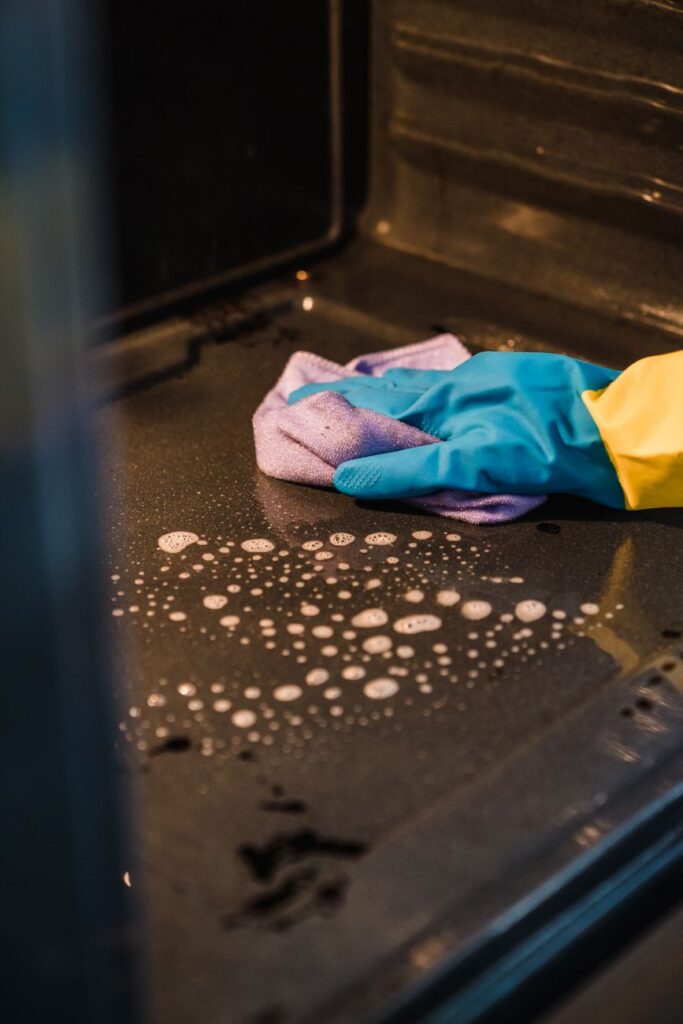
Step 4: Clean the Oven Interior
1. Homemade Cleaner: Mix equal parts water and vinegar in a spray bottle. Spray the solution generously inside the oven.
2. Scrub: Use a non-abrasive sponge or cloth to scrub the interior surfaces. For stubborn stains, sprinkle baking soda on the area and spray vinegar over it.
3. Rinse: Wipe the surfaces with a clean, damp cloth to remove any cleaning solution.
Step 5: Check and Clean Heating Elements
If you have an electric oven, carefully clean the heating elements with a damp cloth. For gas ovens, ensure that the burners are clear of debris and check for any signs of damage.
Step 6: Replace Old Insulation (if necessary)
If the insulation is damaged or emitting odors, consider replacing it. Consult your appliance manual for guidance.
Step 7: Air Out the Oven
Leave the oven door open for a few hours to let it air out after cleaning. This helps dissipate any remaining odors.
Best Cleaning Methods
Baking Soda and Vinegar
This combination is effective for breaking down grease and neutralizing odors.
1. Sprinkle baking soda inside the oven.
2. Spray vinegar over it.
3. Let it fizz for 15-20 minutes before scrubbing.
Commercial Oven Cleaners
If natural methods don’t work, consider using a commercial oven cleaner. Follow the manufacturer’s instructions for application and safety precautions.
Steam Cleaning
Many modern ovens have a steam cleaning feature. This method uses steam to loosen grime and odors, making it easier to wipe away.
Common Mistakes to Avoid
1. Using Abrasive Cleaners: Avoid steel wool or harsh chemicals that can damage the oven’s finish.
2. Neglecting Regular Cleanings: Regular maintenance prevents the buildup of odors and grime.
3. Ignoring Food Spills: Clean spills immediately to prevent them from burning and creating odors later.
4. Not Checking for Gas Leaks: If you smell gas, turn off the oven and contact a professional without delay.
Prevention Tips
1. Regular Cleanings: Schedule monthly cleanings to keep your oven free from food residue and odors.
2. Use a Drip Pan: Place a drip pan under the heating element to catch spills.
3. Cover Dishes: Use oven-safe lids or aluminum foil to cover dishes while cooking.
4. Ventilation: Ensure proper ventilation while cooking to reduce odor buildup.
5. Perform Maintenance Checks: Regularly inspect the oven for damaged parts and replace them as needed.
Frequently Asked Questions
1. How often should I clean my oven to prevent smells?
Aim for a deep clean every 1-3 months, depending on how frequently you use it.
2. Why does my oven smell like burnt plastic?
This could indicate that something is melting or burning inside. Check for any foreign objects or damaged components.
3. Can I use bleach to clean my oven?
No, bleach can create harmful fumes when heated and may damage the oven’s surfaces.
4. How can I tell if there’s a gas leak?
A sulfur-like smell is a sign of a gas leak. If you suspect a leak, turn off the gas and contact a professional immediately.
5. Will my oven smell like burnt food every time I cook?
Not if it’s properly maintained. Regular cleaning and care can significantly reduce this issue.
6. What should I do if the smell persists after cleaning?
If odors continue, consider checking for deeper issues like damaged insulation or consult a professional for inspection.
By following this guide, homeowners can effectively tackle oven smells and maintain a clean, odor-free cooking environment. Regular upkeep and timely cleaning can ensure your oven remains a pleasant place to prepare meals.