
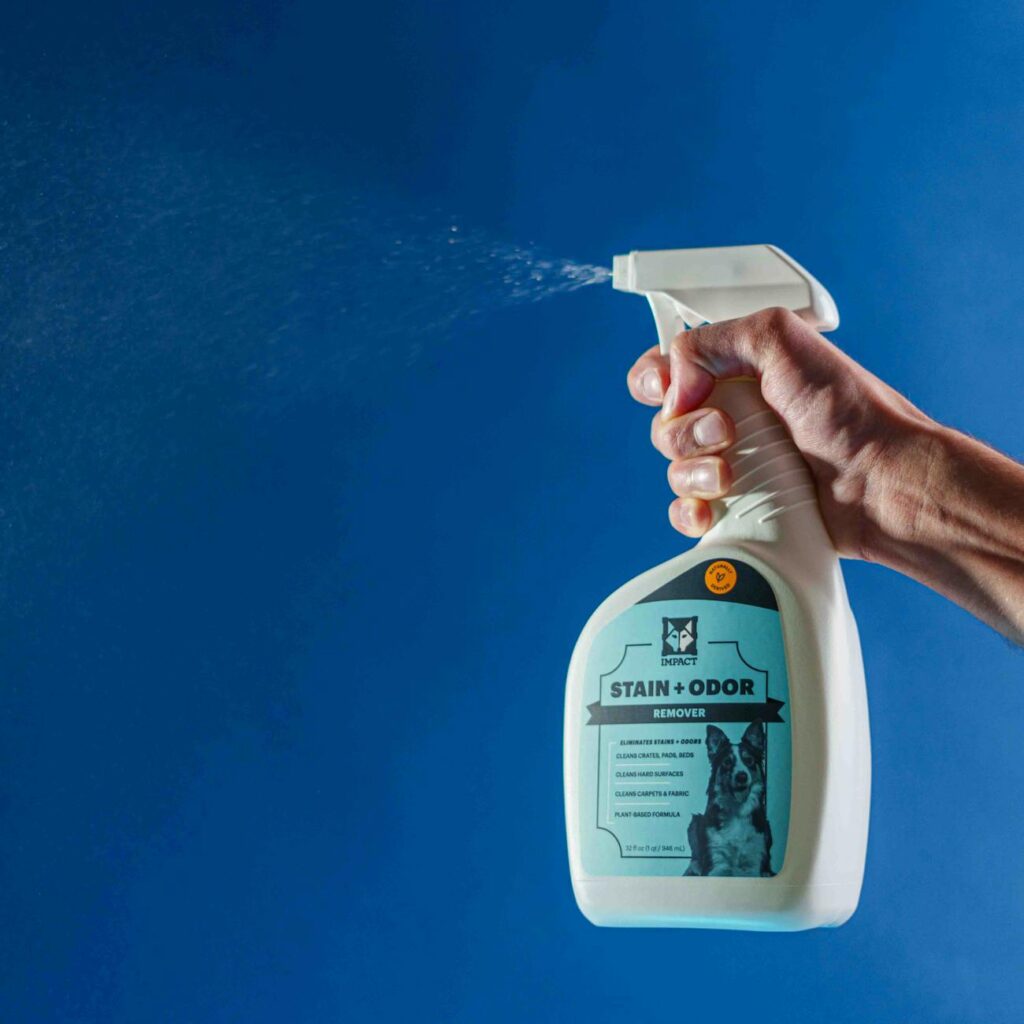
Oven Odor Removal: Odours Guide Part 1
Introduction
A clean oven is essential for both cooking and maintaining a pleasant kitchen environment. However, persistent odors can turn the joy of cooking into a frustrating experience. This guide will help you understand what causes these odors, why they occur, and how to effectively remove them from your oven.
What Causes Odours?
Oven odors can arise from various sources, including:
1. Food Residue: Spills, drips, and crumbs left in the oven can burn and produce unpleasant smells.
2. Grease Buildup: Grease can accumulate over time, especially in self-cleaning ovens, and can emit strong odors when heated.
3. Old Food: Stale or spoiled food remnants can create foul smells.
4. Chemical Residues: Cleaning products not thoroughly rinsed off can lead to lingering odors when the oven is heated.
Understanding these causes is the first step toward effective odor removal.
Why This Problem Happens
Oven odors typically develop due to a combination of cooking practices and maintenance habits. Here are some common reasons:
- Infrequent Cleaning: Regular cleaning is essential. When food particles are allowed to accumulate, they can burn during cooking, creating unpleasant smells.
- Improper Storage: Storing food in the oven can lead to the growth of bacteria and odors.
- Overheating: Cooking at excessively high temperatures can cause grease and food residues to smoke, producing strong odors.
- Lack of Ventilation: Poor airflow in the kitchen can trap odors, making them more noticeable.
- Baking soda
- White vinegar
- Spray bottle
- Soft cloths or sponges
- Scrubbing brush
- Warm water
- Lemon (optional)
- Not Allowing Enough Time: Rushing the cleaning process can leave residues behind, which may cause odors to persist.
- Using Harsh Chemicals: Strong chemicals can leave their own odors and may not be safe for food contact surfaces.
- Ignoring the Exterior: Don’t forget to clean the exterior and door seals, as they can also trap odors.
- Failing to Ventilate: Ensure your kitchen is well-ventilated while cleaning to prevent lingering smells.
Recognizing these habits can help you change your cleaning and cooking routine to avoid future issues.
How to Fix Odours (Step-by-Step)
Removing odors from your oven requires a systematic approach. Follow these steps for effective odor removal:
Step 1: Gather Your Supplies
Before you start, gather the following cleaning supplies:
Step 2: Empty the Oven
Remove all racks, trays, and any other items inside the oven. This will allow you to clean every surface without obstruction.
Step 3: Clean the Oven Interior
1. Create a Paste: Mix 1 cup of baking soda with a few tablespoons of water to form a thick paste.
2. Apply the Paste: Spread the baking soda paste over the interior surfaces, focusing on areas with visible stains or residue. Avoid the heating elements.
3. Let it Sit: Allow the paste to sit for at least 12 hours, or overnight if possible. This will help break down stubborn odors and stains.
Step 4: Wipe Down
1. Scrub Gently: After the paste has set, use a damp sponge or cloth to scrub the interior surfaces.
2. Rinse: Wipe away the baking soda residue with a clean, damp cloth. Ensure all paste is removed to prevent any lingering smells.
Step 5: Vinegar Spray
1. Mix Solution: In a spray bottle, mix equal parts white vinegar and water.
2. Spray: Lightly spray the interior of the oven, avoiding excessive liquid on the heating elements.
3. Wipe: After a few minutes, wipe the surfaces with a clean cloth. This will neutralize any remaining odors and leave a fresh scent.
Step 6: Dry and Reassemble
Allow the oven to air dry completely before placing the racks and trays back inside.
Step 7: Optional Freshening
For an extra fresh scent, slice a lemon and place the halves in an oven-safe dish filled with water. Bake at 350°F (175°C) for about 30 minutes. This will not only freshen the air but also help to loosen any remaining grease.
Best Cleaning Methods
Different methods can be effective for removing oven odors, depending on the severity:
1. Baking Soda and Vinegar: A classic combination that neutralizes odors and breaks down grease.
2. Lemon: Natural acidity helps to cut through grease and leave a pleasant scent.
3. Commercial Oven Cleaners: For tough odors, consider using a commercial cleaner specifically designed for ovens. Always follow the manufacturer’s instructions.
Common Mistakes to Avoid
To ensure effective odor removal, be mindful of these common mistakes:
Prevention Tips
To keep your oven smelling fresh, consider these preventive measures:
1. Regular Cleaning: Schedule regular cleanings, ideally after every few uses, especially after cooking strong-smelling foods.
2. Use a Drip Pan: Place a drip pan on the bottom of the oven to catch spills and prevent odors from developing.
3. Avoid Storing Food in the Oven: Keep your oven for cooking, not storage, to prevent stale odors.
4. Ventilate While Cooking: Use the kitchen exhaust fan or open windows to help disperse cooking odors.
5. Use a Baking Soda Air Freshener: Place an open box of baking soda in the oven to absorb odors when not in use.
Frequently Asked Questions
1. How often should I clean my oven to prevent odors?
Aim to clean your oven every 1-3 months, or after cooking particularly odorous foods.
2. Can I use bleach to clean my oven?
Bleach is not recommended for oven cleaning, as it can leave strong chemical odors and may not be safe for food contact surfaces.
3. What if the odor persists after cleaning?
If odors persist, consider using a commercial oven cleaner or contacting a professional cleaning service for deeper cleaning.
4. Is it safe to use vinegar and baking soda together?
Yes, using vinegar and baking soda together is safe and effective for cleaning, as they neutralize each other and help to eliminate odors.
5. Can I use essential oils for a fresh scent in my oven?
While essential oils can provide a pleasant aroma, avoid placing them directly in the oven during cleaning. Instead, use them in a diffuser or in a baking dish to freshen the air.
6. Are there specific foods that cause stronger odors?
Certain foods, such as fish, garlic, and burnt sugars, tend to produce stronger odors. Be cautious when cooking these items and clean promptly afterward to prevent lingering smells.
By following this comprehensive guide, you can effectively tackle oven odors, ensuring a clean and pleasant cooking environment. Happy cleaning!