
Oven Odor Removal: Mould & Damp Guide Part 1
Introduction
Mould and dampness in your oven can lead to unpleasant odors and may even affect the taste of your food. This guide aims to equip you with practical steps to identify, eliminate, and prevent mould and damp issues in your oven. By following these methods, you can ensure your kitchen remains a clean and inviting space for cooking.
What Causes Mould & Damp?
Mould thrives in warm, moist environments, making your oven an ideal breeding ground if not properly maintained. The primary causes of mould and damp in your oven include:
1. High Humidity: Cooking generates steam, which can accumulate if the oven is not adequately ventilated.
2. Food Residue: Spills and food particles can provide nutrients for mould growth.
3. Infrequent Cleaning: Skipping regular cleanings allows dampness and mould to settle in.
4. Poor Ventilation: Lack of airflow can trap moisture inside the oven.
Why This Problem Happens
Understanding why mould and damp occur in your oven is crucial for effective cleaning and prevention. Here are the main reasons:
- Cooking Habits: Frequent baking or roasting without allowing the oven to cool and dry can create a moist environment.
- Neglecting Maintenance: Not cleaning spills or residue promptly can lead to long-term build-up.
- Environmental Factors: Kitchens with high humidity levels or inadequate airflow may contribute to moisture accumulation.
- Rubber gloves
- A mask (to avoid inhaling spores)
- Scrubbing brush or sponge
- White vinegar
- Baking soda
- Dish soap
- Spray bottle
- Microfiber cloth
- A bucket of warm water
- Not Cleaning Regularly: Make cleaning a routine task. Ignoring it leads to bigger problems.
- Using Too Much Water: Excessive moisture can worsen damp issues. Always use cleaning solutions sparingly.
- Neglecting Airflow: Ensure your oven has proper ventilation. Close doors and windows can trap humidity.
- Ignoring Symptoms: Don’t disregard signs of mould or damp. Address them promptly to prevent escalation.
How to Fix Mould & Damp (Step-by-Step)
Follow these practical steps to tackle mould and damp in your oven effectively:
Step 1: Gather Your Supplies
You’ll need:
Step 2: Safety First
Before starting, ensure your oven is turned off and cool. Wear gloves and a mask to protect yourself from mould spores.
Step 3: Remove Shelves and Accessories
Take out all removable parts from your oven, including shelves and trays. This will allow you to clean all surfaces effectively.
Step 4: Prepare a Cleaning Solution
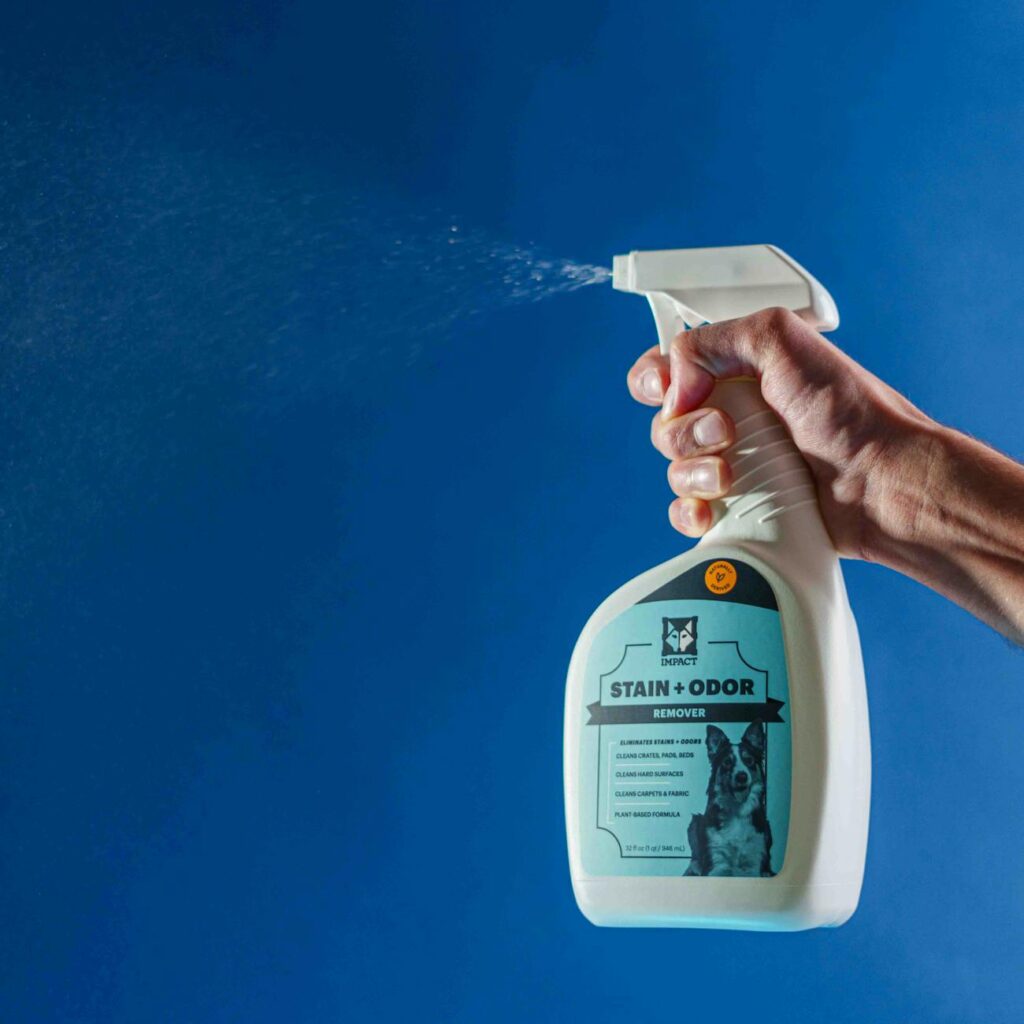
In a spray bottle, mix equal parts of white vinegar and water. This solution will help break down mould and remove odors.
Step 5: Spray and Let Sit
Spray the vinegar solution generously on the affected areas inside the oven. Let it sit for about 15-20 minutes to penetrate the mould.
Step 6: Scrub the Mould
Using a scrubbing brush or sponge, scrub the mouldy areas. Pay extra attention to corners and hard-to-reach spots.
Step 7: Rinse with Warm Water
Dampen a microfiber cloth with warm water and wipe down the surfaces to remove any residual cleaning solution and mould.
Step 8: Use Baking Soda for Odor Removal
For lingering odors, sprinkle baking soda inside the oven. Let it sit overnight, then vacuum or wipe it away the next day.
Step 9: Dry Thoroughly
Leave the oven door open for a few hours to allow it to dry completely. This step is crucial in preventing future mould growth.
Best Cleaning Methods
Certain cleaning methods are particularly effective for removing mould and damp from your oven:
1. Vinegar and Baking Soda: The combination of these two ingredients can break down tough mould and neutralize odors.
2. Steam Cleaning: If your oven has a steam-cleaning feature, use it to loosen grime and kill mould spores.
3. Commercial Cleaners: Opt for mould-specific cleaning products if natural solutions are not effective.
Common Mistakes to Avoid
To ensure effective cleaning and prevention, avoid these common pitfalls:
Prevention Tips
Preventing mould and damp in your oven is easier than dealing with established issues. Here are some practical prevention tips:
1. Maintain Ventilation: Open windows while cooking to allow steam to escape.
2. Wipe Spills Immediately: Clean any food spills right away to avoid residue build-up.
3. Regular Cleaning Schedule: Set a bi-weekly or monthly cleaning routine to keep your oven fresh.
4. Use a Dehumidifier: In high-humidity kitchens, a dehumidifier can help control moisture levels.
5. Keep the Oven Dry: After cooking, leave the oven door slightly ajar to let moisture escape.
Frequently Asked Questions
1. How often should I clean my oven to prevent mould?
Aim for a thorough cleaning every month and spot-clean after each use.
2. Can I use bleach to clean mould in my oven?
Bleach is not recommended for ovens as it can leave harmful residues. Stick with vinegar and baking soda instead.
3. Is mould in the oven dangerous?
While not typically harmful in small amounts, mould can affect food taste and quality. It’s best to remove it promptly.
4. What if the mould doesn’t come off after cleaning?
Persistent mould may require repeated cleanings or a commercial mould remover designed for kitchen use.
5. Can I prevent mould by using my oven less often?
Using your oven less often may help, but it’s not a foolproof solution. Regular cleaning and proper ventilation are essential.
6. Should I call a professional for severe mould issues?
If mould persists despite cleaning efforts, consider consulting a professional to assess and remediate the problem properly.
By following the guidelines in this article, you can effectively manage mould and damp in your oven, ensuring it remains a clean and functional part of your kitchen. Stay tuned for Part 2 of this guide, where we’ll delve deeper into ongoing maintenance and advanced solutions.