
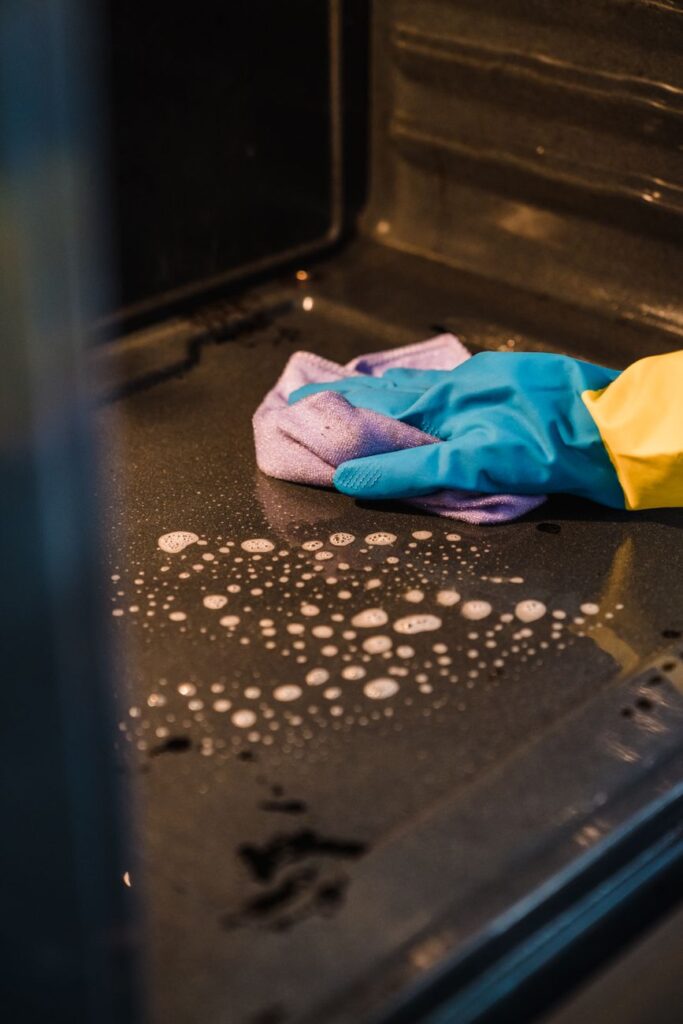
Oven Odor Removal Cleaning Guide Part 2
Introduction
Ovens can be a source of delicious meals, but they can also harbor unpleasant odors, especially after cooking rich or greasy foods. In this guide, we’ll explore the causes of those unwanted smells and provide you with practical steps to eliminate them. Whether you’re dealing with lingering odors from last week’s roast or the burnt remnants of a forgotten dish, this comprehensive guide will help you restore freshness to your kitchen.
What Causes Oven Odor?
Several factors contribute to unpleasant odors in your oven:
- Food Residue: Spills and splatters can burn onto the oven’s surfaces, creating a lingering smell.
- Old Grease: Accumulated grease can emit foul odors when heated.
- Chemical Residues: Using harsh cleaners can leave behind chemical smells.
- Mold Growth: In some cases, moisture can lead to mold, especially if the oven is not used frequently.
- Baking soda
- White vinegar
- Water
- Dish soap
- A soft sponge or cloth
- A spray bottle
- A bowl for mixing
- Baking Soda and Vinegar: This classic combination is effective for absorbing and neutralizing odors.
- Lemon Water: Boil a bowl of water with lemon slices in your oven at a low temperature for about 30 minutes. The steam will help freshen up the interior.
- Coffee Grounds: Placing a bowl of fresh coffee grounds in the oven overnight can absorb odors effectively.
- Activated Charcoal: Similar to coffee grounds, activated charcoal is great for absorbing unpleasant smells. Place some in a bowl and leave it in the oven for a few days.
- Ignoring Spills: Don’t wait too long to clean up food spills; the longer they sit, the harder they are to remove.
- Using Strong Chemicals: Avoid harsh cleaners that can leave chemical odors. Stick to natural methods whenever possible.
- Overlooking the Door Seal: Don’t forget to clean the oven door seal, as odors can linger there too.
- Not Ventilating: Always ensure good ventilation while cleaning to prevent any lingering chemical smells.
- Regular Cleaning: Schedule a regular cleaning routine, ideally after every few cooking sessions.
- Use a Drip Pan: If you’re cooking dishes that may spill, use a drip pan to catch any mess.
- Maintain Good Ventilation: Always turn on the kitchen exhaust fan while cooking to help dissipate odors.
- Store Baking Soda: Keep an open box of baking soda in your oven when not in use; it helps absorb odors.
Understanding these causes is the first step to effectively tackling the problem.
Why This Problem Happens
Oven odors often arise from a combination of cooking practices and maintenance habits. When food spills and residue are left unattended, they can become charred and release unpleasant smells during subsequent use. Additionally, if an oven is not cleaned regularly, the buildup of grease and grime can lead to odors that permeate the kitchen. Finally, improper cleaning with strong chemicals may not only mask odors but also create new ones.
How to Fix Oven Odor (Step-by-Step)
Step 1: Gather Your Supplies
Before you start the cleaning process, gather the following supplies:
Step 2: Empty the Oven
Remove any racks, trays, or other items from the oven. This will allow you to clean every surface without obstruction.
Step 3: Create a Cleaning Paste
In a bowl, mix equal parts baking soda and water to create a thick paste. Baking soda is a natural deodorizer and will help neutralize odors.
Step 4: Apply the Paste
Spread the baking soda paste over the interior surfaces of the oven, avoiding the heating elements. Pay special attention to areas with visible stains or residue. Let the paste sit for at least 30 minutes to absorb odors.
Step 5: Wipe Down the Oven
After the paste has set, use a damp sponge to wipe away the baking soda mixture. Rinse the sponge frequently to ensure you are removing all residue.
Step 6: Spray with Vinegar
In a spray bottle, mix equal parts water and white vinegar. Spray the interior of the oven lightly, focusing on areas that still have a smell. The vinegar will react with any remaining baking soda, creating a fizzy reaction that lifts off grime.
Step 7: Final Wipe Down
Using a clean, damp cloth, wipe down the interior again to remove any remaining vinegar and odor.
Step 8: Dry and Reassemble
Allow the oven to air dry completely before replacing any racks or trays. If you have time, leaving the oven door open for a while can help dissipate any lingering smells.
Best Cleaning Methods
Here are some of the most effective methods for removing oven odors:
Common Mistakes to Avoid
Prevention Tips
To keep your oven odor-free in the future, consider these preventive measures:
Frequently Asked Questions
1. How often should I clean my oven to prevent odors?
Aim to clean your oven every 3-6 months, or more frequently if you cook often or notice strong odors.
2. Can I use commercial oven cleaners for odor removal?
While commercial cleaners can be effective, they may leave chemical smells. Opt for natural cleaning methods whenever possible.
3. Is it safe to leave baking soda in the oven?
Yes, leaving an open box of baking soda in your oven can help absorb odors when the oven is not in use.
4. How can I remove burnt-on food that smells?
Using a baking soda paste, as described in the cleaning steps, will help lift burnt-on food and eliminate odors.
5. What if the odor persists after cleaning?
If odors persist, it may be due to deeper issues like mold or old grease. Consider a professional cleaning or check for issues with the oven’s seal.
6. Can I use essential oils to mask odors?
While essential oils can provide a pleasant scent, they won’t eliminate the underlying odor. Focus on cleaning first before considering scent options.
By following these steps and tips, you can effectively tackle oven odors and maintain a fresh, clean kitchen. Regular maintenance and attention to spills will keep your oven ready for your next culinary adventure.