
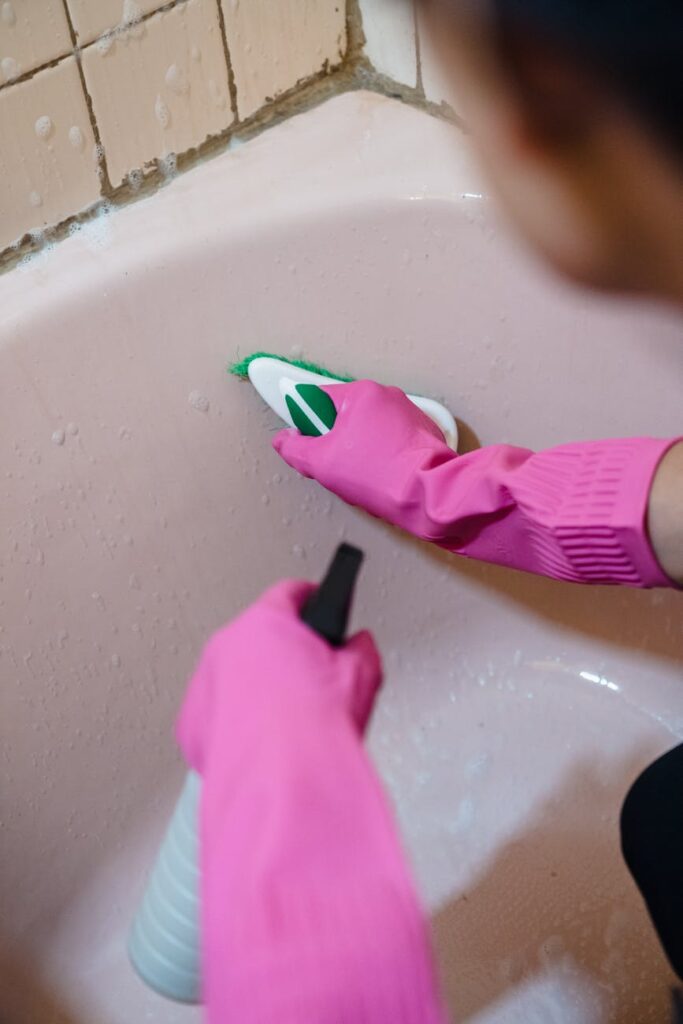
Oven Grease Stains Odours Guide Part 1
Introduction
Ovens are essential kitchen appliances, but they can also be a source of unpleasant odours, especially when grease stains build up over time. These odours can linger and be challenging to eliminate, making cooking less enjoyable. This guide will help you understand the causes of these odours, how to effectively fix them, and tips for prevention.
What Causes Odours?
The primary cause of odours in ovens is the accumulation of grease and food particles. When you cook, fats and oils can splatter or drip onto the oven’s surfaces. Over time, these residues can burn and create a foul smell, especially during high-temperature cooking. Other factors that contribute to oven odours include:
- Old Food Residues: Leftover food particles can decompose and emit unpleasant smells.
- Moisture: Excess moisture can lead to mildew and mold, which also produce odours.
- Chemical Reactions: Some cleaning products may leave behind a strong scent if not rinsed properly.
- Baking soda
- Vinegar
- Water
- A sponge or scrub brush
- A spray bottle
- Dish soap
- Cloths or paper towels
Why This Problem Happens
Oven odours often occur for several reasons:
1. Infrequent Cleaning: Regular cleaning can prevent grease buildup and associated smells.
2. High Cooking Temperatures: Burning food at high temperatures can create more intense odours.
3. Poor Ventilation: A lack of airflow can trap smells inside the oven and kitchen.
4. Old Oven: Older models may retain odours more than newer, more efficient designs.
Understanding these factors is crucial for effective odour management.
How to Fix Odours (Step-by-Step)
Clearing odours from your oven requires a systematic approach. Follow these steps for effective results:
Step 1: Gather Your Supplies
You will need:
Step 2: Empty and Inspect the Oven
Remove all oven racks and any other items. Check for visible grease stains and food residues.
Step 3: Create a Cleaning Paste
Mix three parts baking soda with one part water to form a thick paste. This mixture will help to absorb and neutralize odours.
Step 4: Apply the Paste
Spread the paste over the interior surfaces of the oven, focusing on greasy areas. Let it sit for at least 30 minutes, or overnight for tougher stains.
Step 5: Scrub the Surfaces
After the paste has set, use a sponge or scrub brush to scrub the interior. Pay special attention to the bottom of the oven where grease tends to accumulate.
Step 6: Rinse with Vinegar
Fill a spray bottle with vinegar and spray the oven surfaces. The vinegar will react with the baking soda, helping lift away grime. Wipe down with a damp cloth.
Step 7: Clean the Oven Racks
While the interior is drying, clean the oven racks with warm, soapy water. Rinse thoroughly and let them dry.
Step 8: Final Wipe Down
Once everything is dry, do a final wipe down of the oven interior with a damp cloth to remove any remaining baking soda residue.
Step 9: Air Out the Oven
Leave the oven door open for a while to allow any remaining odours to disperse.
Best Cleaning Methods
Several effective methods can help eliminate odours and keep your oven clean:
1. Baking Soda and Vinegar: This combination is safe and effective for tackling tough grease and bad smells.
2. Commercial Oven Cleaners: If you prefer a store-bought solution, choose a reputable brand that targets grease stains. Follow the instructions carefully.
3. Steam Cleaning: Some modern ovens come with a steam cleaning feature. This method uses heat and moisture to loosen grime and odours.
4. Dish Soap and Hot Water: For light cleaning, a mix of dish soap and hot water can help clear minor odours and stains.
Common Mistakes to Avoid
Avoiding common pitfalls can make your cleaning efforts more effective:
1. Skipping Regular Cleanings: Waiting too long between cleanings allows grease to build up and odours to linger.
2. Using Harsh Chemicals: Strong chemicals can leave behind their own odours and may not effectively remove grease.
3. Not Ventilating: Neglecting to ventilate your kitchen while cooking or cleaning can trap smells.
4. Ignoring the Oven Door: The oven door can also accumulate grease and odours, so don’t forget to clean it.
Prevention Tips
Taking proactive measures can help prevent odours from becoming a problem:
1. Clean Regularly: Aim to clean your oven every month to prevent buildup.
2. Use Foil: Place aluminum foil on the oven bottom to catch spills and drips.
3. Ventilate While Cooking: Use an exhaust fan or open windows to help dissipate cooking smells.
4. Store Food Properly: Ensure that food is covered and stored correctly to prevent odours from seeping into your oven.
5. Use Baking Soda: Place an open box of baking soda in the oven to absorb odours when it’s not in use.
Frequently Asked Questions
1. How often should I clean my oven to prevent odours?
Aim to clean your oven every month to prevent grease buildup and lingering smells.
2. Can I use vinegar alone to eliminate odours?
Yes, vinegar can help neutralize odours, but combining it with baking soda is more effective.
3. What if the odour persists after cleaning?
If odours persist, consider using a commercial oven cleaner or consulting a professional cleaning service.
4. Is it safe to use baking soda and vinegar together?
Absolutely! This combination is safe and effective for cleaning and deodorizing.
5. How can I freshen my oven between cleanings?
Place an open box of baking soda inside the oven when not in use to absorb odours.
6. Should I leave the oven door open after cleaning?
Yes, leaving the door open allows any remaining odours to dissipate and helps the interior dry completely.
By following these guidelines, you can effectively manage and eliminate odours caused by oven grease stains, ensuring a fresher, cleaner cooking environment. Stay tuned for Part 2, where we delve deeper into advanced cleaning techniques and maintenance tips!