
Oven Grease Stains Mould & Damp Guide Part 1
Introduction
Oven grease stains can lead to an unwelcome side effect: mould and dampness. If you’ve ever noticed that musty smell wafting from your kitchen or found unsightly black patches in your oven, you’re not alone. This guide will help you understand the causes of mould and damp, offer actionable cleaning steps, and provide preventive tips to keep your cooking space fresh and clean.
What Causes Mould & Damp?
Mould thrives in damp environments, which can be exacerbated by grease stains in your oven. When grease accumulates, it can trap moisture, creating an ideal breeding ground for mould. The combination of heat, organic material, and humidity makes ovens particularly susceptible to these problems.
Key Contributors:
- High Humidity: Kitchens often experience high humidity from cooking, which can lead to condensation.
- Inadequate Ventilation: Poor airflow allows moisture to linger.
- Grease Accumulation: Grease not only attracts dirt but also retains moisture.
- Temperature Fluctuations: Changes in temperature can cause condensation.
- White vinegar
- Baking soda
- Dish soap
- Spray bottle
- Scrub brush or sponge
- Microfiber cloths
- Rubber gloves
- Mix equal parts of white vinegar and water in a spray bottle.
- For tougher stains, create a paste with baking soda and a bit of water.
- Spray the vinegar solution generously on mouldy areas and let it sit for 10-15 minutes.
- For stubborn stains, apply the baking soda paste and let it sit for at least 15 minutes.
- Vinegar: A natural disinfectant that breaks down grease and kills mould spores.
- Baking Soda: Acts as a mild abrasive to scrub away stains without scratching surfaces.
- Dish Soap: Cuts through grease effectively and can be combined with vinegar for enhanced cleaning.
Why This Problem Happens
Understanding why mould and damp form around grease stains is essential for tackling the issue effectively. Here are the primary reasons:
1. Organic Material: Grease is organic, providing food for mould spores.
2. Moisture Trapping: Grease can trap moisture, leading to a damp environment.
3. Temperature Changes: Frequent heating and cooling can create condensation inside the oven.
4. Lack of Regular Cleaning: Infrequent cleaning allows grime to build up and worsen the situation.
How to Fix Mould & Damp (Step-by-Step)
If you’re facing mould and damp in your oven, it’s time to take action. Follow these steps:
Step 1: Gather Your Supplies
Step 2: Safety First
Ensure the oven is turned off and cool. Put on rubber gloves to protect your hands from cleaning agents and debris.
Step 3: Prepare the Cleaning Solution
Step 4: Spray and Soak
Step 5: Scrub the Area
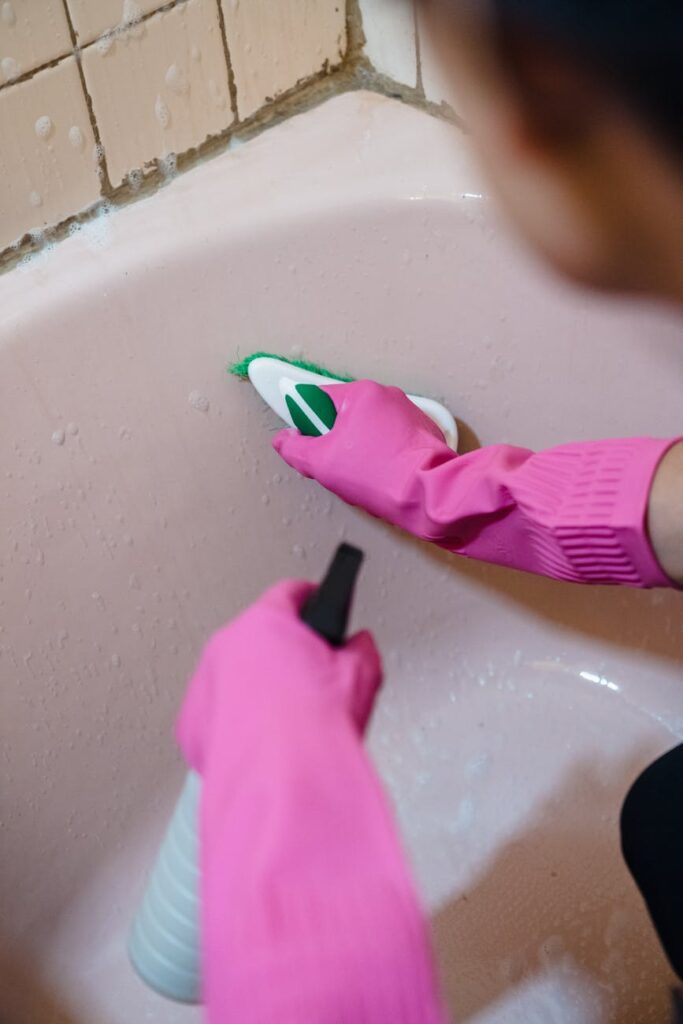
Using a scrub brush or sponge, gently scrub the affected areas. Focus on corners and crevices where mould tends to accumulate.
Step 6: Rinse and Dry
Wipe down the area with a damp cloth to remove any residue. Then, dry thoroughly with a microfiber cloth to prevent moisture buildup.
Step 7: Repeat if Necessary
For persistent mould, repeat the process until the area is clean.
Best Cleaning Methods
Different types of cleaning solutions can be effective against mould and grease:
Common Mistakes to Avoid
When dealing with mould and damp, it’s easy to make mistakes that can worsen the situation. Here are some to watch out for:
1. Using Bleach: While bleach can kill mould, it doesn’t remove the underlying grease and can create more moisture.
2. Neglecting Ventilation: Always ensure your kitchen is well-ventilated while cleaning to allow moisture to escape.
3. Not Drying Properly: Failing to dry surfaces can lead to rapid mould regrowth.
4. Ignoring Regular Maintenance: Waiting too long between cleanings allows for greater mould growth.
Prevention Tips
Preventing mould and damp is easier than cleaning it up. Here are effective strategies:
1. Regular Cleaning: Clean your oven and surrounding areas at least once a month.
2. Improve Ventilation: Use exhaust fans while cooking and open windows to reduce humidity.
3. Wipe Spills Immediately: Don’t let grease accumulate; wipe up spills as they happen.
4. Use a Dehumidifier: In particularly humid areas, a dehumidifier can help control moisture levels.
5. Seal Cracks: Ensure that there are no gaps or cracks around your oven that might allow moisture to enter.
Frequently Asked Questions
1. Can I use commercial mould removers?
Yes, but ensure they are safe for kitchen use and follow the manufacturer’s instructions.
2. How often should I clean my oven?
Aim for a thorough clean at least once a month, or more frequently if you cook often.
3. What’s the best way to ventilate my kitchen?
Use exhaust fans, open windows, and consider a range hood to improve airflow.
4. Is mould harmful to health?
Yes, mould can cause respiratory issues and allergies, so it’s essential to keep it under control.
5. Can I prevent mould without cleaning?
No, regular cleaning is essential to remove grease and moisture that contribute to mould growth.
6. What should I do if the mould keeps returning?
If mould persists, consider consulting a professional cleaner or assessing your kitchen’s humidity levels.
With these practical steps and insights, you can effectively manage and prevent mould and damp caused by oven grease stains. By taking the right approach, your kitchen can remain a clean and healthy space for cooking and gathering.