
Oven Grease Stains Appliances Guide Part 2
Introduction
Oven grease stains can be one of the most stubborn challenges for homeowners. These stains not only affect the appearance of your appliances but can also lead to unpleasant odors and even affect cooking performance. In this guide, we’ll tackle what causes these stains, why they persist, and how to effectively clean and maintain your appliances to keep them shine-ready.
What Causes Appliances?
Oven grease stains primarily come from cooking. When food splatters or spills occur during the cooking process, oils and fats can adhere to the interior and exterior surfaces of your oven. Additionally, over time, heat can cause these oils to become sticky and more challenging to remove.
Common Sources of Grease
- Roasting meats: The natural fats released can splatter.
- Baking: Ingredients like butter and oils can drip.
- Frying: High heat can cause oil to vaporize and settle on surfaces.
- Boiling: Water can carry oils to other areas when food is added.
- Mild dish soap
- Baking soda
- White vinegar
- Soft sponge or cloth
- Scrub brush (non-abrasive)
- Spray bottle
- Microfiber cloth
Why This Problem Happens
Understanding why grease stains form helps in devising effective cleaning strategies. Several factors contribute to the build-up of grease:
1. Temperature: High heat causes grease to become sticky, making it more difficult to clean.
2. Composition of Grease: Some oils and fats are more resilient to cleaning agents than others.
3. Neglect: Regular cleaning prevents build-up; however, missed cleanings allow stains to harden.
4. Material of Appliances: Some surfaces, like stainless steel or non-stick finishes, may require specific cleaning methods to avoid damage.
How to Fix Appliances (Step-by-Step)
Step 1: Gather Your Supplies
Before you start, ensure you have the following cleaning supplies:
Step 2: Prepare the Area
1. Unplug the Oven: For safety, disconnect your oven from power.
2. Remove Oven Racks: Take out any removable parts for easier access to the interior.
Step 3: Apply Cleaning Solutions
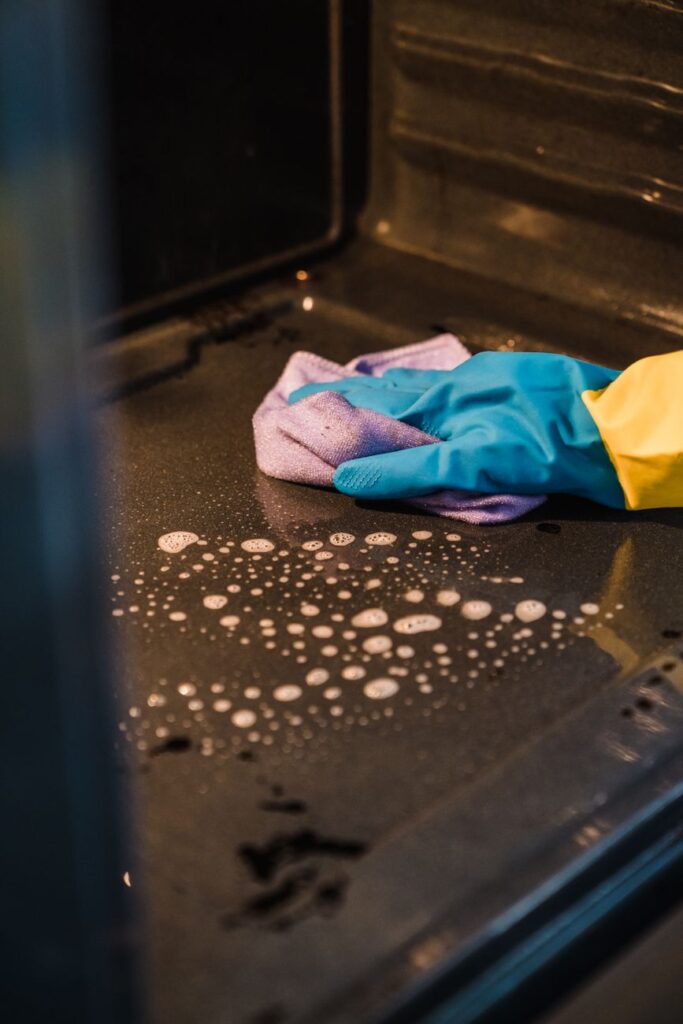
1. Soapy Water: Mix warm water with a few drops of dish soap in a bowl. Dip your sponge into the solution and begin wiping down the surfaces.
2. Baking Soda Paste: For tougher stains, make a paste of baking soda and water. Apply it directly to the stains and let it sit for 15-20 minutes.
Step 4: Scrub and Rinse
1. Scrub Gently: Use your scrub brush to gently work on the stains. Be cautious with non-stick surfaces.
2. Rinse with Vinegar: Spray white vinegar over the baking soda paste to help lift the stains. Wipe away with a damp cloth.
Step 5: Dry and Reassemble
1. Wipe Dry: Use a microfiber cloth to thoroughly dry all surfaces.
2. Reattach Racks: Once everything is dry, put the oven racks back in place.
Best Cleaning Methods
Method 1: Vinegar and Baking Soda
1. Spray vinegar: Apply vinegar to the stained areas.
2. Sprinkle baking soda: Follow with baking soda, creating a fizzing reaction that lifts grease.
Method 2: Commercial Oven Cleaner
1. Read instructions: Always follow the manufacturer’s guidelines.
2. Apply and wait: Typically, you’ll spray the cleaner, wait for the recommended time, and then wipe away.
Method 3: Steam Cleaning
1. Use a steam cleaner: If you have one, this can be an effective tool for loosening grease.
2. Follow steam cleaning procedures: Ensure the oven is suitable for this method.
Common Mistakes to Avoid
1. Using Abrasive Cleaners: These can scratch and damage surfaces.
2. Neglecting Regular Maintenance: Waiting too long between cleanings leads to stubborn stains.
3. Skipping the Rinse: Not rinsing off cleaning products can lead to residue and odors.
4. Using Too Much Cleaner: More isn’t always better; excess cleaner can cause build-up.
Prevention Tips
1. Clean Spills Immediately: Wipe up any grease or food spills right after cooking.
2. Use Oven Liners: These can catch drips and spills, making clean-up easier.
3. Regular Deep Cleaning: Schedule monthly cleanings to prevent build-up.
4. Keep a Cleaning Kit Handy: Having supplies at your fingertips encourages regular maintenance.
Frequently Asked Questions
1. How often should I clean my oven?
It’s best to clean your oven every one to three months, depending on usage.
2. Can I use vinegar on all types of appliances?
Yes, vinegar is generally safe for most surfaces, but always test on a small area first.
3. What if the stains don’t come off after cleaning?
For persistent stains, consider letting the baking soda paste sit longer or using a commercial oven cleaner.
4. Is it safe to use steel wool on my oven?
No, steel wool can scratch and damage surfaces. Use non-abrasive scrubbers instead.
5. Can I clean my oven while it’s still hot?
It’s advisable to let your oven cool down completely before cleaning to avoid burns and ensure safety.
6. What’s the best way to remove burnt-on grease?
A paste of baking soda and water, combined with vinegar, often works best. Allow it to sit before scrubbing.
By following this comprehensive guide, you can effectively manage and eliminate stubborn oven grease stains, ensuring your appliances remain clean and functional for years to come. Regular maintenance and prompt clean-ups are key to preventing build-up and prolonging the life of your kitchen appliances.