
Oven Grease Removal Appliances Guide Part 1
Introduction
Oven grease is an inevitable byproduct of cooking, but it can lead to unsightly stains and even unwanted odors if left unchecked. Greasy buildup not only affects the appearance of your oven but can also impact its performance. This guide focuses on effective techniques and appliances for tackling oven grease, helping you restore cleanliness and efficiency.
What Causes Appliances?
Oven grease accumulates due to the cooking process. When food is baked, roasted, or broiled, fats and oils can splatter and adhere to the oven’s surfaces. This grease can harden over time, becoming more difficult to clean. Understanding the sources of this grease is crucial for effective removal:
- Spills: Liquid fats from meats or sauces can splash.
- Steam: Moisture can carry grease particles onto surfaces.
- Food Overflows: Items that bubble over can create a mess.
- Degreaser or oven cleaner
- Baking soda
- Vinegar
- Soft cloths or sponges
- Scrub brush
- Rubber gloves
- Plastic scraper (optional)
- For a natural option, mix baking soda and water to form a paste.
- For tougher grease, use a commercial degreaser or oven cleaner according to product instructions.
- Neglecting the Oven Racks: Many homeowners forget to clean the racks, allowing grease to transfer back into the oven.
- Using Harsh Abrasives: Steel wool or other abrasive materials can scratch the oven’s surfaces, leading to damage.
- Not Ventilating: Fumes from cleaning products can be strong. Always ensure good ventilation during the cleaning process.
- Ignoring the Bottom of the Oven: Grease often accumulates at the bottom. Make sure to clean this area thoroughly.
- Using Too Much Product: More cleaner doesn’t mean better results. Use the recommended amount for efficiency.
- Regular Cleaning: Make it a habit to wipe down your oven after each use, even if it’s just a quick clean.
- Use a Baking Sheet: Place a baking sheet or aluminum foil on the bottom of the oven to catch drips and spills.
- Cover Foods: Use lids or foil when cooking items that may splatter to minimize grease buildup.
- Check for Leaks: Ensure your oven is functioning correctly. A malfunctioning oven can lead to excess splattering.
Why This Problem Happens
The primary reason grease buildup occurs is frequent cooking without adequate cleaning. Ovens are often neglected after use, leading to layers of grime that can harden. Environmental factors, such as humidity, can also accelerate the sticking process, making grease more challenging to remove over time.
How to Fix Appliances (Step-by-Step)
Follow these simple steps to effectively remove grease from your oven:
Step 1: Gather Your Supplies
Before you begin, gather the following items:
Step 2: Remove Oven Racks
Take out the oven racks to access all surfaces. You can clean these separately in warm, soapy water or use a degreaser.
Step 3: Apply Cleaning Solution
Choose a cleaning solution:
Step 4: Apply and Sit
Spread the cleaning solution evenly over greasy areas. Let it sit for at least 15-20 minutes. This allows the product to penetrate and loosen the grease.
Step 5: Scrub
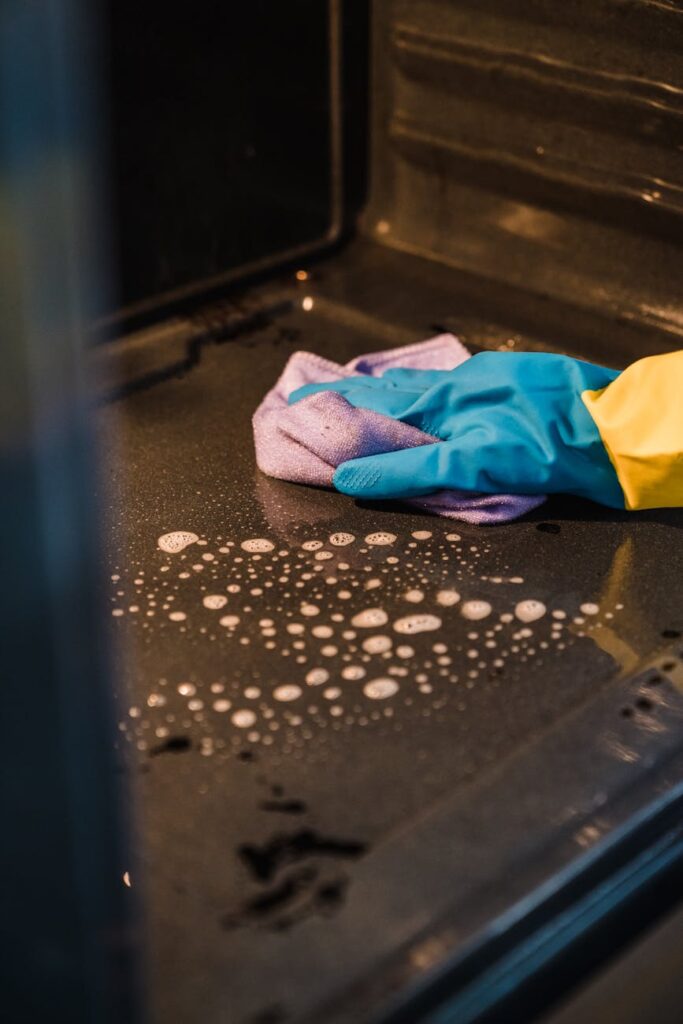
Using a soft cloth or sponge, scrub the surfaces, focusing on heavily soiled areas. A scrub brush can help with stubborn spots, but avoid abrasive tools that may scratch the oven’s interior.
Step 6: Rinse Off
Wipe down the surfaces with a damp cloth to remove cleaning residue. For baking soda paste, you may need to use vinegar to help dissolve the paste.
Step 7: Clean the Oven Racks
While the oven interior is drying, clean the racks. Scrub them with a sponge or brush and rinse thoroughly before placing them back in the oven.
Step 8: Final Wipe Down
Once everything is dry, do a final wipe-down of the oven interior with a clean, dry cloth.
Best Cleaning Methods
There are several effective methods to tackle oven grease:
1. Commercial Degreasers: These products are formulated specifically to break down grease. Always follow the manufacturer’s instructions for the best results.
2. Baking Soda and Vinegar: This natural combo is great for mild grease. The baking soda acts as a gentle abrasive, while vinegar helps to cut through grime.
3. Steam Cleaning: If your oven has a steam cleaning feature, you can utilize it to loosen grease. Simply add water to the designated reservoir and follow the steam cleaning instructions.
4. Self-Cleaning Function: Many modern ovens have a self-cleaning mode that can effectively burn off grease. However, ensure you follow the guidelines and remove any items from the oven beforehand.
Common Mistakes to Avoid
Avoid these pitfalls to ensure a thorough cleaning:
Prevention Tips
To keep your oven grease-free, consider these preventive measures:
Frequently Asked Questions
1. How often should I clean my oven?
Ideally, you should clean your oven every 3-6 months, or more frequently if you use it often.
2. Can I use vinegar on all types of ovens?
Vinegar is safe for most oven types, but always check the manufacturer’s guidelines for specific cleaning recommendations.
3. Is it safe to use a self-cleaning oven?
Yes, but ensure you remove racks and any items inside. Follow the instructions carefully to prevent smoke or odors.
4. What’s the best way to clean oven racks?
Soak them in warm, soapy water, then scrub with a non-abrasive sponge or brush.
5. Can I use baking soda for tough stains?
Yes, baking soda is effective for tough stains when mixed with water to form a paste.
6. Why does my oven smell bad after cleaning?
This could be due to leftover cleaning product residue or burnt grease. Ensure thorough rinsing and proper ventilation.
By following this guide, you’ll be equipped to tackle oven grease effectively, keeping your appliances in top shape and your cooking experience enjoyable. Stay tuned for Part 2, where we’ll delve deeper into specialized cleaning techniques and tools!