
Oven Grease Buildup Odours Guide Part 1
Introduction
If you’ve noticed unpleasant smells wafting from your oven, you’re not alone. Odours from oven grease buildup can be frustrating and unwanted, especially when they linger long after you’ve cooked. This guide will help you understand what causes these odours, why they happen, and provide practical steps to eliminate them effectively.
What Causes Odours?
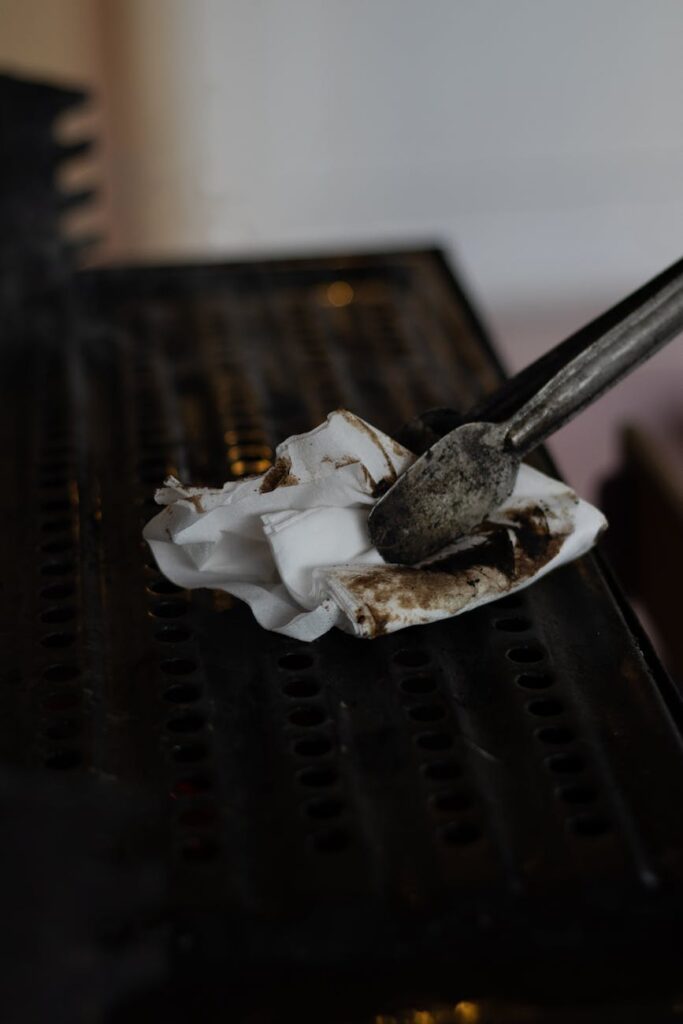
Oven odours primarily stem from grease and food residue that accumulate over time. When cooking, splatters and spills can cling to the oven walls, heating elements, and even the oven door. As these residues heat up, they can release foul-smelling compounds, leading to unpleasant odours that can permeate your home.
Why This Problem Happens
1. Temperature Fluctuations: High cooking temperatures can cause grease to smoke and emit odours.
2. Infrequent Cleaning: Regular maintenance is vital. Skipping cleanings allows grease to build up and harden.
3. Food Type: Certain foods, particularly fatty meats or sugary dishes, can leave behind strong-smelling residues.
4. Old Grease: Over time, grease can oxidize and become rancid, which contributes to foul odours.
How to Fix Odours (Step-by-Step)
Step 1: Gather Your Supplies
Before starting, gather the following cleaning supplies:
- Baking soda
- White vinegar
- Dish soap
- A spray bottle
- Soft cloths or sponges
- A scraper (plastic or silicone)
- A vacuum or dustpan
Step 2: Turn Off the Oven
Ensure your oven is turned off and completely cool before cleaning.
Step 3: Remove Loose Debris
Use a vacuum or dustpan to remove any loose food particles or debris from the oven floor. This step helps prevent further odours from developing.
Step 4: Make a Cleaning Paste
Combine equal parts baking soda and water to create a thick paste. This natural cleaner is effective at breaking down grease.
Step 5: Apply the Paste
Spread the baking soda paste generously over the greasy areas inside the oven. Pay extra attention to the walls, floor, and door. Let it sit for at least 15–30 minutes to allow it to penetrate the grease.
Step 6: Scrub the Oven
Using a soft cloth or sponge, scrub the surfaces where you applied the paste. For stubborn spots, use a scraper to gently lift the buildup. Be careful not to scratch any surfaces.
Step 7: Wipe Down with Vinegar
Fill a spray bottle with white vinegar and spray it over the areas you just scrubbed. The vinegar will react with the baking soda, fizzing and lifting more grime. Wipe it down with a clean cloth.
Step 8: Final Rinse
Dampen a cloth with clean water and wipe down all surfaces to remove any remaining residue.
Step 9: Dry
Leave the oven door open for a while to air out and ensure everything is completely dry.
Best Cleaning Methods
Baking Soda and Vinegar
This classic combination effectively neutralizes odours and cuts through grease. Use this method for routine cleaning to prevent buildup.
Commercial Oven Cleaners
For severe grease buildup, consider using a commercial oven cleaner. Follow the manufacturer’s instructions carefully, ensuring proper ventilation during use.
Steam Cleaning
Some modern ovens come with a steam-cleaning feature. This method uses water and heat to loosen grease and is effective for regular maintenance.
Common Mistakes to Avoid
1. Using Abrasive Cleaners: Avoid steel wool or harsh chemicals that can damage your oven’s surfaces.
2. Skipping Regular Cleanings: Make cleaning a habit to prevent significant buildup and odours.
3. Neglecting the Oven Door: Grease can collect on the oven door, so be sure to clean it regularly, too.
4. Ignoring the Heating Elements: Don’t forget to check and clean the heating elements, as grease can accumulate there as well.
Prevention Tips
1. Use a Drip Pan: Place a drip pan under dishes that may splatter to catch grease before it hits the oven surface.
2. Cook at Lower Temperatures: Whenever possible, cook at lower temperatures to reduce smoke and odours.
3. Wipe Spills Immediately: After cooking, wipe up any spills or splatters immediately while they are still warm.
4. Schedule Regular Cleanings: Set a routine cleaning schedule, ideally every month, to maintain a fresh oven.
5. Ventilation: Always use your kitchen vent or open a window when cooking to help dissipate any lingering smells.
Frequently Asked Questions
1. How often should I clean my oven to prevent odours?
Aim for a thorough cleaning every month, but wipe up spills immediately after cooking.
2. Can I use bleach to clean my oven?
Bleach is not recommended for cleaning ovens as it can leave harmful residues and strong odours.
3. What should I do if the odour persists after cleaning?
If odours persist, consider checking for hidden grease spots or use a commercial oven cleaner for stubborn buildup.
4. How can I tell if my oven needs cleaning?
A noticeable smell when the oven is in use or visible grease buildup are clear indicators that it needs cleaning.
5. Is it safe to use essential oils to mask oven odours?
While essential oils can help mask odours, they don’t clean. Focus on removing the grease first before using them.
6. What’s the best way to store baking soda?
Keep baking soda in an airtight container in a cool, dry place to maintain its effectiveness.
By following this guide, you can tackle oven grease buildup and the odours that come with it, ensuring your kitchen remains fresh and inviting. In our next installment, we will dive deeper into advanced cleaning techniques and maintenance tips to keep your oven odour-free.