
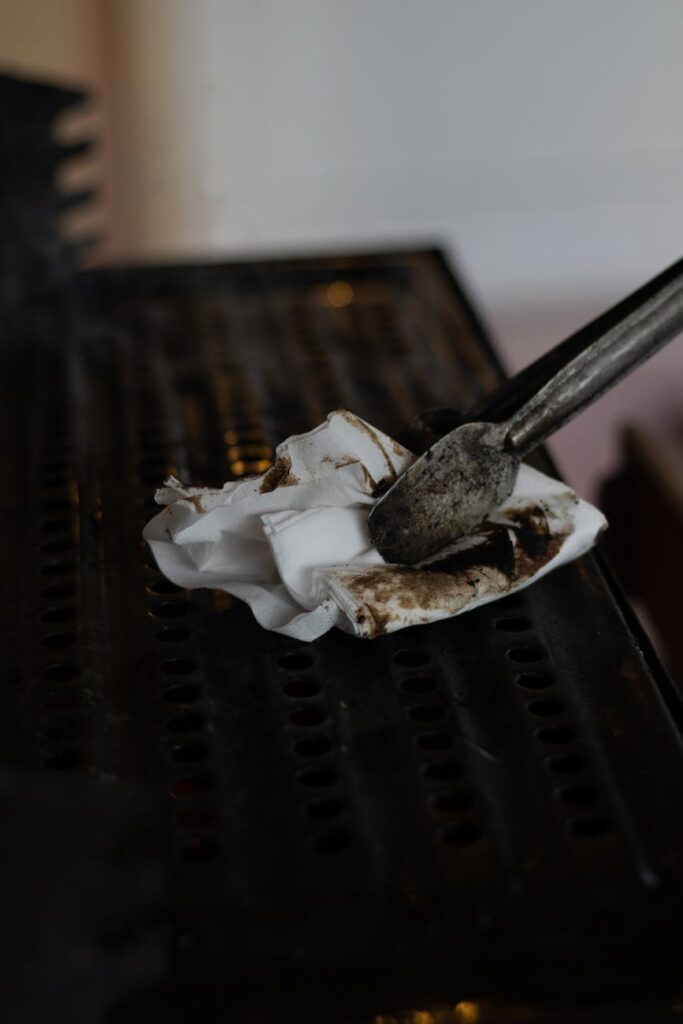
Oven Grease Buildup Laundry Guide Part 1
Introduction
Oven grease buildup can be a significant annoyance, affecting the cleanliness of your kitchen and even leading to unpleasant odors. One often overlooked aspect of this issue is how it can transfer to your laundry, especially if you’re washing kitchen textiles like dish towels, aprons, or tablecloths. In this guide, we will explore the causes of grease buildup in your laundry, why this issue occurs, and provide actionable steps to eliminate it effectively.
What Causes Laundry?
Laundry can become greasy for several reasons. When you’re working in the kitchen, especially during cooking, grease from frying, roasting, or grilling can easily transfer onto your clothes. This grease can cling to fabric fibers, making it challenging to remove during the wash cycle. The grease particles can also become embedded in the fabric if not treated promptly, making them even harder to eliminate.
Why This Problem Happens
The primary reason grease builds up in laundry is the nature of grease itself. Grease is hydrophobic, meaning it repels water. When you wash greasy fabrics in water alone, the grease often doesn’t break down effectively, leaving stubborn stains behind. Additionally, if you mix greasy items with other laundry, the grease can transfer to other fabrics, compounding the issue.
Factors Contributing to Grease Buildup:
- High Cooking Temperatures: Frying or roasting can create more grease than boiling or steaming.
- Inadequate Washing: Using the wrong detergent or wash cycle can fail to cut through the grease.
- Overloading the Washer: Stuffing too many items into one load can prevent proper cleaning.
How to Fix Laundry (Step-by-Step)
Step 1: Identify Affected Items
Before tackling the problem, identify which items in your laundry are affected by grease. This could include dish towels, aprons, or any other fabric used in the kitchen.
Step 2: Pre-Treat Greasy Stains
1. Use Dish Soap: Apply a small amount of liquid dish soap directly to the greasy stain. Dish soap is designed to cut through grease and can be effective on fabric.
2. Gently Rub: Use your fingers or a soft-bristle brush to gently rub the soap into the stain. Let it sit for about 15 minutes.
Step 3: Wash in Hot Water
1. Choose the Right Cycle: Select the hottest water temperature safe for the fabric. Hot water can help dissolve grease more effectively.
2. Add Detergent: Use a heavy-duty laundry detergent that contains enzymes designed to break down grease.
3. Avoid Overloading: Make sure not to overload the washing machine so that each item can be cleaned thoroughly.
Step 4: Check Before Drying
After washing, check the items for any remaining grease stains. If the stains persist, repeat the pre-treatment and washing steps. Avoid placing the items in the dryer until you are sure the stains are gone, as heat can set the grease.
Best Cleaning Methods
Method 1: Baking Soda Paste
Baking soda can be an effective grease remover. Make a paste by mixing baking soda with a little water. Apply it to the greasy areas, let it sit for 30 minutes, then wash as usual.
Method 2: Vinegar Rinse
Add one cup of white vinegar to the rinse cycle. The acidity in vinegar can help break down grease residues and neutralize odors.
Method 3: Commercial Stain Removers
For stubborn grease, consider using a commercial stain remover specifically designed for greasy stains. Follow the manufacturer’s instructions for the best results.
Common Mistakes to Avoid
1. Ignoring Stains: Waiting too long to treat greasy stains can make them harder to remove.
2. Using Cold Water: Cold water often fails to dissolve grease effectively. Always check the fabric care label for recommendations.
3. Overloading the Washer: This prevents items from moving freely and getting properly cleaned.
4. Using Fabric Softener: Fabric softeners can leave a coating on fabrics that traps grease. Avoid using them on greasy items.
Prevention Tips
1. Aprons Are Your Friend: Always wear an apron when cooking to protect your clothes from grease splatters.
2. Designate Kitchen Towels: Use specific towels for drying dishes and another set for general cleaning to minimize grease transfer.
3. Immediate Action: Treat any grease stains immediately to prevent them from setting.
Frequently Asked Questions
1. Can I wash greasy clothes with regular laundry?
Mixing greasy clothes with regular laundry can lead to grease transfer. It’s best to wash them separately.
2. Will hot water damage my fabrics?
Always check the care label on your clothing. Most fabrics can tolerate warm or hot water, but delicate fabrics may require cold water.
3. How can I remove old grease stains?
For old grease stains, pre-treat with dish soap and baking soda, then wash in the hottest water safe for the fabric.
4. Can I use bleach on greasy stains?
Bleach can help, but it may not be effective on grease. Additionally, it’s crucial to ensure the fabric is bleach-safe.
5. Should I dry my clothes if they still have grease stains?
Never dry clothes with grease stains, as heat will set the stains. Always ensure they are completely clean before drying.
6. What’s the best detergent for grease removal?
Look for heavy-duty detergents with enzymes that specifically target grease. Brands may vary, so choose one that has good reviews for grease removal.
By following this guide, you’ll be better equipped to handle oven grease buildup in your laundry. Stay tuned for Part 2, where we’ll dive deeper into long-term solutions and advanced techniques for maintaining a grease-free kitchen!