
Oven Grease Buildup Kitchen Guide Part 1
Introduction
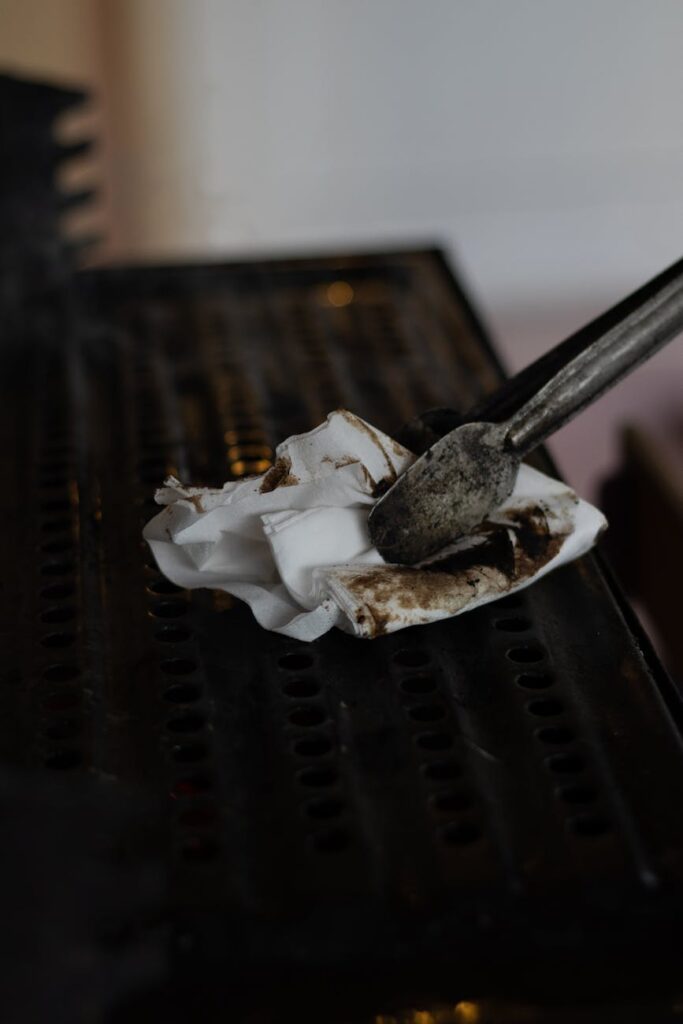
Oven grease buildup is a common issue that many homeowners face. Over time, the heat from cooking can cause grease to accumulate on the oven walls, racks, and even the door. This not only affects the appliance’s performance but can also lead to unpleasant odors and even potential fire hazards. This guide provides practical solutions to help you tackle grease buildup effectively, ensuring your kitchen stays clean and safe.
What Causes Kitchen Grease Buildup?
Grease buildup in your oven primarily results from cooking oils, fats, and food particles. When you cook, especially at high temperatures, these substances can splatter and adhere to the oven’s interior surfaces. Here are some common causes:
- Cooking Methods: Frying or roasting meats often leads to excess grease.
- Spills: Overflows from pots and pans can create sticky spots.
- Lack of Regular Cleaning: Neglecting to clean your oven regularly allows grease to harden and accumulate.
- High-Temperature Cooking: Cooking at high temperatures can cause grease to smoke and create a layer of buildup.
- Heat: The high temperatures in your oven can cause grease to polymerize, making it adhere more strongly to surfaces.
- Time: The longer grease sits, the harder it becomes to remove. Without regular cleaning, it becomes a challenging task.
- Inadequate Ventilation: Poor kitchen ventilation can trap smoke and grease particles, increasing the likelihood of buildup.
- Baking soda
- White vinegar
- A spray bottle
- Water
- A sponge or scrub brush
- A microfiber cloth
- Gloves (optional)
- Scraper (optional)
- Commercial Oven Cleaners: These products are designed specifically for tough grease. Follow the manufacturer’s instructions.
- Steam Cleaning: Some ovens have a steam-cleaning feature that uses water to loosen grease, making it easier to wipe away.
- Lemon Juice: The acidity in lemon juice can help cut through grease. Mix lemon juice with water, spray it on, and wipe clean.
- Using Abrasive Cleaners: Avoid harsh chemicals or scrubbers that can scratch the oven surface.
- Neglecting Racks: Don’t forget to clean the racks; they can harbor grease too.
- Skipping Regular Maintenance: Regularly maintaining your oven can prevent significant grease buildup, making cleaning easier.
- Ignoring Safety Precautions: Always ensure the oven is off and cool before cleaning. Use gloves if you’re sensitive to cleaning products.
- Use a Splatter Guard: This can help minimize grease splatters when frying or roasting.
- Clean Spills Immediately: Wipe up any spills right after cooking to prevent them from hardening.
- Ventilation: Ensure your kitchen is well-ventilated while cooking to reduce grease accumulation in the oven.
- Regular Maintenance: Schedule regular cleanings every few months to keep grease buildup at bay.
Why This Problem Happens
Oven grease buildup occurs for several reasons, including:
Understanding these factors can help you recognize the importance of maintaining a clean oven.
How to Fix Kitchen Grease Buildup (Step-by-Step)
Cleaning your oven may seem daunting, but with the right approach, you can tackle grease buildup effectively. Follow these steps for a thorough cleaning:
Step 1: Gather Your Supplies
You’ll need:
Step 2: Prepare the Oven
1. Turn Off and Cool Down: Ensure the oven is completely cool before starting.
2. Remove Oven Racks: Take out the racks to clean them separately.
Step 3: Make a Cleaning Paste
1. Mix Baking Soda and Water: Combine about 1 cup of baking soda with a few tablespoons of water to create a thick paste.
2. Apply the Paste: Spread the paste on the greasy areas inside the oven, avoiding the heating elements. Let it sit for at least 30 minutes to loosen the grease.
Step 4: Clean the Oven Racks
1. Soak in Soapy Water: Fill a bathtub or sink with hot, soapy water and soak the racks for 15-30 minutes.
2. Scrub: Use a sponge or scrub brush to remove any remaining grease. Rinse and dry before placing them back in the oven.
Step 5: Wipe Down the Oven
1. Spray Vinegar: After the baking soda has sat, spray white vinegar over the areas you applied the paste. This will cause a fizzing reaction that helps lift the grease.
2. Wipe Clean: Use a damp sponge or cloth to wipe away the residue. For stubborn spots, use a scraper gently.
Step 6: Final Touches
1. Rinse: Wipe the oven with a clean, damp cloth to remove any remaining cleaning solution.
2. Dry: Allow the oven to air dry before using it again.
Best Cleaning Methods
While the baking soda and vinegar method is effective, there are other cleaning methods you might consider:
Common Mistakes to Avoid
When cleaning grease buildup in your oven, avoid these common pitfalls:
Prevention Tips
Preventing grease buildup is easier than cleaning it. Here are some tips:
Frequently Asked Questions
1. How often should I clean my oven?
Aim to clean your oven every three to six months, or more frequently if you do a lot of cooking.
2. Can I use baking soda and vinegar on self-cleaning ovens?
Check your oven’s manual; some self-cleaning models should not be used with baking soda and vinegar.
3. What should I do if the grease is really stubborn?
For tough grease, let the baking soda paste sit longer, or consider using a commercial oven cleaner.
4. Is it safe to use bleach in my oven?
No, bleach can be too harsh and may damage the oven. Stick to milder cleaning agents.
5. Can I clean my oven while it’s still warm?
It’s best to wait until your oven is completely cool to prevent burns and ensure effective cleaning.
6. What if my oven has a strong odor after cleaning?
If odors persist, try placing a bowl of water and lemon juice in the oven and heating it briefly to neutralize smells.
By following this guide, you can effectively manage oven grease buildup and maintain a clean, safe kitchen environment. Tackling this task might take some effort, but the results will make your cooking experience much more enjoyable.