
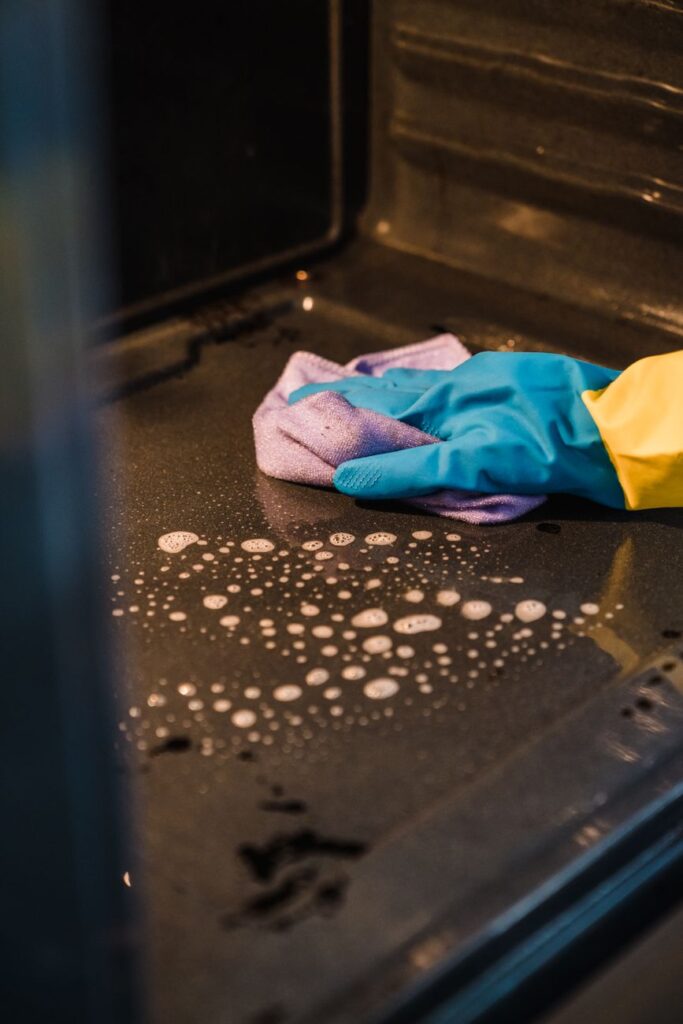
Oven Grease Buildup Appliances Guide Part 2
Introduction
Oven grease buildup is a common challenge in many households. Over time, cooking oils, food particles, and smoke can accumulate, creating a sticky, unpleasant mess that not only affects the appearance of your appliance but can also impact its performance. Understanding how to tackle this issue effectively can save you time, money, and effort in the long run. This guide will provide practical solutions to manage and prevent grease buildup in your oven.
What Causes Appliances?
Grease buildup in ovens is primarily caused by cooking activities. Here are some of the main culprits:
1. High-Temperature Cooking: Roasting meats or baking items at high temperatures can cause fats and oils to splatter, leading to residue accumulation.
2. Spills and Overflows: Cooking dishes that bubble or overflow can leave behind grease and food particles that harden over time.
3. Infrequent Cleaning: Neglecting regular maintenance allows grease to build up, making it harder to clean later.
4. Type of Food: Foods that contain high levels of fat, such as fried items, contribute significantly to grease buildup.
Why This Problem Happens
Understanding why grease buildup occurs can help you devise better cleaning strategies. Here are some reasons:
- Heat and Smoke: The heat from the oven not only cooks food but also causes oils to break down and adhere to surfaces. Smoke can further complicate this by depositing additional residues.
- Moisture: Steam from cooking can make grease even more sticky and difficult to remove. This moisture allows the grease to bond with the oven surfaces.
- Time: The longer the grease stays on the surface, the harder it becomes to remove. This is often due to it being baked on during subsequent cooking sessions.
- Baking soda
- White vinegar
- Dish soap
- A sponge or scrub brush
- A microfiber cloth
- A spray bottle
- A scraper (for stubborn spots)
- Using Metal Scrubbers: These can scratch the oven surface. Stick to softer sponges or brushes.
- Neglecting the Door: Don’t forget the oven door; grease can build up there, too. Clean it along with the interior.
- Not Following Instructions: When using commercial cleaners, always follow the manufacturer’s instructions for safety and effectiveness.
- Inadequate Ventilation: Ensure proper airflow when cleaning, especially when using strong commercial cleaners.
How to Fix Appliances (Step-by-Step)
Cleaning the grease buildup from your oven can be straightforward if you follow these steps:
Step 1: Gather Your Supplies
You will need:
Step 2: Remove Oven Racks
Take out the oven racks to make cleaning more manageable. Soak them in hot, soapy water while you clean the oven interior.
Step 3: Create a Cleaning Paste
Mix three parts baking soda with one part water to create a thick paste. If your oven is particularly greasy, add a few drops of dish soap for extra cleaning power.
Step 4: Apply the Paste
Spread the baking soda paste over the greasy areas of the oven, focusing on the bottom and walls. Let it sit for at least 15-30 minutes. For tough spots, let it sit longer.
Step 5: Wipe Down the Interior
After the paste has set, use a damp sponge or scrub brush to wipe down the oven surfaces. For stubborn areas, use a scraper to gently lift off the buildup.
Step 6: Rinse with Vinegar
Fill a spray bottle with white vinegar and spray the oven surfaces where you applied the baking soda. This will create a fizzing reaction that helps lift off the grease. Wipe down with a clean sponge.
Step 7: Clean the Oven Racks
While the oven is drying, scrub the soaked racks with a sponge and rinse them with clean water. Dry them thoroughly before placing them back in the oven.
Step 8: Final Wipe
Once everything is dry, give the oven a final wipe down with a microfiber cloth. This will help remove any streaks and leave your oven looking shiny and clean.
Best Cleaning Methods
Here are some effective methods for dealing with oven grease:
1. Baking Soda and Vinegar: This is a classic method that combines the grease-cutting properties of baking soda with the acidity of vinegar for a powerful cleaning solution.
2. Commercial Oven Cleaners: These products are specifically designed to tackle tough grease. Follow the instructions carefully and ensure proper ventilation.
3. Steam Cleaning: If your oven has a steam cleaning feature, use it. This method utilizes heat and moisture to loosen grease, making it easier to wipe away.
Common Mistakes to Avoid
Avoid these pitfalls to ensure effective cleaning:
Prevention Tips
Prevent grease buildup by following these simple tips:
1. Use a Baking Sheet: Place a baking sheet or aluminum foil on the bottom rack to catch drips and spills.
2. Regular Cleaning: Make cleaning a routine. A quick wipe down after cooking can prevent heavy buildup.
3. Avoid Overcrowding: Don’t overcrowd the oven with pots and pans, as this can lead to spills and splatters.
4. Cook at Lower Temperatures: When possible, cook at lower temperatures to minimize splatter and smoke.
Frequently Asked Questions
1. How often should I clean my oven?
It’s best to clean your oven every three to six months, or more frequently if you use it often for greasy foods.
2. Can I use vinegar alone to clean my oven?
While vinegar is a great cleaner, using it alone may not be as effective on tough grease. Combining it with baking soda enhances its cleaning power.
3. What should I do if the grease is baked on?
If grease is baked on, create a thick baking soda paste and let it sit longer before scrubbing. For extremely stubborn spots, use a scraper carefully.
4. Are commercial oven cleaners safe to use?
Most commercial cleaners are safe when used as directed. Always read the label and ensure adequate ventilation while using them.
5. Can I clean my oven while it’s still warm?
It’s best to let the oven cool completely before cleaning to avoid burns and ensure effective cleaning.
6. What is the best way to clean an oven door?
Use a mixture of baking soda and vinegar or a commercial cleaner. Apply it, let it sit, and wipe down with a soft cloth for best results.
By following these guidelines, you can effectively manage and prevent grease buildup in your oven, ensuring it operates efficiently and remains a clean, welcoming part of your kitchen.