
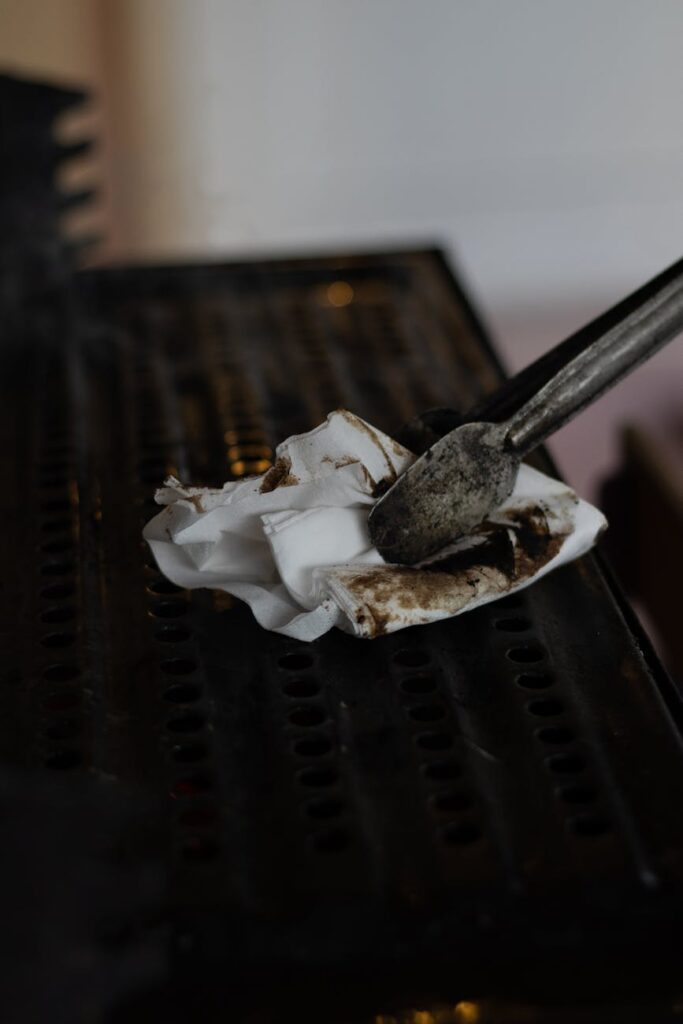
Oven Grease Buildup Appliances Guide Part 1
Introduction
Oven grease buildup is a common issue that many homeowners face. Over time, cooking spills, splatters, and smoke can accumulate, creating a sticky mess that not only looks unpleasant but can also affect the performance of your oven. This guide will help you understand what causes grease buildup, how to effectively clean it, and how to prevent it from recurring.
What Causes Appliances?
Grease buildup in ovens primarily occurs due to cooking. When food is heated, fats and oils break down and can splatter onto the oven surfaces. Here are the main contributors:
- Cooking Methods: Frying and roasting produce more grease than baking.
- Temperature: High temperatures can cause fats to splatter more aggressively.
- Food Type: Foods high in fat, such as meats and cheeses, lead to more residue.
- Lack of Regular Cleaning: Skipping cleanings allows buildup to harden over time.
- High-Temperature Cooking: When foods are cooked at high temperatures, they can emit smoke, leading to grease particles settling on surfaces.
- Inconsistent Cleaning: If spills are not cleaned up immediately, they can harden and become more difficult to remove later.
- Poor Ventilation: If your kitchen lacks proper ventilation, grease can accumulate more easily, as there is nowhere for the vaporized oils to escape.
- Rubber gloves
- Baking soda
- Vinegar
- Water
- Spray bottle
- Scrub brush or sponge
- Microfiber cloth
- Plastic scraper (optional)
- Using Steel Wool: This can scratch surfaces and damage the oven’s finish.
- Not Ventilating: Ensure good airflow, especially when using strong commercial cleaners.
- Cleaning While Hot: Always wait for the oven to cool completely to avoid burns and ensure safe cleaning.
- Skipping Regular Maintenance: Regular cleaning can prevent buildup from becoming a bigger problem.
- Clean Spills Immediately: Wipe up any spills right away while the oven is still warm (but not hot).
- Use a Splatter Guard: When frying or roasting, a splatter guard can minimize mess.
- Cook at Lower Temperatures: If possible, reduce cooking temperatures to decrease smoke and splatter.
- Regular Deep Cleaning: Schedule a deep clean every few months to stay ahead of buildup.
Why This Problem Happens
Understanding why grease buildup occurs can help you tackle the issue more effectively. Here are the primary reasons:
How to Fix Appliances (Step-by-Step)
Cleaning grease from your oven can seem daunting, but with the right approach, you can tackle it effectively. Follow these steps:
Step 1: Gather Your Supplies
You’ll need the following:
Step 2: Prepare the Oven
1. Turn Off and Cool Down: Make sure the oven is off and completely cool to avoid burns.
2. Remove Oven Racks: Take out the racks for easier access to the interior of the oven.
Step 3: Create a Cleaning Paste
1. Mix 1 cup of baking soda with a few tablespoons of water until you form a paste.
2. Adjust the consistency as needed to ensure it sticks to surfaces.
Step 4: Apply the Paste
1. Spread the baking soda paste generously on the greasy areas of the oven interior, focusing on the bottom and sides.
2. Leave it on for at least 12 hours (or overnight) for best results.
Step 5: Wipe and Scrub
1. After the paste has set, dampen a sponge or cloth with vinegar.
2. Wipe away the baking soda paste. The reaction between the vinegar and baking soda will help lift the grease.
3. For stubborn spots, use a scrub brush or plastic scraper to gently remove buildup.
Step 6: Final Rinse
1. Wipe down the oven surfaces with a clean, damp cloth to remove any residue.
2. Dry with a microfiber cloth to prevent water spots.
Step 7: Clean the Oven Racks
1. While the oven is drying, clean the racks in warm, soapy water.
2. Rinse and dry before placing them back in the oven.
Best Cleaning Methods
Consider these effective cleaning methods for grease buildup:
1. Baking Soda and Vinegar
This method is effective for general grease removal. The combination of baking soda and vinegar not only cleans but also deodorizes.
2. Commercial Oven Cleaners
If the grease is particularly stubborn, a commercial oven cleaner can be effective. Always follow the manufacturer’s instructions and ensure good ventilation.
3. Lemon Juice
The acidity in lemon juice can break down grease. Mix lemon juice with water and spray it on the surfaces, then wipe clean.
Common Mistakes to Avoid
Avoid these pitfalls to ensure effective cleaning:
Prevention Tips
To keep your oven grease-free, consider the following preventive measures:
Frequently Asked Questions
1. How often should I clean my oven?
Aim for a deep clean every 3-6 months, but wipe up spills immediately to prevent buildup.
2. Can I use vinegar alone for cleaning?
While vinegar is effective, combining it with baking soda enhances its cleaning power, especially for tough grease.
3. Is it safe to use commercial cleaners?
Yes, but always follow the instructions and ensure proper ventilation, as some commercial cleaners contain strong chemicals.
4. What if the grease is burnt on?
For burnt-on grease, let the baking soda paste sit longer, or consider using a commercial oven cleaner designed for tough jobs.
5. Can I clean my oven with just water?
Water alone may not effectively remove grease. It’s best to use a combination of baking soda, vinegar, or commercial cleaners for tough stains.
6. What materials should I avoid when cleaning my oven?
Avoid using abrasive materials like steel wool, which can scratch surfaces, and avoid ammonia-based cleaners that can produce harmful fumes.
By following these guidelines, you can effectively tackle oven grease buildup and maintain a clean, efficient cooking space. Stay tuned for Part 2, where we will explore specialized oven cleaning techniques and tools.