
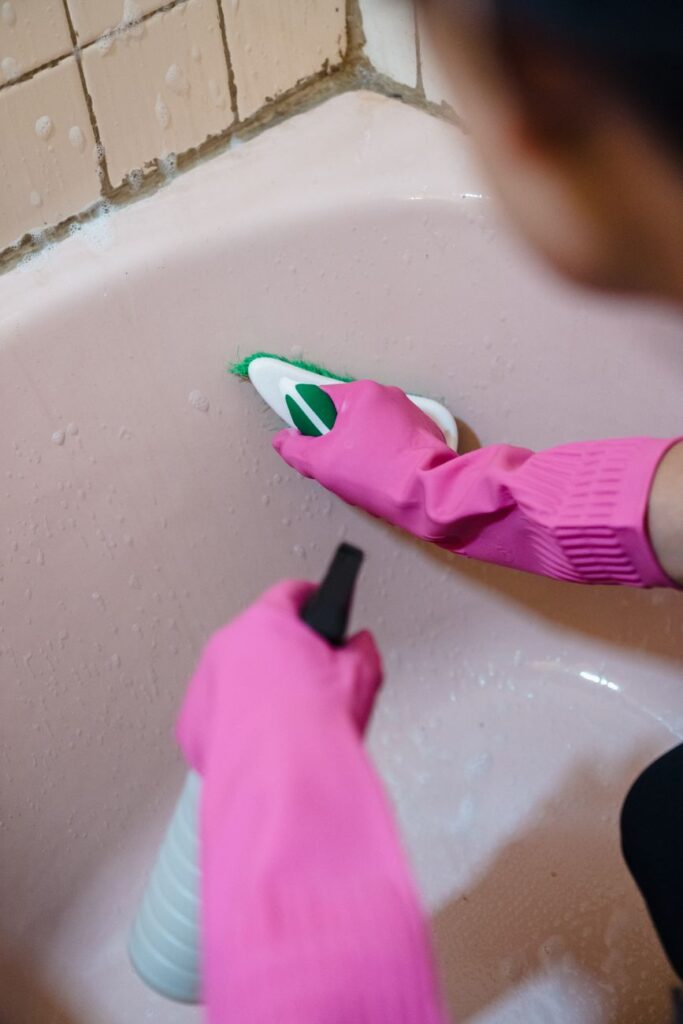
Oven Cleaner Stains Guide Part 2
Introduction
Oven cleaner stains can be a frustrating nuisance for homeowners. While oven cleaners are effective at breaking down tough grease and grime, they can sometimes leave behind unsightly stains on your oven’s surfaces. In this guide, we’ll explore the causes of these stains, why they occur, and provide actionable steps to fix them. We’ll also share the best cleaning methods, common mistakes to avoid, and valuable prevention tips.
What Causes Stains?
Oven cleaner stains are typically caused by the chemical composition of the cleaner itself. The main culprits include:
- Chemical Reaction: The harsh chemicals in some oven cleaners can react with the surface material, leading to discoloration.
- Residue Build-up: If the cleaner is not wiped off properly, it can leave behind a residue that hardens over time, resulting in stains.
- Improper Application: Spraying too much cleaner or using it on a surface not designed to handle harsh chemicals can lead to staining.
- Baking soda
- White vinegar
- Soft cloths or sponges
- Plastic scraper (optional)
- Water
- Non-abrasive cleaner (if necessary)
Understanding these causes can help you take the right steps to prevent and resolve stains effectively.
Why This Problem Happens
Oven cleaner stains occur for several reasons:
1. Surface Material: Some surfaces, such as glass or enamel, are more prone to staining when exposed to strong chemicals.
2. High Temperatures: Heat can intensify the effects of oven cleaners, leading to more severe stains.
3. Inconsistent Cleaning: Not following the recommended cleaning procedure can result in stains that are difficult to remove.
4. Old Stains: Stains can become entrenched over time, making them harder to clean.
By understanding these factors, you can take proactive measures to avoid issues in the future.
How to Fix Stains (Step-by-Step)
Step 1: Gather Your Supplies
You will need:
Step 2: Prepare the Cleaning Solution
1. Baking Soda Paste: Mix baking soda with a small amount of water to create a thick paste.
2. Vinegar Spray: Fill a spray bottle with white vinegar to use as a rinse.
Step 3: Apply the Baking Soda Paste
1. Spread the Paste: Apply the baking soda paste to the stained area, ensuring it covers the stain fully.
2. Let it Sit: Allow the paste to sit for at least 30 minutes. This will help break down the stain.
Step 4: Scrub the Stain
1. Use a Soft Cloth: Dampen a soft cloth or sponge and gently scrub the area in circular motions.
2. Be Patient: For tougher stains, you may need to scrub for a longer period.
Step 5: Rinse with Vinegar
1. Spray the Area: Lightly spray the area with white vinegar. This will react with the baking soda and help lift the stain.
2. Wipe Clean: Use a clean, damp cloth to wipe away any residue.
Step 6: Dry the Surface
1. Use a Dry Cloth: Pat the area with a dry cloth to absorb any remaining moisture.
2. Inspect for Remaining Stains: Check for any lingering stains and repeat the process if necessary.
Best Cleaning Methods
1. Baking Soda and Vinegar: This combination is effective for most stains, as it’s non-toxic and safe for various surfaces.
2. Commercial Oven Cleaner: For severe stains, a commercial oven cleaner can be effective. Ensure it’s suitable for your oven type and follow the manufacturer’s instructions.
3. Lemon Juice: The acidity in lemon juice can help break down stains. Apply lemon juice to the stain, let it sit for a while, and then scrub gently.
4. Dish Soap and Warm Water: A mixture of dish soap and warm water can be effective for lighter stains. Use a soft cloth to scrub the area.
Common Mistakes to Avoid
1. Using Metal Scrubbers: Abrasive scrubbers can scratch surfaces, making stains worse.
2. Ignoring Instructions: Always read the instructions on your cleaning products. Misapplication can lead to stains.
3. Not Rinsing Thoroughly: Leaving cleaning agents on the surface can cause further staining.
4. Neglecting Regular Maintenance: Regular cleaning can help prevent the buildup of stains.
5. Using Too Much Product: Over-applying cleaning solutions can lead to residue buildup.
By avoiding these pitfalls, you can significantly reduce the likelihood of dealing with oven cleaner stains.
Prevention Tips
1. Read Labels: Always check the manufacturer’s guidelines for your oven and the cleaning products you use.
2. Use a Protective Coating: Consider applying a protective coating designed for your oven’s surface, which can help prevent stains.
3. Clean Regularly: Schedule regular cleanings to prevent grease and grime buildup.
4. Wipe Up Spills Immediately: Address any spills as soon as they occur to prevent stains from setting.
5. Ventilate While Cleaning: Ensure good ventilation when using strong chemicals to minimize their impact on surfaces.
Frequently Asked Questions
1. Can I use vinegar alone to remove oven cleaner stains?
Yes, vinegar is effective on its own, but it may take longer to lift tough stains. Combining it with baking soda enhances its cleaning power.
2. How often should I clean my oven to prevent stains?
Aim for a deep clean every 3-6 months, but regular light cleanings after each use can help prevent staining.
3. Are there any surfaces I should avoid using oven cleaner on?
Yes, avoid using oven cleaner on painted surfaces, certain plastics, and aluminum, as they can be damaged.
4. What if the stains won’t come out after multiple attempts?
If stains persist, you may need to consult a professional cleaner or consider using a specialized cleaning product designed for severe stains.
5. Is it safe to use oven cleaner on self-cleaning ovens?
No, self-cleaning ovens have specific instructions and should not be used with harsh chemicals. Stick to the self-cleaning mode as directed.
6. What can I do to keep my oven cleaner for longer?
Use a drip pan or aluminum foil to catch spills, and clean up immediately after cooking to minimize staining.
By following the steps outlined in this guide, you can effectively tackle oven cleaner stains and maintain a clean, sparkling oven. With the right techniques and preventative measures, you can make cleaning a breeze.