
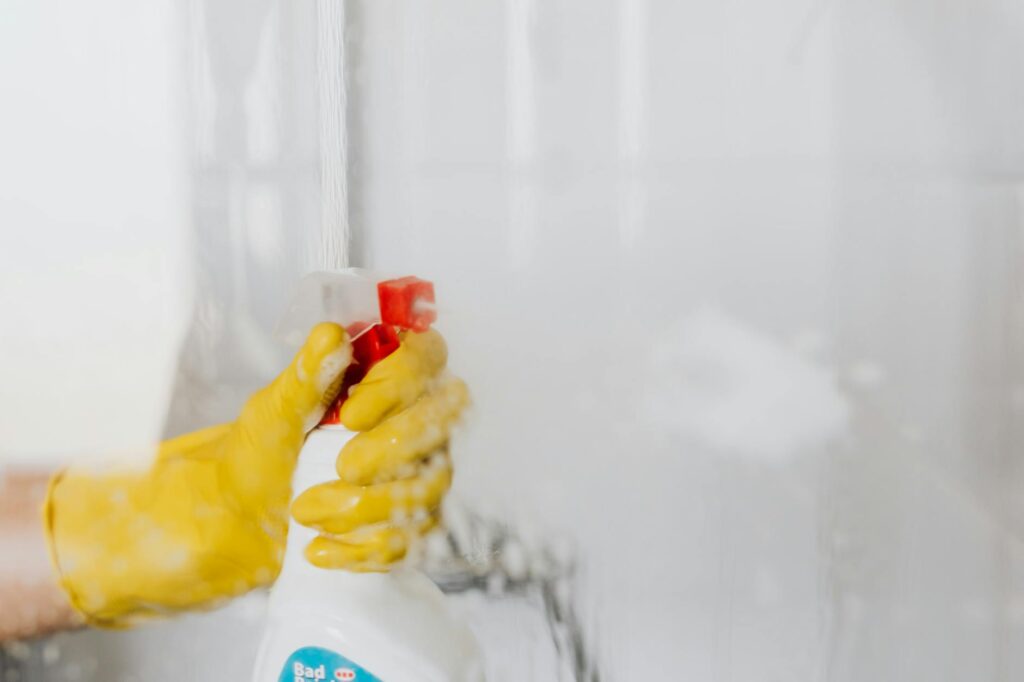
Oven Cleaner Residue Mould & Damp Guide Part 1
Introduction
Oven cleaner residue can create a breeding ground for mould and dampness, leading to unsightly spots and unpleasant odors. This guide will help you understand the causes of mould and damp related to oven cleaner residue, as well as provide actionable steps to tackle the issue effectively. Let’s get to the root of the problem and keep your kitchen clean and healthy.
What Causes Mould & Damp?
Mould thrives in moist, warm environments, and when oven cleaner residue is not properly cleaned, it can contribute to these conditions. Here are some common causes:
1. Residual Chemicals: Many commercial oven cleaners contain harsh chemicals. If not rinsed thoroughly, these can attract moisture.
2. Poor Ventilation: Kitchens often lack proper airflow, especially when the oven is used frequently. This can lead to humidity buildup.
3. Spills and Splashes: Grease or food spills that mix with oven cleaner residue can create sticky surfaces, attracting dampness.
4. Temperature Fluctuations: Rapid changes in temperature can cause condensation, particularly in poorly insulated kitchens.
Why This Problem Happens
Understanding why mould and damp occur in the presence of oven cleaner residue is crucial:
- Chemical Composition: Many oven cleaners contain sodium hydroxide or similar compounds that can hold moisture.
- Surface Texture: Residue can create a porous surface, capturing moisture and providing a habitat for mould spores.
- Infrequent Cleaning: If your oven isn’t cleaned regularly, residual grime can build up, increasing the likelihood of mould growth.
- White vinegar
- Baking soda
- Soft scrub brush or sponge
- Microfiber cloth
- Bucket
- Warm water
How to Fix Mould & Damp (Step-by-Step)
Step 1: Gather Your Supplies
Before you begin, gather the following materials:
Step 2: Prepare the Area
Ensure the kitchen is well-ventilated. Open windows and doors to reduce humidity.
Step 3: Create a Cleaning Solution
Mix equal parts of white vinegar and warm water in a bucket. This natural solution helps break down residues and kills mould spores.
Step 4: Apply the Solution
Using a sponge or cloth, apply the vinegar solution to the affected areas where mould is visible. Allow it to sit for about 10-15 minutes for effective action.
Step 5: Scrub the Area
After letting the solution soak, use a soft scrub brush to gently scrub the surface. Focus on corners and crevices where mould may hide.
Step 6: Rinse Thoroughly
Using clean water, rinse the area thoroughly to remove all cleaning solutions and residues. This step is critical to preventing further mould growth.
Step 7: Dry the Area
Wipe the area with a dry microfiber cloth or let it air dry. Ensure it’s completely dry, as moisture invites mould back.
Best Cleaning Methods
When dealing with oven cleaner residue, here are some effective methods:
1. Vinegar and Baking Soda: This combination is powerful for breaking down grease and eliminating mould.
2. Steam Cleaning: Using a steam cleaner can help penetrate surfaces and lift residues without harsh chemicals.
3. Gentle Abrasives: For tough residues, consider using baking soda as a gentle abrasive to scrub surfaces without scratching.
4. Commercial Mould Removers: If mould persists, consider a commercial product specifically designed for mould removal, but ensure it’s safe for kitchen use.
Common Mistakes to Avoid
1. Not Rinsing Properly: Leaving cleaning solutions on surfaces can worsen the problem. Always rinse well.
2. Using Harsh Chemicals: Avoid bleach, as it can damage surfaces and create harmful fumes.
3. Ignoring Ventilation: Failing to ventilate the area can cause moisture to linger, promoting mould growth.
4. Neglecting Regular Cleaning: Make cleaning a routine to prevent build-up. Regular checks can save time and effort.
Prevention Tips
1. Regular Cleaning: Clean your oven and surrounding areas at least once a month to prevent residue buildup.
2. Improve Ventilation: Install a range hood or use fans to promote airflow while cooking.
3. Control Humidity: Use a dehumidifier in the kitchen if moisture is a persistent issue.
4. Seal Surfaces: Consider sealing porous surfaces with a protective coating to reduce moisture absorption.
5. Store Cleaning Products Properly: Ensure that oven cleaners and other products are stored correctly to prevent leaks.
Frequently Asked Questions
1. How often should I clean my oven to prevent mould?
Clean your oven and surrounding areas at least once a month to prevent mould and residue build-up.
2. Can I use bleach to clean mould from oven cleaner residue?
No, bleach can create harmful fumes and is not recommended for kitchen surfaces.
3. What should I do if mould keeps coming back?
Check for underlying damp issues and improve ventilation. Consider using a dehumidifier if necessary.
4. Is it safe to use commercial mould removers?
Yes, but ensure they are safe for kitchen use and follow the manufacturer’s instructions.
5. Can I prevent mould by using natural cleaners?
Yes, natural cleaners like vinegar and baking soda are effective and safe for preventing mould.
6. How can I tell if my oven cleaner residue is causing mould?
If you notice mould growth in areas where oven cleaner has been applied, it’s likely contributing to the problem.
By following these guidelines and steps, you can effectively tackle mould and damp caused by oven cleaner residue. Stay proactive in your cleaning efforts to maintain a healthy kitchen environment.