
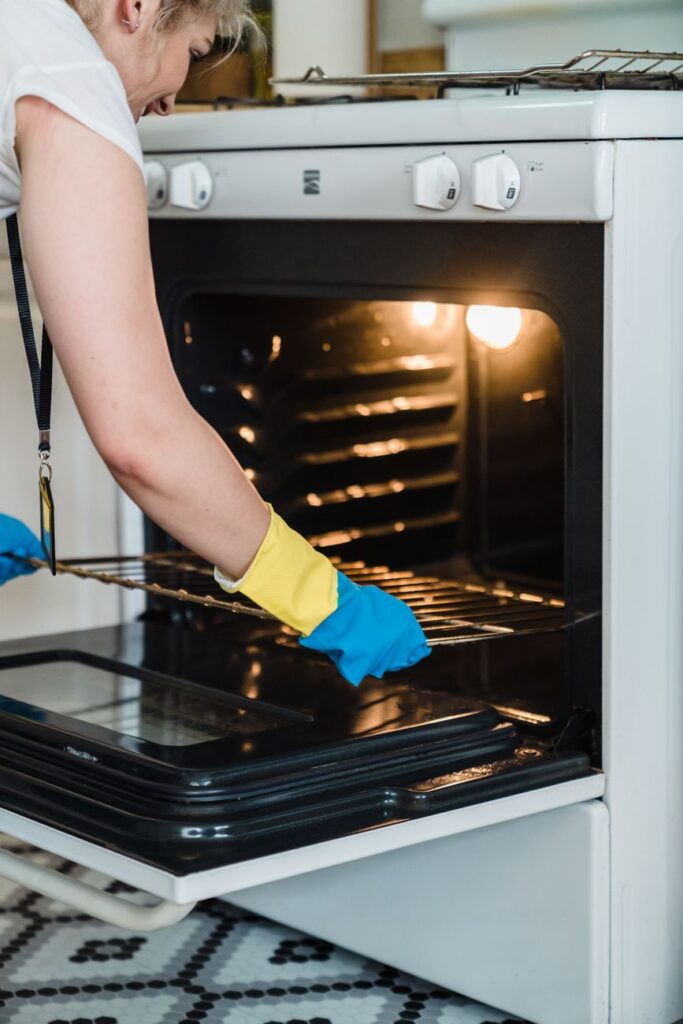
Oven Cleaner Residue Kitchen Guide Part 2
Introduction
Cleaning your kitchen can feel like a daunting task, especially when it comes to dealing with oven cleaner residue. This residue can leave your kitchen looking grimy and can even affect the taste of your food. In this guide, we’ll explore the causes of oven cleaner residue, why it happens, and most importantly, how to effectively remove it. We’ll also cover the best cleaning methods, common mistakes to avoid, and tips for prevention.
What Causes Kitchen Residue?
Oven cleaner residue typically results from the use of chemical cleaners that aren’t thoroughly wiped away after application. These cleaners often contain strong chemicals designed to break down grease and grime. If not properly cleaned, these chemicals can leave behind a sticky, unpleasant residue that can affect both your kitchen surfaces and your cooking.
Common Sources of Residue:
- Sprays and Foams: Many oven cleaners come in spray or foam form, which can be difficult to fully wipe away.
- Excess Product: Using more cleaner than necessary can lead to more residue.
- Poor Ventilation: Inadequate airflow can cause chemicals to settle on surfaces.
- Inadequate Wiping: Many homeowners don’t realize that they need to wipe away the cleaner thoroughly.
- Timing: Allowing the cleaner to dry on surfaces can create a harder-to-remove film.
- Improper Application: Applying cleaner in thick layers can make it difficult to clean off effectively.
- Baking soda
- White vinegar
- Warm water
- Soft cloths or sponges
- A spray bottle
- A scrub brush (optional)
Why This Problem Happens
Understanding why oven cleaner residue occurs can help you prevent it in the future. Here are some key reasons:
How to Fix Kitchen Residue (Step-by-Step)
Removing oven cleaner residue can be straightforward if you follow these steps:
Step 1: Gather Your Supplies
You’ll need:
Step 2: Prepare the Area
1. Ventilate: Open windows and turn on exhaust fans to ensure good airflow.
2. Clear Surfaces: Remove any items from countertops or shelves that may obstruct your cleaning.
Step 3: Create a Cleaning Solution
1. Mix Baking Soda Paste: Combine baking soda with a small amount of water to create a thick paste.
2. Prepare Vinegar Spray: Fill a spray bottle with equal parts white vinegar and warm water.
Step 4: Apply the Paste
1. Spread the Paste: Apply the baking soda paste directly onto the areas with residue.
2. Let it Sit: Allow the paste to sit for about 15-20 minutes. This will help break down the residue.
Step 5: Scrub the Area
1. Dampen a Cloth: Use a damp cloth or sponge to begin scrubbing the paste and residue.
2. Use a Scrub Brush: For stubborn spots, a scrub brush can help lift the residue more effectively.
Step 6: Rinse
1. Spray Vinegar Solution: After scrubbing, spray the vinegar solution over the area.
2. Wipe Clean: Use a clean damp cloth to wipe away the mixture, ensuring all residue is removed.
Step 7: Dry
1. Use a Dry Cloth: Wipe the area with a dry cloth to prevent any moisture from lingering.
Best Cleaning Methods
While the baking soda and vinegar method is effective, there are other methods you can consider:
1. Commercial Cleaners
If you prefer using commercial products, look for ones that are specifically designed to dissolve oven cleaner residue. Follow the manufacturer’s instructions for the best results.
2. Lemon Juice
Lemon juice is a natural degreaser. Apply it directly to the residue, let it sit, and wipe clean.
3. Dish Soap Solution
Mix a few drops of dish soap with warm water. Use this solution to scrub away residue, then rinse thoroughly.
Common Mistakes to Avoid
1. Not Following Instructions: Always read and follow the instructions on the cleaner’s label.
2. Using Abrasive Materials: Avoid steel wool or harsh scrubbers that can damage surfaces.
3. Skipping Rinsing: Failing to rinse off cleaning products can lead to further residue buildup.
4. Ignoring the Drying Time: Don’t let cleaners dry on surfaces; wipe them off while still wet.
Prevention Tips
Preventing oven cleaner residue is easier than dealing with it after the fact. Here are some proactive steps:
1. Use Less Product: Only use the amount necessary to tackle the job.
2. Wipe Immediately: Clean up your cleaner while it’s still wet to prevent residue.
3. Ventilate: Ensure proper airflow while cleaning to help dissipate chemical fumes.
4. Regular Maintenance: Clean your oven regularly to prevent heavy buildup that requires stronger cleaners.
Frequently Asked Questions
1. How often should I clean my oven?
Aim to clean your oven every three to six months, depending on how often you cook.
2. Can I use vinegar on all surfaces?
Vinegar is safe for most surfaces but avoid using it on natural stone or granite.
3. What if the residue doesn’t come off?
If the residue persists, repeat the cleaning process or consider using a stronger commercial cleaner.
4. Is it safe to use oven cleaner in a self-cleaning oven?
Always check your oven’s manual. Some self-cleaning ovens are not compatible with commercial oven cleaners.
5. Can I mix cleaning products for better results?
Never mix cleaning products, especially those containing bleach and ammonia, as this can create toxic fumes.
6. What’s the best way to store leftover cleaning supplies?
Store cleaning supplies in a cool, dry place, away from direct sunlight and out of reach of children.
By following this guide, you’ll not only effectively remove oven cleaner residue but also keep your kitchen clean and safe for cooking. Regular maintenance and careful cleaning practices can save you time and effort in the long run. Happy cleaning!