
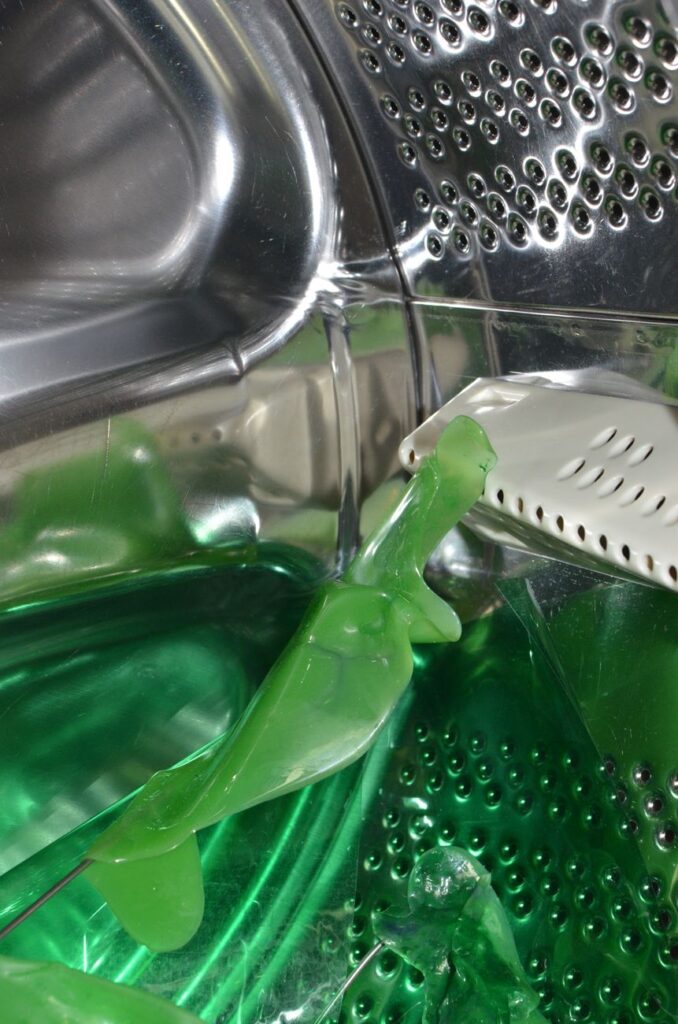
Mouldy Washing Machine Bathroom Guide Part 2
Introduction
A mouldy washing machine can be a frustrating issue, especially when it affects your bathroom. Not only does it create an unpleasant smell, but it can also lead to health concerns. In this guide, we will explore the causes of mould growth, provide step-by-step cleaning methods, and offer prevention tips to keep your washing machine and bathroom mould-free.
What Causes Bathroom Mould?
Mould thrives in damp, warm environments, making bathrooms an ideal breeding ground. The washing machine, particularly when situated in the bathroom, can contribute to this problem. Here are the main causes:
1. High Humidity: Bathrooms often have high humidity levels, especially after showers.
2. Poor Ventilation: Lack of airflow can trap moisture, creating a conducive environment for mould.
3. Water Leaks: Leaky pipes or fittings can introduce excess moisture.
4. Dirty Washing Machines: Residue from detergent and fabric softeners can build up and encourage mould growth.
Why This Problem Happens
Understanding why your washing machine becomes mouldy is crucial in tackling the problem effectively. The combination of moisture, warmth, and organic material (like detergent residues) provides everything mould needs to thrive. When washing machines are not in use, they may retain moisture in seals and dispensers, creating a perfect habitat for mould spores. Additionally, if your bathroom lacks proper ventilation, the humidity from your washing machine can contribute to an overall damp environment.
How to Fix Bathroom Mould (Step-by-Step)
Step 1: Gather Your Supplies
Before starting, gather the following cleaning supplies:
- Baking soda
- White vinegar
- A scrub brush or sponge
- Microfiber cloths
- An old toothbrush
- Rubber gloves
- A spray bottle
- Baking Soda Paste: For tough mould stains, mix baking soda and water into a paste. Apply it to the affected areas, let it sit for about 30 minutes, and scrub.
- Hydrogen Peroxide: If vinegar doesn’t do the trick, use hydrogen peroxide as a stronger alternative. Apply it to the mouldy areas and let it sit for 10 minutes before scrubbing.
- Commercial Cleaners: There are many commercial mould removers available. Look for ones specifically designed for washing machines, but always follow the manufacturer’s instructions.
- Ensure Proper Ventilation: Install an exhaust fan or open windows while showering to reduce humidity.
- Use a Dehumidifier: Consider using a dehumidifier in your bathroom to keep moisture levels low.
- Wipe Down Surfaces: After each use, wipe down surfaces to remove excess moisture.
- Use Mould Inhibitors: Some washing machine cleaners contain mould inhibitors that can help reduce growth.
- Regular Cleaning Schedule: Establish a routine for cleaning your washing machine and bathroom to keep mould at bay.
Step 2: Empty the Washing Machine
Remove any clothes from the washing machine. Check for any hidden items in the drum that may be contributing to moisture retention.
Step 3: Prepare a Cleaning Solution
Mix equal parts of white vinegar and water in a spray bottle. This natural solution will help break down mould and mildew.
Step 4: Apply the Cleaning Solution
Spray the affected areas inside the washing machine, focusing on the rubber door seal, detergent drawer, and any visible mould patches. Let it sit for about 15-20 minutes.
Step 5: Scrub the Affected Areas
Using a scrub brush or an old toothbrush, gently scrub the mouldy areas. Pay special attention to the rubber seal, as mould tends to build up in the crevices.
Step 6: Rinse Thoroughly
Wipe down all surfaces with a damp microfiber cloth to remove any residue from the vinegar solution.
Step 7: Run a Cleaning Cycle
After cleaning, run an empty cycle on the hottest setting with a cup of white vinegar. This step helps to disinfect the interior and remove any lingering smells.
Step 8: Dry the Machine
After the cycle, leave the door open for a few hours to allow the interior to dry completely. This will help prevent future mould growth.
Best Cleaning Methods
Common Mistakes to Avoid
1. Using Too Much Detergent: Overloading your washing machine with detergent can lead to residue buildup.
2. Ignoring Seals and Drawers: Many homeowners forget to clean the rubber seals and detergent drawers, where mould often hides.
3. Leaving the Door Closed: Always leave the door ajar after use to promote airflow.
4. Neglecting Regular Maintenance: Cleaning your washing machine and bathroom regularly can prevent mould from becoming a recurring problem.
Prevention Tips
Frequently Asked Questions
1. How often should I clean my washing machine to prevent mould?
Aim to clean your washing machine at least once a month.
2. Can I use bleach to clean mould in my washing machine?
While bleach can kill mould, it may not be the best choice for washing machines as it can damage components. Stick to vinegar or baking soda for safer alternatives.
3. What are the signs that my washing machine has mould?
Look for visible black or green spots, a musty smell, or dampness around the rubber seal and detergent drawer.
4. Is it safe to run a cleaning cycle with vinegar?
Yes, running a cycle with vinegar is safe and helps to disinfect the machine.
5. How can I tell if my bathroom is too humid?
If you notice condensation on mirrors, damp walls, or a musty smell, your bathroom may have high humidity levels.
6. Do I need to call a professional for mould removal?
For minor mould issues, DIY cleaning is often sufficient. However, if the mould problem is extensive, consider consulting a professional.
By following this guide, you can effectively tackle mould in your washing machine and bathroom, ensuring a cleaner and healthier home.