
Mouldy Shower Tiles Stains Guide Part 2
Introduction
Mouldy shower tiles can be an unsightly and frustrating issue for homeowners. Not only do they detract from the aesthetic appeal of your bathroom, but they can also pose cleanliness concerns. This guide aims to equip you with practical solutions to tackle and prevent stains on your shower tiles, ensuring a clean and inviting space.
What Causes Stains?
Mould stains primarily occur due to the following reasons:
- Moisture: High humidity levels in bathrooms provide an ideal breeding ground for mould and mildew.
- Poor Ventilation: Insufficient airflow can trap moisture, making it easier for mould to thrive.
- Soap Residue: Soap scum can accumulate on tiles, providing nutrients for mould growth.
- Hard Water: Minerals in hard water can leave behind stains that contribute to a dull appearance.
- Rubber gloves
- Scrub brush or old toothbrush
- Bucket
- Spray bottle
- Cleaning solution (vinegar, baking soda, or commercial mould remover)
- Microfiber cloths or sponges
- Spray the vinegar solution or apply the baking soda paste directly onto the stained areas.
- Allow the solution to sit for at least 10-15 minutes to break down the mould and stains.
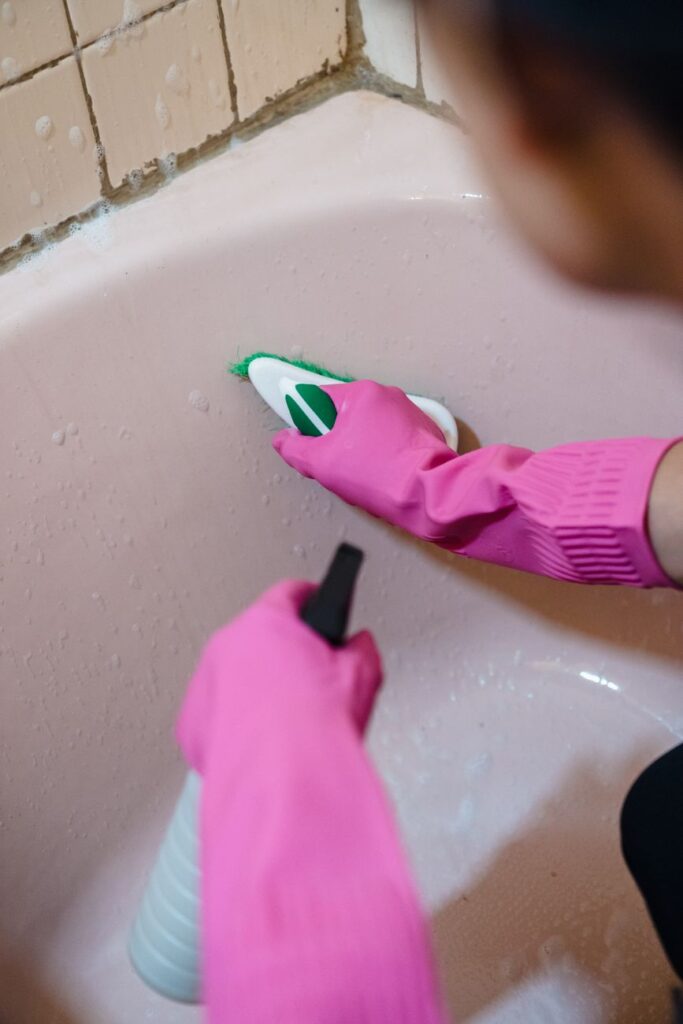
- Use a scrub brush or old toothbrush to scrub the stained tiles and grout lines.
- Apply more cleaner if necessary, and scrub until the stains lift.
- Rinse the tiles with warm water to remove any residue from the cleaning solution.
- Use a microfiber cloth or sponge to wipe the tiles dry.
- Check the tiles for any remaining stains. If necessary, repeat the process until all stains are removed.
Understanding these causes can help you address the root issues effectively.
Why This Problem Happens
The combination of warmth and moisture in a bathroom creates a perfect environment for mould growth. If your shower tiles are not cleaned regularly, soap residue and body oils can build up, further exacerbating the issue. Additionally, areas that are frequently neglected, such as grout lines, can become particularly prone to mould stains.
How to Fix Stains (Step-by-Step)
Step 1: Gather Your Supplies
Before you start cleaning, gather the following supplies:
Step 2: Prepare the Area
1. Ventilate the Room: Open a window or turn on the exhaust fan to improve airflow.
2. Remove Items: Take out any toiletries or items from the shower to avoid damage.
Step 3: Apply Cleaning Solution
1. For Vinegar Solution: Mix equal parts of white vinegar and water in a spray bottle.
2. For Baking Soda Paste: Combine baking soda with a small amount of water to form a thick paste.
3. For Commercial Cleaner: Follow the instructions on the label.
Step 4: Spray or Apply the Cleaner
Step 5: Scrub the Tiles
Step 6: Rinse Thoroughly
Step 7: Inspect and Repeat
Best Cleaning Methods
1. Vinegar and Baking Soda: This natural combination is effective in breaking down mould and soap scum.
2. Hydrogen Peroxide: A 3% solution can be sprayed on stained areas to kill mould spores.
3. Bleach Solution: For severe mould stains, mix one part bleach with ten parts water. Use sparingly, as bleach can damage some surfaces.
4. Commercial Mould Removers: These products are specifically formulated to combat mould, but always follow the instructions closely.
Common Mistakes to Avoid
1. Using Abrasive Cleaners: Avoid scouring pads or harsh chemicals that can scratch or damage tiles.
2. Neglecting Grout Lines: Many homeowners focus only on tiles and forget about grout, where mould often hides.
3. Not Rinsing Thoroughly: Failing to rinse off cleaning products can leave residue that attracts more dirt and mould.
4. Ignoring Ventilation: After cleaning, continue to ventilate the space to prevent future mould growth.
Prevention Tips
1. Improve Ventilation: Install an exhaust fan or keep a window open while showering to reduce humidity levels.
2. Squeegee After Use: Use a squeegee to wipe down tiles after each shower, minimizing moisture accumulation.
3. Regular Cleaning: Establish a cleaning routine to keep tiles and grout free from soap scum and mould.
4. Use Mould-Resistant Products: Consider using mould-resistant shower curtains, caulk, and paints to help prevent mould growth.
Frequently Asked Questions
1. How often should I clean my shower tiles?
Aim to clean your shower tiles at least once a week to prevent mould build-up and maintain cleanliness.
2. Can I use bleach on all types of tiles?
No, bleach can damage certain tiles, like natural stone. Always check the manufacturer’s guidelines before use.
3. What’s the best way to clean grout?
A mixture of baking soda and vinegar is effective for cleaning grout. Apply, scrub, and rinse thoroughly.
4. Will a steam cleaner help with mould stains?
Yes, a steam cleaner can effectively kill mould spores and loosen stains without the use of harsh chemicals.
5. Can I prevent mould without chemicals?
Yes, using natural solutions like vinegar and baking soda can be effective for cleaning and preventing mould without harsh chemicals.
6. What should I do if the stains persist?
If stains remain after multiple cleanings, consider consulting a professional cleaner who specializes in mould removal.
By following the steps outlined in this guide, you can effectively tackle mouldy shower tile stains and keep your bathroom looking fresh and clean. Remember, prevention is key, so make cleanliness a regular part of your bathroom routine.