
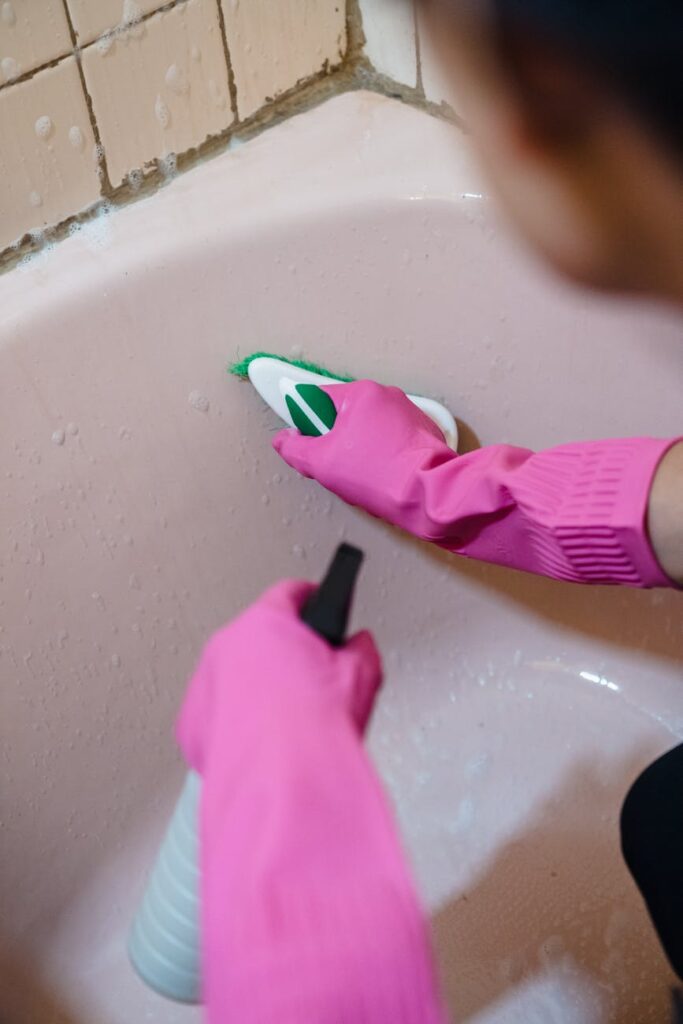
Mouldy Shower Tiles Stains Guide Part 1
Introduction
Mouldy shower tiles can be a frustrating problem for homeowners. Not only do they look unappealing, but they can also lead to further damage if not addressed promptly. This guide aims to provide practical solutions to help you tackle mould stains effectively, ensuring your shower stays clean and inviting.
What Causes Stains?
Mould and mildew thrive in damp environments, making your shower an ideal breeding ground. Common culprits include:
- High Humidity: Showers create steam, which increases humidity levels.
- Poor Ventilation: Lack of airflow allows moisture to linger on tiles.
- Soap Scum: Residue from body washes and soaps provides an organic material for mould to feed on.
- Hard Water: Mineral deposits from hard water can create a perfect surface for mould growth.
- Moisture Retention: After a shower, water droplets cling to tiles and grout, creating a wet environment.
- Infrequent Cleaning: Neglecting regular cleaning allows mould and mildew to establish themselves.
- Temperature Fluctuations: Warm surfaces from hot showers can attract condensation, contributing to mould growth.
- Baking soda
- White vinegar
- Spray bottle
- Scrub brush or old toothbrush
- Microfiber cloths
- Gloves
- Squeegee
- Using Abrasive Tools: Steel wool or harsh scrubbers can scratch tiles, making stains worse.
- Not Rinsing Properly: Always rinse thoroughly after using cleaning products to prevent residue buildup.
- Ignoring Grout: Mould often hides in grout lines, so don’t overlook this area during cleaning.
- Inconsistent Cleaning: Regular maintenance is key. Don’t wait until mould is visible to clean your shower.
- Ventilate: Keep the bathroom well-ventilated. Open windows or use an exhaust fan during and after showers.
- Regular Cleaning: Establish a cleaning routine. Wipe down tiles weekly to prevent mould buildup.
- Use Squeegee: After each shower, use a squeegee to remove water from tiles and prevent moisture retention.
- Seal Grout: Consider sealing grout lines to create a barrier against moisture and stains.
Why This Problem Happens
Understanding the root cause of mouldy shower tiles is crucial for prevention and effective cleaning.
How to Fix Stains (Step-by-Step)
Step 1: Gather Your Materials
Before you begin, gather the following supplies:
Step 2: Prepare the Area
Ensure the shower is well-ventilated. Open a window or turn on the exhaust fan to minimize fumes from cleaning agents.
Step 3: Apply a Cleaning Solution
1. Baking Soda Paste: Mix baking soda with a small amount of water to create a thick paste.
2. Vinegar Spray: Fill a spray bottle with equal parts white vinegar and water.
Step 4: Treat the Stains
1. Apply Baking Soda: Spread the baking soda paste directly onto the mouldy areas of the tiles and grout.
2. Spray with Vinegar: Lightly spray the vinegar solution over the baking soda. You’ll notice fizzing; this reaction helps lift the stains.
3. Let It Sit: Allow the mixture to sit for about 10–15 minutes.
Step 5: Scrub the Area
Using a scrub brush or old toothbrush, vigorously scrub the stained areas. Focus on grout lines where mould tends to accumulate.
Step 6: Rinse and Dry
Rinse the tiles with warm water to remove the cleaning solution. Use a microfiber cloth to dry the tiles thoroughly.
Step 7: Squeegee
After showering, use a squeegee to remove excess water from the tiles. This will help reduce moisture buildup.
Best Cleaning Methods
1. Baking Soda and Vinegar
This classic combination is effective for stubborn mould stains. The abrasiveness of baking soda combined with the acidity of vinegar creates a powerful cleaning agent.
2. Hydrogen Peroxide
For tougher stains, use a solution of hydrogen peroxide (3% concentration). Spray it directly on the stains, let it sit for 10 minutes, and scrub before rinsing.
3. Commercial Cleaners
If natural methods fail, consider using a commercial mould remover. Ensure it’s safe for your tile type and follow the manufacturer’s instructions for use.
Common Mistakes to Avoid
Prevention Tips
Frequently Asked Questions
1. How often should I clean my shower tiles?
Aim to clean your shower tiles at least once a week to prevent mould buildup.
2. Can I use bleach to remove mould stains?
While bleach can remove mould, it can also damage grout and tiles. Use it sparingly and ensure proper ventilation.
3. What type of tiles are best for preventing mould?
Porcelain and ceramic tiles are less porous and tend to resist mould better than natural stone tiles.
4. How can I tell if I have mould or just soap scum?
Mould typically appears as dark, fuzzy spots, while soap scum is usually a dull, filmy residue. If in doubt, try cleaning a small area; mould will not lift easily.
5. Is it safe to mix cleaning products?
Never mix cleaning products, especially bleach and ammonia, as this can create harmful gases. Stick to one product at a time.
6. What should I do if mould keeps coming back?
If mould continues to return, consider checking for leaks or inadequate ventilation. You may also want to consult a professional for persistent issues.
With the right techniques and prevention strategies, you can keep your shower tiles clean and free from mould stains. Stay tuned for Part 2, where we will delve deeper into advanced cleaning techniques and maintenance tips!