
Mouldy Shower Tiles Odours Guide Part 2
Introduction
Mouldy shower tiles can turn your once-inviting bathroom into a smelly, unpleasant space. The odours emanating from these tiles not only affect your comfort but can also signal deeper cleaning issues. In this guide, we’ll explore the causes of these odours, how to effectively eliminate them, and prevention tips to keep your bathroom fresh.
What Causes Odours?
The primary cause of odours from mouldy shower tiles is the growth of mould and mildew. This occurs in damp and humid environments, making bathrooms ideal breeding grounds for these fungi. Here are some common contributors:
- Moisture: Excessive water from showers can linger on tiles and grout.
- Poor Ventilation: Lack of airflow allows humidity to build up.
- Organic Matter: Soap scum, shampoo residue, and hair can provide food for mould.
- Temperature Fluctuations: Warm, damp conditions promote mould growth.
- Baking soda
- White vinegar
- An old toothbrush or scrubbing brush
- Spray bottle
- Microfiber cloths
- Rubber gloves
- Ventilation: Use an exhaust fan during and after showers to reduce humidity.
- Squeegee After Use: Squeegee tiles after each use to remove excess water.
- Regular Cleaning: Establish a regular cleaning routine, ideally weekly, to keep mould at bay.
- Use Mould-Resistant Products: Consider using mould-resistant paint or grout in your bathroom renovation.
Why This Problem Happens
Understanding why mouldy odours occur is crucial for effective cleaning. Here are the main reasons:
1. Humidity Levels: High humidity levels in your bathroom create an ideal environment for mould.
2. Clogged Drains: Slow draining water can pool and contribute to mould growth.
3. Neglected Cleaning: Regular cleaning is essential to keep mould at bay. Skipping this task can lead to a buildup of grime and odour.
How to Fix Odours (Step-by-Step)
To tackle mouldy shower tile odours, follow these actionable steps:
Step 1: Gather Your Supplies
You will need:
Step 2: Prepare the Area
Ensure the bathroom is well-ventilated. Open windows and doors, and turn on the exhaust fan if available.
Step 3: Apply Baking Soda
Sprinkle baking soda directly onto the affected tiles. Baking soda is a natural deodorizer that helps absorb odours.
Step 4: Create a Vinegar Solution
In a spray bottle, mix equal parts white vinegar and water. Spray the solution generously on the tiles and grout. The acidity of the vinegar helps break down mould.
Step 5: Scrub the Tiles
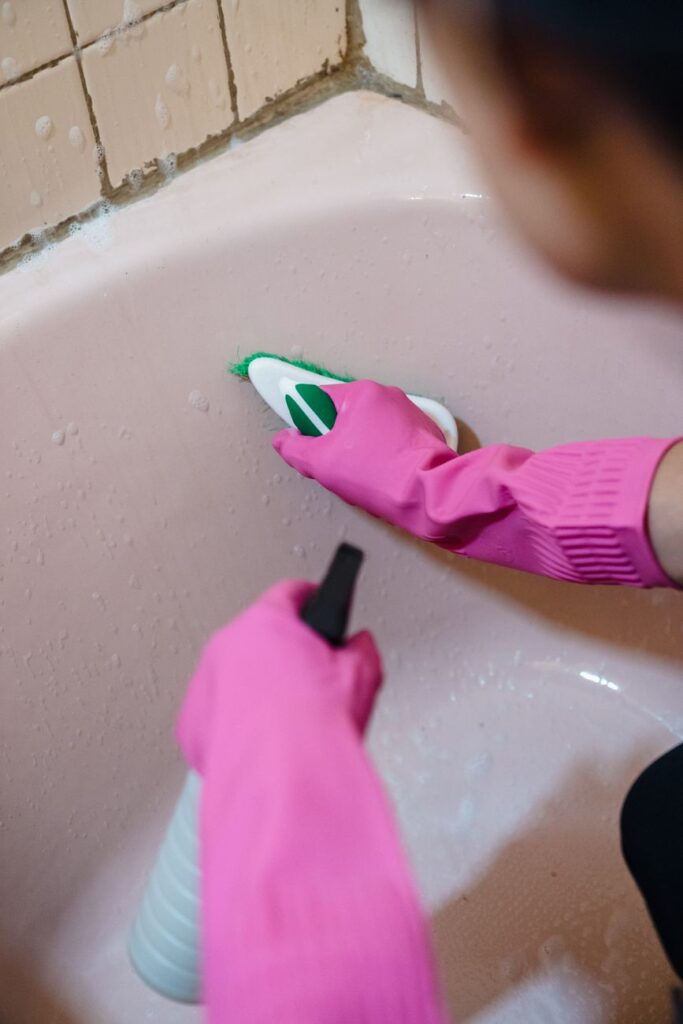
Using your toothbrush or scrubbing brush, gently scrub the tiles and grout. Focus on areas with visible mould. The combination of baking soda and vinegar will create a fizzing reaction that lifts dirt.
Step 6: Rinse Thoroughly
After scrubbing, rinse the tiles with warm water to remove any residue.
Step 7: Dry the Area
Use a microfiber cloth to dry the tiles completely. This step is crucial in preventing future mould growth.
Best Cleaning Methods
When it comes to cleaning mouldy shower tiles, various methods can be effective:
1. Baking Soda and Vinegar
This combination is a classic due to its effectiveness and eco-friendliness.
2. Commercial Mould Cleaners
If natural solutions don’t work, consider using a commercial mould cleaner. Always follow the manufacturer’s instructions and wear gloves.
3. Hydrogen Peroxide
For stubborn mould, a mixture of hydrogen peroxide and water can be applied. Allow it to sit for 10-15 minutes before scrubbing.
4. Steam Cleaning
A steam cleaner can effectively eliminate mould without the need for harsh chemicals. It’s particularly useful for tiles and grout lines.
Common Mistakes to Avoid
Avoid these pitfalls when dealing with mouldy shower tiles:
1. Not Scrubbing Enough: Simply spraying cleaner isn’t enough. Always scrub to ensure mould is removed.
2. Using Bleach Incorrectly: While bleach can kill mould, it doesn’t remove it, leading to regrowth. Use it as a last resort.
3. Ignoring Grout Lines: Mould often thrives in grout lines. Make sure to address these areas specifically.
4. Not Drying Tiles: Leaving tiles wet contributes to mould regrowth. Always dry the area after cleaning.
Prevention Tips
Preventing mouldy odours in your shower starts with proactive measures:
Frequently Asked Questions
1. How can I tell if I have mould on my shower tiles?
Look for dark spots or patches on tiles and grout. A musty odour is also a strong indicator of mould presence.
2. Can I prevent mould from coming back?
Yes, by ensuring proper ventilation, regular cleaning, and keeping tiles dry, you can significantly reduce the chances of mould returning.
3. Is it safe to use bleach on mouldy tiles?
While bleach can kill mould, it doesn’t remove it. It’s best to use it sparingly and in conjunction with scrubbing.
4. What’s the best way to clean grout?
A paste of baking soda and water works well. Scrub with a brush, and rinse thoroughly.
5. How often should I clean my shower?
Aim for weekly cleanings to prevent mould and odours. Adjust frequency based on usage and humidity levels.
6. Can I use essential oils to eliminate shower odours?
Essential oils like tea tree or lavender can be added to cleaning solutions for a pleasant scent and additional antifungal properties.
By following these guidelines, you can effectively tackle odours from mouldy shower tiles and maintain a fresh, inviting bathroom. Regular maintenance and cleaning will ensure your space remains a sanctuary rather than a source of frustration.