
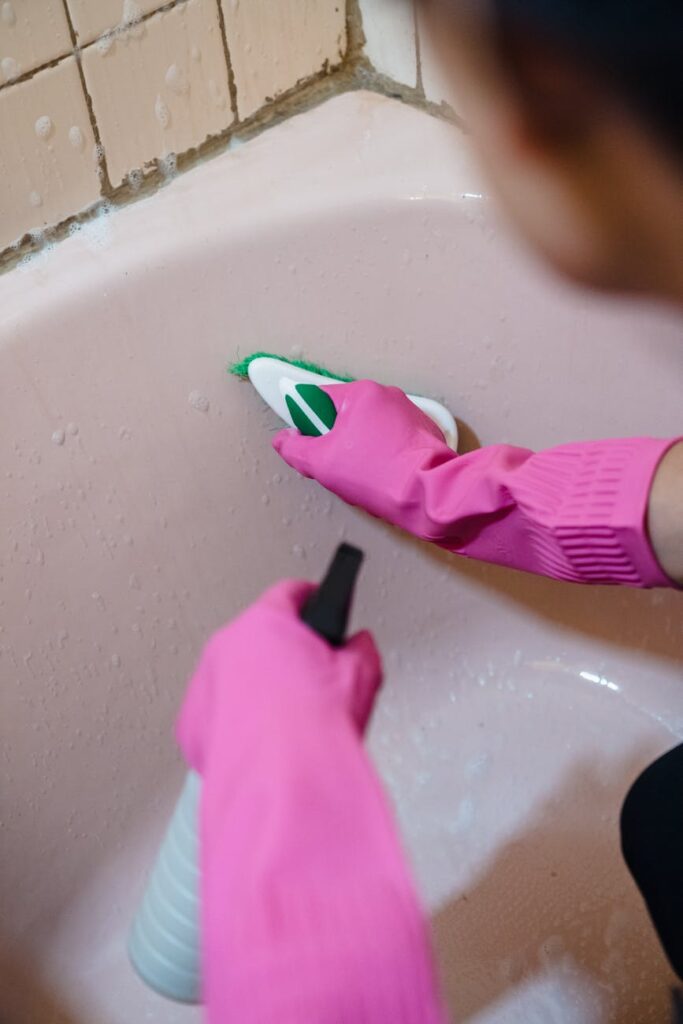
Mouldy Shower Tiles Odours Guide Part 1
Introduction
If you’ve ever stepped into your bathroom and been greeted by a musty smell, you know how unpleasant it can be. Mouldy shower tiles not only generate odours but can also be an eyesore. Understanding the causes of these odours and how to effectively manage them is essential for maintaining a clean and healthy home. In this guide, we’ll explore the origins of shower tile odours, how to eliminate them, and tips for preventing future issues.
What Causes Odours?
The primary culprit for mouldy odours in shower tiles is mould and mildew. These fungi thrive in damp, humid environments, making your bathroom an ideal breeding ground. Water that collects in grout lines, corners, and behind tiles can lead to a buildup of mould, which emits a musty smell.
Other factors contributing to shower odours include:
- Poor ventilation: Lack of airflow allows moisture to linger.
- Soap scum: Residue from soaps and shampoos can trap moisture and organic matter.
- Hard water deposits: These can create a breeding ground for bacteria and fungi.
- Rubber gloves
- Scrub brush or sponge
- Bucket
- Vinegar
- Baking soda
- Hydrogen peroxide
- Commercial mould remover (optional)
- Old toothbrush (for grout)
- Neglecting Regular Cleaning: Skipping routine cleaning allows mould to flourish.
- Using Too Much Water: Excessive water during cleaning can contribute to mould growth.
- Not Drying Properly: Failing to dry the area can lead to a quick return of mould.
- Ignoring Grout and Caulk: Focus only on tiles and neglecting grout and caulk can allow mould to persist.
- Using Harsh Chemicals: Stripping tiles of protective coatings can lead to damage and more odours.
Why This Problem Happens
Understanding why mouldy odours occur can help you tackle the issue effectively. Here are some common reasons:
1. Humidity: Bathrooms are naturally humid due to steaming showers and baths. If not properly managed, this moisture can lead to mould growth.
2. Inadequate Cleaning: Skipping regular cleaning routines allows soap scum and moisture to accumulate, creating a perfect environment for mould.
3. Old Grout and Caulk: Over time, grout and caulk can crack or wear down, allowing water to seep through and encouraging mould growth.
4. Clogged Drains: If your shower drain isn’t draining properly, stagnant water can lead to foul odours.
How to Fix Odours (Step-by-Step)
Step 1: Gather Your Supplies
Before you start cleaning, gather these supplies:
Step 2: Ventilate the Area
Open a window or turn on the bathroom fan to improve airflow. This will help reduce humidity and make the cleaning process more effective.
Step 3: Prepare a Cleaning Solution
Mix equal parts of vinegar and water in a spray bottle. For tough mould, you can use hydrogen peroxide instead. Baking soda can also be used for scrubbing.
Step 4: Apply the Solution
Spray the affected areas generously with your cleaning solution. Let it sit for at least 15 minutes to penetrate the mould and mildew.
Step 5: Scrub the Tiles and Grout
Using a scrub brush or sponge, scrub the tiles and grout to remove the mould. For grout lines, an old toothbrush works well to get into tight spaces.
Step 6: Rinse Thoroughly
After scrubbing, rinse the area with warm water to remove any remaining cleaning solution and mould residues.
Step 7: Dry the Area
Use a towel or squeegee to dry the tiles and grout. This step is crucial, as leaving moisture can lead to new mould growth.
Best Cleaning Methods
While the vinegar solution is effective, consider the following cleaning methods for stubborn odours:
1. Baking Soda Paste: Mix baking soda and water to create a paste. Apply it to the affected areas, let it sit for 30 minutes, and scrub away.
2. Commercial Mould Remover: If natural solutions don’t work, opt for a commercial mould remover. Follow the manufacturer’s instructions for best results.
3. Steam Cleaning: A steam cleaner can effectively kill mould spores and remove odours without chemicals.
4. Bleach Solution: For severe mould issues, a diluted bleach solution (1 cup of bleach to 1 gallon of water) can be effective. Use this method with caution and ensure proper ventilation.
Common Mistakes to Avoid
To effectively tackle mouldy shower tiles and their odours, avoid these common pitfalls:
Prevention Tips
Preventing mouldy odours is easier than dealing with them after they occur. Implement these practices:
1. Improve Ventilation: Use an exhaust fan or open a window to reduce humidity levels.
2. Wipe Down Surfaces: After each shower, use a squeegee or towel to remove excess water from tiles and glass.
3. Regular Cleaning Schedule: Clean your shower at least once a week to prevent mould buildup.
4. Seal Grout and Caulk: Regularly check and reseal grout and caulk to prevent moisture from seeping through.
5. Fix Leaks: Address any leaks in pipes or fixtures promptly to reduce moisture.
6. Use Mould-Resistant Products: Consider using mould-resistant paint and grout for long-lasting protection.
Frequently Asked Questions
1. How often should I clean my shower to prevent mould odours?
Aim for at least once a week. Regular maintenance keeps mould at bay and reduces odours.
2. Can I use vinegar on all types of tiles?
Vinegar is effective on most tiles but may not be suitable for natural stone. Always check your tile material before using vinegar.
3. What is the best way to remove mould from grout?
A paste of baking soda and water, or a commercial mould remover, can effectively clean grout. Scrub with an old toothbrush for best results.
4. Is bleach safe for cleaning shower tiles?
Bleach can be effective but should be used with caution. Ensure proper ventilation and never mix it with other cleaning products.
5. What should I do if the odour persists after cleaning?
If odours remain, check for hidden mould behind tiles or in drains. Consider professional cleaning services if the problem continues.
6. Can I prevent mould with daily shower sprays?
Yes, using a daily shower spray can help prevent mould buildup by keeping tiles clean and dry.
By understanding the causes and solutions for mouldy shower tile odours, you can effectively manage and prevent this common household issue. Regular cleaning and maintenance are key to keeping your bathroom fresh and inviting. Stay tuned for Part 2, where we will delve deeper into advanced cleaning techniques and product recommendations.