
Mouldy Shower Tiles Mould & Damp Guide Part 2
Introduction
Mouldy shower tiles can be a frustrating issue for homeowners. Not only does it look unappealing, but it can also pose problems for hygiene and overall health. In this guide, we’ll explore the causes of mould and dampness, effective cleaning methods, and tips to prevent it from returning. Let’s dive in and reclaim your shower space.
What Causes Mould & Damp?
Mould thrives in damp, warm environments, making your shower an ideal breeding ground. Several factors contribute to mould growth on shower tiles:
- Humidity: High humidity levels in bathrooms can lead to excess moisture.
- Poor Ventilation: Lack of airflow allows moisture to linger.
- Water Stains: Residual water on tiles can promote mould growth.
- Soap Scum and Residue: Organic matter from soaps and shampoos can provide nutrients for mould.
- Rubber gloves
- A mask to avoid inhaling spores
- Scrub brush or sponge
- Spray bottle
- Cleaning solutions (options include vinegar, baking soda, or commercial mould cleaners)
- Grout sealer (for after cleaning)
- Ventilate: Open windows and turn on the bathroom fan to improve airflow.
- Remove Items: Take out shampoo bottles, soap dishes, and other items from the shower.
- Vinegar Solution: Mix equal parts of white vinegar and water in a spray bottle. Spray generously on the affected tiles and grout.
- Baking Soda Paste: For stubborn mould, create a paste with baking soda and water. Apply it directly to the mouldy areas.
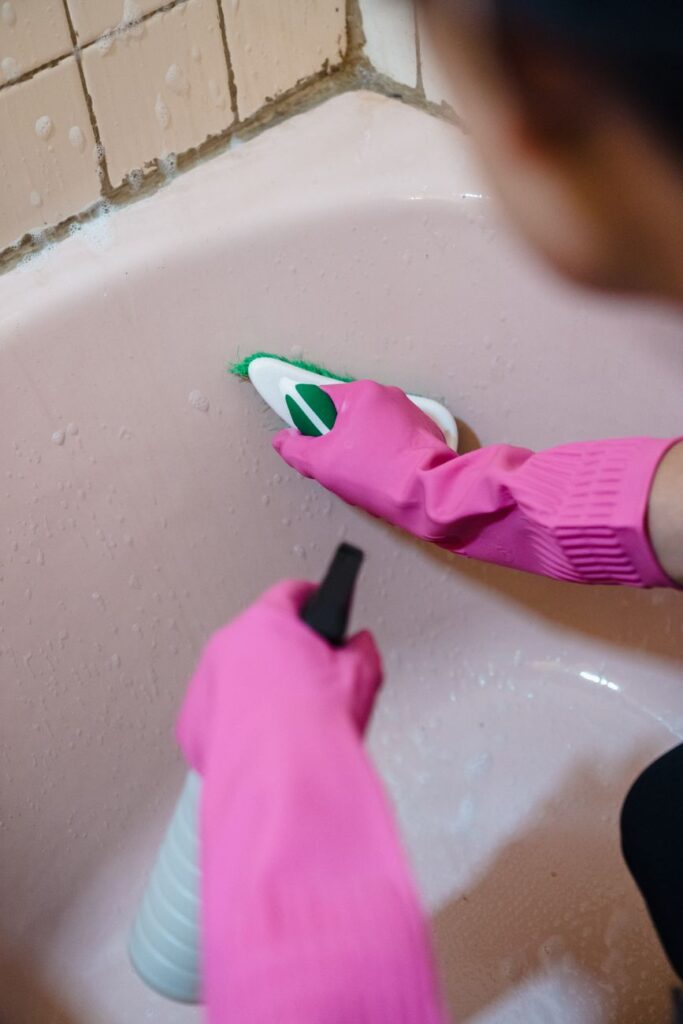
- Use a scrub brush or sponge to work the cleaning solution into the tiles and grout. Focus on corners and grout lines where mould tends to accumulate.
- Rinse the tiles thoroughly with warm water to remove any cleaning residue. Wipe down with a dry cloth to eliminate excess moisture.
- Once the tiles are clean and dry, consider applying a grout sealer to protect against future mould growth.
- Vinegar: A natural disinfectant that kills mould spores. Spray and let it sit for at least 30 minutes before rinsing.
- Baking Soda: Acts as a mild abrasive, making it effective for scrubbing. Mix with water to form a paste.
- Bleach: While effective, it can damage grout and tiles over time. Use it as a last resort and ensure good ventilation.
- Commercial Mould Cleaners: For severe cases, consider a commercial product designed specifically for mould removal. Follow manufacturer instructions carefully.
- Improve Ventilation: Install an exhaust fan or open windows during and after showers to reduce humidity.
- Wipe Down Surfaces: After each shower, use a squeegee or towel to wipe down tiles and prevent water buildup.
- Regular Cleaning: Establish a routine cleaning schedule to keep mould at bay.
- Use Mould-Resistant Products: Consider mould-resistant paint or sealants for tiles and grout.
- Monitor for Leaks: Regularly check for leaks in faucets and pipes that may contribute to dampness.
Understanding these causes is the first step in effectively tackling mould on shower tiles.
Why This Problem Happens
Mould and dampness often go hand-in-hand, and there are a few reasons why this issue persists in the shower:
1. Condensation: Showers generate steam, which condenses on cool surfaces, creating a perfect environment for mould.
2. Neglected Maintenance: Regular cleaning can be overlooked, allowing mould to establish itself.
3. Water Leaks: Hidden leaks can create dampness behind tiles, promoting mould growth.
4. Inadequate Cleaning Products: Using ineffective cleaning products can leave behind residues that encourage mould.
Recognizing these underlying issues will help you address mould effectively.
How to Fix Mould & Damp (Step-by-Step)
Step 1: Gather Your Supplies
To tackle mould, you’ll need:
Step 2: Prepare the Area
Step 3: Apply Cleaning Solution
Step 4: Scrub the Tiles
Step 5: Rinse and Dry
Step 6: Seal Grout (Optional)
Best Cleaning Methods
Several effective methods can help you keep mould at bay:
Common Mistakes to Avoid
1. Using the Wrong Products: Avoid using products that can damage tiles or grout, such as abrasive cleaners or bleach in high concentrations.
2. Neglecting Grout: Focus only on tiles and forget about the grout, which can harbour mould.
3. Not Ventilating: Failing to ventilate the bathroom during and after cleaning can trap moisture.
4. Allowing Residues: Leaving behind soap scum or cleaning product residues can encourage mould growth.
By avoiding these pitfalls, you can effectively combat mould and prolong the life of your shower tiles.
Prevention Tips
Taking proactive measures can help prevent mould from returning:
Frequently Asked Questions
1. How often should I clean my shower tiles?
Aim to clean your shower tiles at least once a week to prevent mould buildup.
2. Can I use bleach to remove mould?
Bleach can be effective, but it may damage grout and tiles. Use it sparingly and ensure proper ventilation.
3. What if I have persistent mould on my grout?
Consider regrouting your tiles if mould continues to be a problem despite cleaning.
4. Are there natural alternatives to commercial mould cleaners?
Yes, vinegar and baking soda are effective natural alternatives for cleaning mould.
5. How can I improve ventilation in my bathroom?
Installing an exhaust fan or adding a window can significantly improve ventilation.
6. What are the signs of a more serious damp problem?
If you notice a persistent musty smell, peeling paint, or water stains on walls, it may indicate a more serious damp problem requiring professional help.
By following these guidelines, you can effectively tackle mouldy shower tiles and create a cleaner, healthier bathroom environment. Regular maintenance combined with the right cleaning methods will ensure that mould stays away for good.