
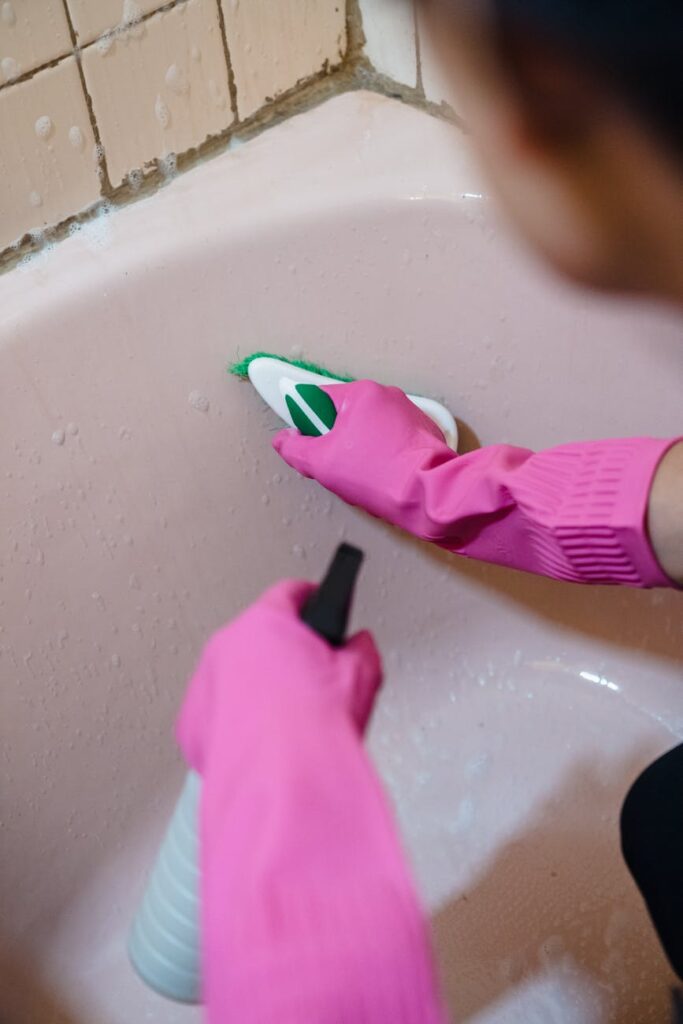
Mouldy Shower Tiles Mould & Damp Guide Part 1
Introduction
Mouldy shower tiles can be a frustrating problem for homeowners. Not only do they look unsightly, but they can also lead to more significant issues if left untreated. This guide aims to help you understand the causes of mould and damp in your shower, how to effectively tackle the problem, and ways to prevent it from returning.
What Causes Mould & Damp?
Mould thrives in damp, humid environments, making your shower an ideal breeding ground. The primary causes of mould and damp in shower tiles include:
- Poor Ventilation: Lack of airflow allows moisture to accumulate.
- Water Leaks: Leaking pipes or fixtures can create damp spots.
- High Humidity: Bathrooms naturally have high humidity, especially during hot showers.
- Infrequent Cleaning: Dirt and soap residue provide a food source for mould spores.
- Rubber gloves
- A mask (to avoid inhaling spores)
- Scrub brush or old toothbrush
- Bucket
- Spray bottle
- Cleaning solution (store-bought or homemade)
- Sponge or cloth
- Grout sealer (if needed)
- Remove any items from the shower, including shampoo bottles and loofahs.
- Ensure the bathroom is well-ventilated. Open a window or turn on an exhaust fan.
- For a homemade solution, mix equal parts of white vinegar and water in a spray bottle. Alternatively, you can use a commercial mould cleaner.
- Spray the solution generously on the affected tiles and grout. Let it sit for at least 10-15 minutes to penetrate the mould.
- Using a scrub brush or an old toothbrush, scrub the tiles and grout to remove mould and mildew.
- Pay extra attention to corners and crevices where mould tends to accumulate.
- Rinse the area thoroughly with warm water to remove any remaining cleaning solution and mould.
- Use a sponge or cloth to dry the tiles completely, minimizing moisture.
- If your grout is damaged or unsealed, apply a grout sealer once the area is completely dry. This will help prevent moisture from penetrating and reduce the chances of mould returning.
- Mix baking soda with vinegar to create a paste. Apply it to mouldy areas, let it sit, then scrub and rinse.
- Use 3% hydrogen peroxide in a spray bottle. Spray, let it sit for 10 minutes, and scrub off the mould.
- Look for mould and mildew removers specifically designed for tiles. Always follow the manufacturer’s instructions.
- Ventilate: Always use an exhaust fan or open a window during and after showers to reduce humidity.
- Wipe Down Surfaces: After each use, wipe down tiles and glass surfaces with a squeegee or towel to remove excess moisture.
- Regular Cleaning: Clean your shower at least once a week to prevent mould build-up.
- Check for Leaks: Regularly inspect plumbing fixtures for leaks and address them immediately.
- Seal Grout: Apply grout sealer every 6-12 months to protect against moisture penetration.
Understanding these factors can help you target the root of the problem.
Why This Problem Happens
Mould and damp occur in showers for several reasons:
1. Condensation: Hot water creates steam, which condenses on cooler surfaces, forming water droplets that promote mould growth.
2. Neglected Maintenance: Regular cleaning and maintenance are key to preventing mould. When neglected, dirt and grime build up, providing a perfect environment for mould.
3. Inadequate Grout Sealing: Unsealed or damaged grout allows moisture to penetrate, leading to mould growth beneath the surface.
4. High Water Usage: Frequent use of showers without proper drying can exacerbate moisture levels.
Recognizing these issues will help you address mould and damp more effectively.
How to Fix Mould & Damp (Step-by-Step)
Step 1: Gather Your Supplies
Before you begin, make sure you have the following items:
Step 2: Prepare the Area
Step 3: Apply Cleaning Solution
Step 4: Scrub the Tiles
Step 5: Rinse and Dry
Step 6: Seal Grout (If Necessary)
Best Cleaning Methods
1. Vinegar and Baking Soda
2. Hydrogen Peroxide
3. Commercial Cleaners
Common Mistakes to Avoid
1. Using Bleach: While bleach can kill mould on non-porous surfaces, it may not effectively remove it from grout and can lead to further mould growth.
2. Skipping Ventilation: Failing to ventilate the area during cleaning can trap moisture and lead to more mould.
3. Not Allowing Solutions to Sit: Rushing the cleaning process without letting solutions penetrate may not effectively kill mould.
4. Neglecting Regular Maintenance: Not cleaning your shower regularly can create a breeding ground for mould.
Prevention Tips
Frequently Asked Questions
1. How can I tell if I have mould on my shower tiles?
Look for black, green, or brown spots on tiles and grout, or notice a musty smell in the bathroom.
2. Is mould harmful to my health?
While this guide does not provide medical advice, mould can be an irritant for some individuals. It’s essential to keep areas clean and mould-free.
3. Can I use vinegar on all types of tiles?
Vinegar is safe for most tiles but avoid using it on natural stone tiles, such as marble or granite, as it can etch the surface.
4. How often should I clean my shower to prevent mould?
Aim to clean your shower at least once a week, focusing on areas prone to dampness.
5. What should I do if the mould keeps coming back?
If mould returns frequently, check for underlying issues such as leaks or poor ventilation and address these problems for a long-term solution.
6. Can I remove mould without scrubbing?
While some methods, like letting vinegar sit, can work with minimal scrubbing, scrubbing is often necessary for complete removal.
By following this guide, you can effectively tackle mouldy shower tiles and create a cleaner, healthier environment in your bathroom. Stay tuned for Part 2, where we delve deeper into tackling more complex mould issues around the home.