
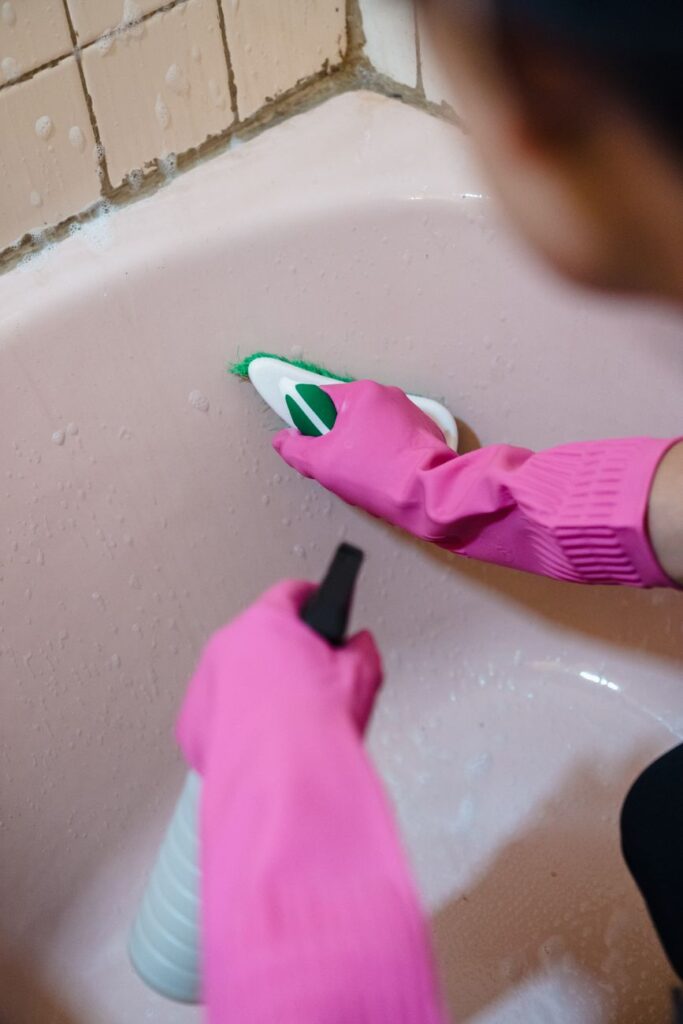
Mouldy Shower Tiles Kitchen Guide Part 2
Introduction
Mouldy tiles in your kitchen can be an unsightly problem that not only affects the aesthetic of your space but can also pose health risks. This guide will help you identify the causes of mould growth around your kitchen tiles, provide effective cleaning techniques, and offer preventive measures to keep your tiles looking pristine.
What Causes Kitchen Mould?
Mould thrives in damp, humid environments. In kitchens, several factors contribute to mould growth, particularly in areas where moisture accumulates:
1. High Humidity: Kitchens often have high humidity levels due to cooking, dishwashing, and lack of ventilation.
2. Leaky Pipes: Any leaks from plumbing fixtures can create a moist environment ideal for mould.
3. Standing Water: Puddles around sinks or dishwashers can lead to mould if not cleaned up promptly.
4. Poor Ventilation: Lack of proper airflow can trap moisture, leading to mould growth on tiles and grout.
Why This Problem Happens
Understanding why mould grows in your kitchen is crucial for effective prevention and cleaning. The main reasons include:
- Condensation: Warm air from cooking can condense on cooler surfaces, leading to moisture accumulation.
- Food Particles: Food spills and residues can provide nutrients for mould, especially when not cleaned promptly.
- Infrequent Cleaning: Neglecting regular cleaning routines allows mould spores to settle and thrive.
- Rubber gloves
- Mask
- Scrub brush or old toothbrush
- Sponge
- Spray bottle
- Cleaning solution (see Best Cleaning Methods section)
- Microfiber cloth
- Ventilate the Space: Open windows and turn on exhaust fans to ensure good air circulation.
- Remove Items: Clear the area around the affected tiles to make cleaning easier.
- Choose Your Cleaner: You can use store-bought mould removers or make your own with vinegar, baking soda, or bleach (diluted).
- Spray the Affected Area: Generously apply your cleaning solution to the mouldy tiles and grout.
- Allow the solution to sit for at least 10-15 minutes. This gives it time to penetrate and kill the mould.
- Use a scrub brush or an old toothbrush to scrub the tiles and grout. Focus on the seams where mould tends to accumulate.
- Wipe the area with a damp sponge to remove the cleaning solution and any loosened mould.
- Dry the area thoroughly with a microfiber cloth to prevent further moisture accumulation.
- Dispose of any sponges or brushes used in the cleaning process. This helps prevent recontamination.
- Mix: Combine equal parts vinegar and water in a spray bottle.
- Use: Spray directly on mouldy areas, let it sit, then scrub and rinse.
- Mix: Create a paste with baking soda and water.
- Use: Apply to the mouldy area, scrub, and rinse.
- Mix: Combine one part bleach to ten parts water.
- Use: Apply cautiously, as bleach can discolor surfaces. Ensure good ventilation.
- Use: Follow the instructions on the product, typically involving spraying, waiting, scrubbing, and rinsing.
- Improve Ventilation: Use exhaust fans and open windows while cooking.
- Wipe Up Spills Immediately: Clean up any spills or water accumulation as soon as they occur.
- Regular Cleaning: Establish a routine cleaning schedule to prevent mould from developing.
- Use a Dehumidifier: If humidity is a persistent issue, consider using a dehumidifier in your kitchen.
- Seal Grout Lines: Apply a grout sealer to help prevent moisture from penetrating the grout.
How to Fix Kitchen Mould (Step-by-Step)
Cleaning mouldy tiles in your kitchen requires a systematic approach. Follow these steps:
Step 1: Gather Your Supplies
You’ll need:
Step 2: Prepare the Area
Step 3: Apply the Cleaning Solution
Step 4: Let it Sit
Step 5: Scrub the Area
Step 6: Rinse and Dry
Step 7: Dispose of Waste Properly
Best Cleaning Methods
Here are some effective cleaning methods for tackling mouldy kitchen tiles:
1. Vinegar Solution
2. Baking Soda Paste
3. Bleach Solution
4. Commercial Mould Remover
Common Mistakes to Avoid
1. Not Wearing Protective Gear: Always wear gloves and a mask to protect yourself from mould spores.
2. Using Too Much Water: Excess water can make mould worse; use solutions sparingly.
3. Ignoring Grout: Mould often hides in grout lines; make sure to scrub these areas thoroughly.
4. Skipping Rinsing: Residual cleaning products can attract dirt and moisture, leading to more mould.
Prevention Tips
To keep your kitchen tiles mould-free, consider these preventive measures:
Frequently Asked Questions
1. How often should I clean my kitchen tiles to prevent mould?
Aim to clean your kitchen tiles at least once a month, with more frequent cleaning in high-moisture areas.
2. Can I use a steam cleaner on mouldy tiles?
Yes, a steam cleaner can effectively kill mould without the need for harsh chemicals. Ensure the area is well-ventilated.
3. What should I do if the mould keeps coming back?
If mould returns frequently, check for leaks or hidden moisture sources. Improving ventilation and regular cleaning can also help.
4. Is mould harmful to my health?
Yes, prolonged exposure to mould can cause respiratory issues and allergies. It’s essential to address mould problems promptly.
5. Can I prevent mould with essential oils?
Some essential oils, like tea tree or lavender, have antifungal properties. Add them to your cleaning solutions for added protection.
6. What type of tiles are best to prevent mould?
Porcelain and ceramic tiles are less porous and less likely to harbor mould compared to natural stone tiles.
By following this guide, you can effectively tackle mouldy kitchen tiles, ensuring a clean and healthy space for cooking and dining. Stay proactive in your cleaning efforts to keep mould at bay!