
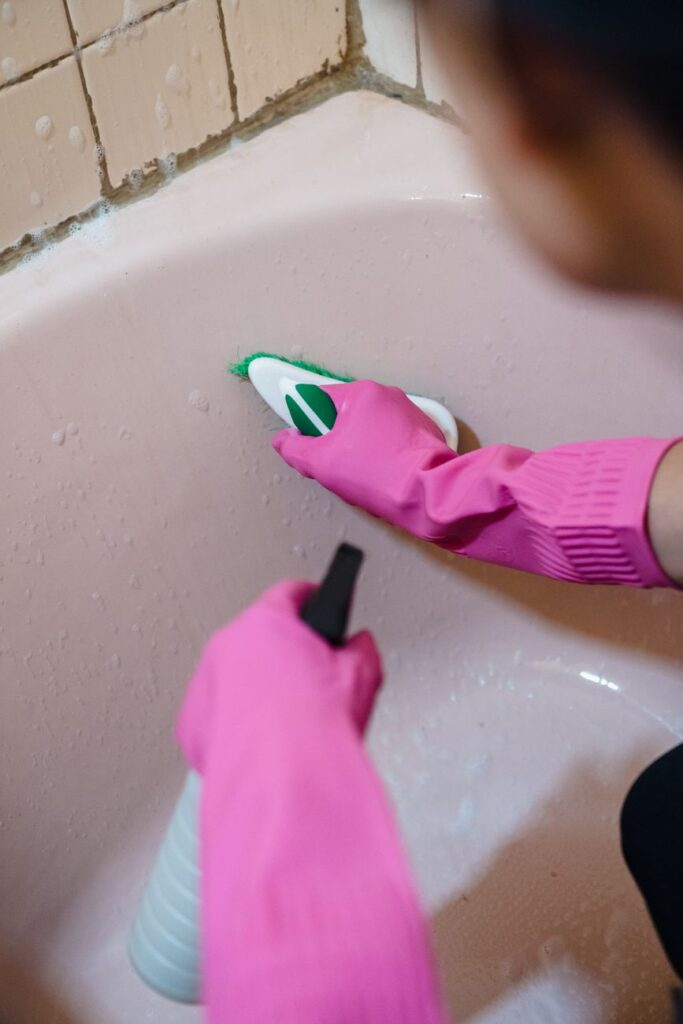
Mouldy Shower Tiles Cleaning Guide Part 2
Introduction
Mouldy shower tiles can turn a relaxing bathing experience into a frustrating chore. Whether you’re dealing with stubborn black spots or fuzzy green patches, this guide will help you tackle the issue effectively. By understanding what causes mould, how to fix it, and how to prevent it from returning, you can enjoy a cleaner, healthier shower space.
What Causes Mould on Shower Tiles?
Mould thrives in damp, warm environments, which makes your shower an ideal breeding ground. Here are the primary factors that contribute to mould growth:
1. High Humidity: Showers generate steam, raising humidity levels in the bathroom.
2. Poor Ventilation: Lack of airflow allows moisture to linger, creating a perfect environment for mould.
3. Soap Residue: Soap and shampoo can leave behind residues that feed mould spores.
4. Grout Quality: Damaged or porous grout can absorb moisture, making it more susceptible to mould.
Why This Problem Happens
Understanding the underlying causes of mould can help you address the issue more effectively. When your bathroom is frequently wet and poorly ventilated, mould spores can settle on tiles and grout. Over time, they multiply, leading to visible mould growth. This problem often worsens in bathrooms that aren’t cleaned regularly or are used frequently without proper drying.
How to Fix Mouldy Shower Tiles (Step-by-Step)
Step 1: Gather Your Supplies
Before you begin, gather the following cleaning supplies:
- Rubber gloves
- Face mask (optional)
- Scrub brush or sponge
- Old toothbrush (for grout lines)
- Bucket
- Spray bottle
- Cleaning solution (see “Best Cleaning Methods” below)
- Mix: Combine equal parts vinegar and baking soda to create a paste.
- Apply: Spread the paste on mouldy areas and scrub after 10 minutes.
- Use: Spray 3% hydrogen peroxide directly onto the mould.
- Let it Sit: Allow it to sit for at least 10 minutes before scrubbing.
- Follow Instructions: Read the label for specific application instructions.
- Safety First: Use gloves and a mask to protect yourself from harsh chemicals.
Step 2: Prepare the Area
1. Clear the Shower: Remove all products from the shower, including shampoo, soap, and loofahs.
2. Ventilate the Space: Open windows or turn on the exhaust fan to minimize inhaling mould spores.
Step 3: Apply the Cleaning Solution
1. Choose Your Cleaner: You can use a commercial mould remover or a homemade solution (like a mix of vinegar and baking soda).
2. Spray Generously: Apply the cleaner directly onto the mouldy areas of the tiles and grout.
3. Let it Sit: Allow the solution to sit for 10-15 minutes. This helps break down the mould.
Step 4: Scrub the Tiles
1. Use a Scrub Brush: With your scrub brush or sponge, start scrubbing the tiles in a circular motion. Pay special attention to grout lines where mould tends to accumulate.
2. Old Toothbrush for Grout: Use an old toothbrush to get into hard-to-reach grout lines effectively.
Step 5: Rinse Thoroughly
1. Rinse with Water: Use a bucket or handheld showerhead to rinse the tiles and grout thoroughly.
2. Check for Residue: Ensure all cleaning solution and mould is washed away.
Step 6: Dry the Area
1. Wipe Down Surfaces: Use a clean, dry towel to wipe down tiles and prevent any remaining moisture.
2. Leave the Door Open: Allow the bathroom to air out completely.
Best Cleaning Methods
1. Vinegar and Baking Soda
2. Hydrogen Peroxide
3. Commercial Mould Removers
Common Mistakes to Avoid
1. Not Ventilating: Failing to ventilate the bathroom can worsen mould issues.
2. Skipping Regular Cleaning: Allowing mould to grow unchecked makes removal much harder.
3. Using the Wrong Cleaner: Some cleaners may not be effective against mould. Ensure you use a suitable solution.
4. Ignoring Grout: Mould often hides in grout lines; don’t neglect these areas.
Prevention Tips
1. Improve Ventilation: Use an exhaust fan or open windows during and after showering.
2. Regular Cleaning: Establish a routine cleaning schedule to keep mould at bay.
3. Squeegee After Use: Use a squeegee to remove excess water from tiles after each shower.
4. Seal Grout: Apply a grout sealant every 6-12 months to make it less porous and resistant to mould.
Frequently Asked Questions
1. How often should I clean my shower tiles to prevent mould?
Aim to clean your shower tiles at least once a week. Regular maintenance will help keep mould at bay.
2. Can I use bleach to clean mouldy shower tiles?
While bleach can kill mould, it may not effectively remove it from porous surfaces like grout. It’s better to use a solution specifically designed for mould removal.
3. What if the mould keeps coming back?
If mould returns quickly after cleaning, you may need to address underlying issues such as humidity or poor ventilation. Consider using a dehumidifier or improving airflow.
4. Is mould on shower tiles dangerous?
While occasional exposure to mould is generally not harmful, prolonged exposure can lead to respiratory issues, especially for sensitive individuals.
5. Can I prevent mould without using harsh chemicals?
Yes! Natural cleaners like vinegar, baking soda, and hydrogen peroxide are effective against mould without harsh chemicals.
6. Should I replace my grout if it’s mouldy?
If the grout is severely damaged or mould has penetrated deeply, it may be best to replace it. However, cleaning and sealing may suffice for minor issues.
By following this comprehensive guide, you can tackle mouldy shower tiles effectively and maintain a clean, healthy bathroom environment. Happy cleaning!