
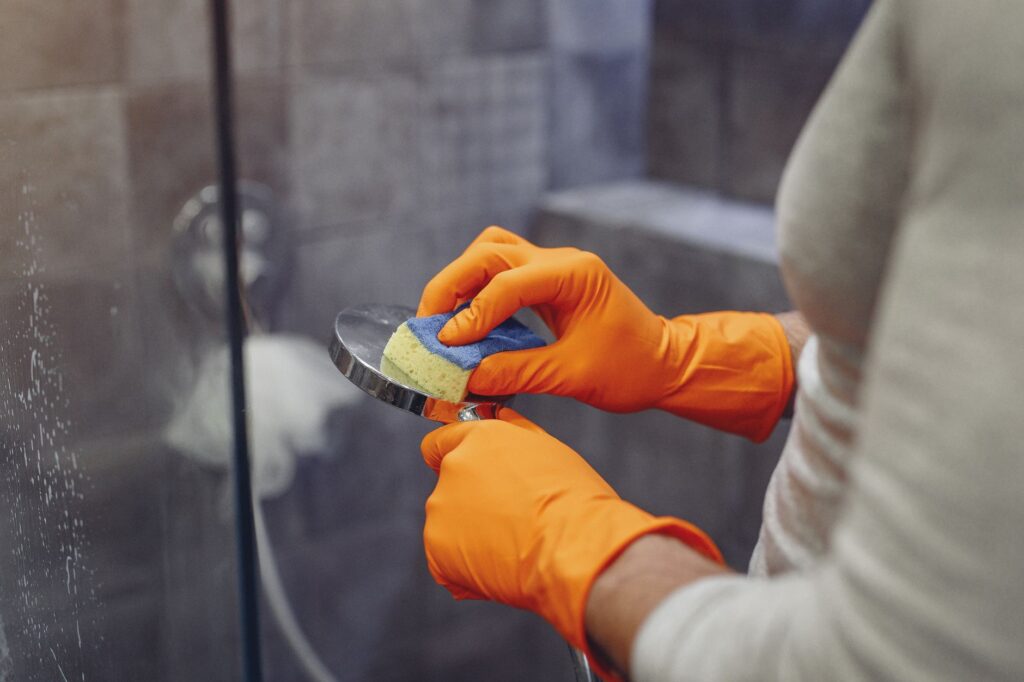
Mouldy Shower Head Stains Guide Part 2
Introduction
Mouldy shower head stains can be an eyesore and a health concern in your bathroom. This guide will help you identify the causes of these stains, explain why they occur, and provide effective, step-by-step methods to clean and prevent them. Let’s dive in and tackle this common household problem.
What Causes Stains?
Shower head stains are typically caused by a combination of moisture, mineral deposits, and bacteria or mould growth. Here are the main culprits:
1. Mineral Deposits: Hard water contains minerals like calcium and magnesium. When water evaporates, these minerals can leave behind white or cloudy stains on the shower head.
2. Mould and Mildew: Humid environments, such as bathrooms, are perfect for mould and mildew growth. If your shower head is not regularly cleaned, these fungi can thrive.
3. Soap Scum: Soap and body products can build up over time, creating a sticky surface that attracts dirt and grime.
Why This Problem Happens
Understanding why your shower head becomes stained can help you prevent it in the future. Here are the primary reasons:
1. High Humidity: Bathrooms often have high humidity levels, which encourages mould growth.
2. Poor Ventilation: Lack of airflow means moisture lingers, providing an ideal environment for stains to form.
3. Neglect: Regular cleaning is key. Without it, stains can accumulate and become more difficult to remove.
4. Water Quality: If you have hard water, your shower head is more susceptible to mineral deposits.
How to Fix Stains (Step-by-Step)
Cleaning your mouldy shower head is straightforward if you follow these steps:
Step 1: Gather Your Supplies
- White vinegar
- Baking soda
- A soft cloth or sponge
- A toothbrush or small scrub brush
- A zip-lock bag (for detachable shower heads)
- Rubber gloves (optional)
Step 2: Detach the Shower Head (if possible)
If your shower head is detachable, remove it from the pipe. This allows for a more thorough cleaning.
Step 3: Soak in Vinegar
Fill a bowl or a zip-lock bag with white vinegar. Submerge the shower head in the vinegar for at least 30 minutes. This helps dissolve mineral deposits and kill mould.
Step 4: Scrub the Shower Head
After soaking, use the toothbrush or scrub brush to scrub away any remaining stains. Pay special attention to the areas around the nozzles, where build-up is often the worst.
Step 5: Rinse
Rinse the shower head thoroughly with warm water to remove any remaining vinegar and debris.
Step 6: Reattach (if applicable)
If you detached the shower head, reattach it securely.
Step 7: Run Water
Turn on the shower and let the water run for a minute to clear out any residual vinegar.
Best Cleaning Methods
In addition to the vinegar method, consider these effective cleaning options:
1. Baking Soda Paste: Mix baking soda with water to create a paste. Apply it to the stained areas and let it sit for 10-15 minutes before scrubbing and rinsing.
2. Commercial Cleaners: There are various commercial cleaning products designed specifically for shower heads. Always follow the manufacturer’s instructions and ensure proper ventilation.
3. Hydrogen Peroxide: This can be effective against mould. Spray it directly on the stains and let it sit for 15 minutes before scrubbing.
Common Mistakes to Avoid
1. Using Abrasive Cleaners: Avoid steel wool or harsh chemicals that can scratch or damage the finish of your shower head.
2. Skipping the Rinse: Always rinse thoroughly after cleaning. Leftover cleaning agents can cause further staining or damage.
3. Neglecting Regular Maintenance: Cleaning your shower head regularly prevents stains from building up.
4. Not Checking Water Quality: If you have hard water, consider installing a water softener or using a filter to reduce mineral deposits.
Prevention Tips
Preventing mouldy stains is easier than dealing with them after they occur. Here are some proactive steps to take:
1. Ventilation: Ensure your bathroom is well-ventilated. Use an exhaust fan or open a window during and after showers.
2. Wipe Down: After each shower, use a squeegee or cloth to wipe down the shower head and surrounding areas.
3. Regular Cleaning: Schedule a cleaning routine for your shower head every couple of weeks to prevent build-up.
4. Use a Shower Filter: Installing a water filter can reduce mineral deposits from hard water and improve water quality.
Frequently Asked Questions
1. How often should I clean my shower head?
Aim to clean your shower head every two weeks to prevent build-up.
2. Can I use bleach to clean my shower head?
While bleach can kill mould, it may damage some finishes. Stick to vinegar or baking soda for safer results.
3. What if my shower head is still stained after cleaning?
If stains persist, consider soaking the shower head in vinegar for longer or using a commercial cleaner specifically designed for tough stains.
4. Is it safe to use a pressure washer on my shower head?
No, a pressure washer can damage the shower head and its fixtures. Stick to gentle cleaning methods.
5. How can I remove hard water stains if vinegar doesn’t work?
Try using a baking soda paste or a commercial hard water stain remover. Always follow the product instructions.
6. Can I prevent mould from forming in my bathroom?
Yes, maintain good ventilation, clean regularly, and use mould-resistant products to keep your bathroom mould-free.
By following these guidelines, you can keep your shower head clean and free from mouldy stains, ensuring a pleasant and hygienic shower experience.