
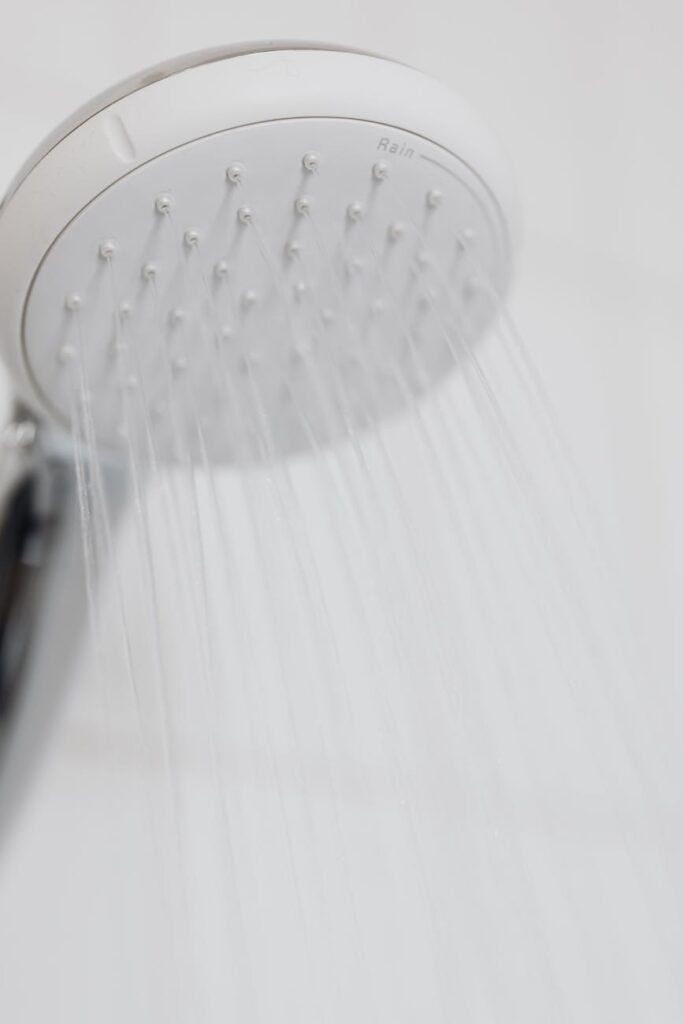
Mouldy Shower Head Stains Guide Part 1
Introduction
A clean shower head is essential for a refreshing shower experience. Unfortunately, over time, you may notice unsightly stains caused by mould, mildew, or mineral deposits. These stains not only detract from the appearance of your bathroom but can also affect water flow. In this guide, we’ll explore what causes these stains, why they happen, and provide you with step-by-step solutions to restore your shower head to its former glory.
What Causes Stains?
Shower head stains can arise from several factors:
1. Mould and Mildew: These thrive in damp environments, making your shower head an ideal breeding ground.
2. Hard Water Deposits: Minerals like calcium and magnesium can accumulate and create a chalky residue.
3. Soap Scum: Leftover soap can combine with water and minerals, leading to stubborn stains.
Understanding the source of the stains is the first step in effectively combating them.
Why This Problem Happens
There are a few reasons why shower heads become stained:
- Humidity: Bathrooms are typically humid, which encourages mould and mildew growth. If your bathroom lacks proper ventilation, the dampness can exacerbate the problem.
- Water Quality: If you live in an area with hard water, you may find mineral deposits building up more quickly on your fixtures.
- Infrequent Cleaning: Regular maintenance is key. If you neglect your shower head, stains will accumulate over time.
- White vinegar
- Baking soda
- A soft brush or toothbrush
- A plastic bag or bowl
- Rubber bands or string
- Microfiber cloth
Recognizing these factors can help you take preventative measures and understand the importance of routine cleaning.
How to Fix Stains (Step-by-Step)
Step 1: Gather Your Supplies
Before you begin, make sure you have the following on hand:
Step 2: Prepare the Vinegar Solution
If you’re dealing with hard water stains, a vinegar soak is highly effective:
1. Pour white vinegar into a plastic bag or bowl.
2. If your shower head is removable, submerge it directly in the vinegar. If not, fill the bag with vinegar and place it over the shower head, securing it with a rubber band or string.
Step 3: Soak the Shower Head
Allow the shower head to soak for at least 30 minutes. For tougher stains, consider leaving it overnight. The acidity in the vinegar will help dissolve mineral deposits and break down mould.
Step 4: Scrub the Stains
After soaking, use a soft brush or toothbrush to gently scrub the shower head. Pay special attention to crevices and nozzles. Most stains should come off easily at this point.
Step 5: Rinse Thoroughly
Rinse the shower head under warm water to remove any remaining vinegar and loosened debris. If you used a bag, remove it and run water through the shower head for a few minutes.
Step 6: Wipe Down
Use a microfiber cloth to wipe down the exterior of the shower head, ensuring it’s clean and shiny.
Best Cleaning Methods
While vinegar is effective, there are other methods you can use depending on the severity of the stains:
1. Baking Soda Paste: Mix baking soda with a little water to form a paste. Apply it to stubborn stains, let it sit for 15 minutes, and scrub.
2. Commercial Cleaners: If natural methods fail, consider using a commercial bathroom cleaner specifically designed to combat mould and mildew. Always follow the manufacturer’s instructions.
3. Hydrogen Peroxide: For mould stains, hydrogen peroxide can be effective. Spray it directly onto the affected area and let it sit for 10-15 minutes before scrubbing.
Choose the method best suited to the type of stains you’re dealing with.
Common Mistakes to Avoid
1. Using Abrasive Cleaners: Avoid harsh or abrasive cleaners that can scratch or damage the finish of your shower head.
2. Neglecting Regular Maintenance: Set a cleaning schedule. Regularly cleaning your shower head can prevent stains from building up in the first place.
3. Ignoring the Surrounding Areas: Clean not just the shower head but also the shower walls and floor, as mould can spread easily in these areas.
4. Over-Soaking: While soaking is effective, leaving it in vinegar for too long can also corrode some materials. Always check the manufacturer’s recommendations.
Prevention Tips
1. Ventilation: Ensure proper ventilation in your bathroom. Use an exhaust fan or open a window to reduce humidity.
2. Regular Cleaning: Incorporate your shower head into your cleaning routine. A quick wipe-down once a week can prevent build-up.
3. Use a Water Softener: If hard water is an issue, consider installing a water softener to reduce mineral deposits.
4. Dry After Use: Wipe down the shower head after each use to minimize moisture and prevent mould growth.
By implementing these strategies, you can keep your shower head clean and free of stains.
Frequently Asked Questions
1. How often should I clean my shower head?
Aim to clean your shower head at least once a month. If you have hard water or notice stains developing, increase the frequency.
2. Can I use bleach to clean my shower head?
Bleach can be effective against mould but should be used with caution. It may damage certain finishes and can be harmful if not properly diluted. Always follow safety guidelines.
3. How do I know if my shower head is removable?
Check for a visible connection point where the shower head screws onto the pipe. If you see threads, it’s likely removable. If unsure, consult the manufacturer’s instructions.
4. What if the stains don’t come off?
If stains persist after cleaning, consider using a stronger commercial cleaner designed for mineral deposits or consult a professional.
5. Are there any shower heads resistant to mould?
Yes, some shower heads are designed with anti-mould properties or made from materials that resist stains. Research options when purchasing a new shower head.
6. Can I use vinegar on all types of shower heads?
While vinegar is generally safe for most shower heads, avoid it on certain finishes like shiny metals or gold-plated fixtures. Always check the manufacturer’s guidelines.
By following this guide, you will be well-equipped to tackle mouldy shower head stains and maintain a clean, hygienic bathroom space. Stay tuned for Part 2, where we will delve into deeper cleaning techniques and advanced maintenance tips!