
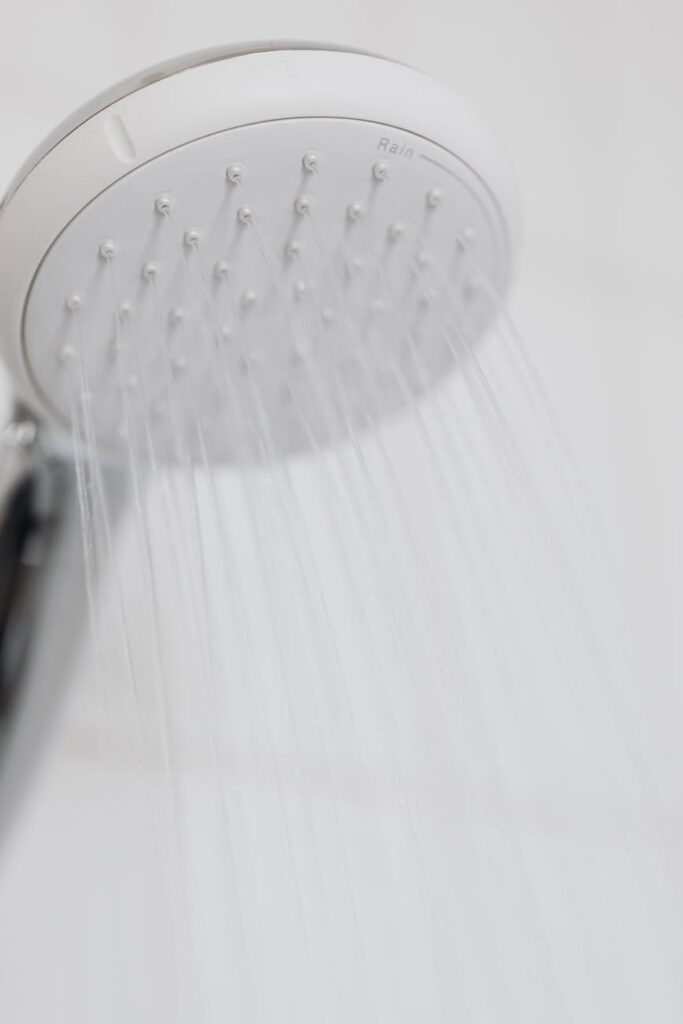
Mouldy Shower Head Mould & Damp Guide Part 1
Introduction
A mouldy shower head is more than just an eyesore; it can lead to reduced water flow and may affect your overall showering experience. Mould thrives in damp environments, making your bathroom a prime target. This guide will help you understand what causes mould and dampness, how to effectively clean your shower head, and how to prevent it from returning.
What Causes Mould & Damp?
Mould growth occurs when moisture, warmth, and organic material come together. In the bathroom, these elements are prevalent due to:
- High Humidity: Showers create steam, raising humidity levels.
- Infrequent Cleaning: A lack of regular maintenance allows mould spores to settle.
- Poor Ventilation: Bathrooms without proper air circulation trap moisture.
- Water Accumulation: Dripping taps or leaks increase dampness.
- White vinegar
- Baking soda
- Old toothbrush or sponge
- A plastic bag
- Rubber bands
- Spray bottle
- Microfiber cloth
- Vinegar: An effective natural disinfectant that kills most types of mould.
- Baking Soda: Acts as a gentle abrasive and deodorizer.
- Hydrogen Peroxide: For severe mould, a solution of hydrogen peroxide can be effective. Spray it on, let it sit for 10-15 minutes, then rinse.
Why This Problem Happens
Mouldy shower heads can develop quickly if you don’t address the underlying issues. Here’s why:
1. Condensation: After a hot shower, moisture condenses on cooler surfaces, including your shower head.
2. Organic Matter: Soap scum, hair, and skin cells provide nutrients for mould growth.
3. Neglected Areas: Areas that are hard to reach or clean often become mould hotspots.
Understanding these factors is crucial for effective cleaning and prevention.
How to Fix Mould & Damp (Step-by-Step)
Step 1: Gather Your Supplies
Before you start, gather the following materials:
Step 2: Remove the Shower Head
If possible, remove the shower head for a more thorough cleaning. Use a wrench if it’s tightly secured.
Step 3: Soak in Vinegar
1. Fill a plastic bag with white vinegar.
2. Attach the bag to the shower head using rubber bands, ensuring it’s fully submerged.
3. Let it soak for at least 30 minutes. This will help dissolve mineral deposits and kill mould.
Step 4: Scrub the Shower Head
1. After soaking, use an old toothbrush or sponge to scrub the surface.
2. Pay special attention to crevices and openings where mould tends to accumulate.
3. Rinse thoroughly with warm water.
Step 5: Treat with Baking Soda (Optional)
For stubborn mould, sprinkle baking soda over the shower head after rinsing. Let it sit for about 10 minutes, then scrub again before rinsing.
Step 6: Reattach and Test
Once cleaned, reattach the shower head. Turn on the water to ensure proper flow and check for any remaining signs of mould.
Best Cleaning Methods
Common Mistakes to Avoid
1. Using Harsh Chemicals: Avoid bleach; it can damage your shower head and plumbing.
2. Neglecting Regular Maintenance: Don’t wait for mould to appear. Regular cleaning helps prevent build-up.
3. Ignoring Ventilation: Ensure your bathroom is well-ventilated to minimize humidity levels.
4. Skipping the Rinsing Step: Always rinse after cleaning; leftover cleaning agents can attract more dirt.
Prevention Tips
1. Ventilate: Always use exhaust fans or open windows during and after showers.
2. Wipe Down Surfaces: After showering, use a squeegee to remove excess water from the shower head and walls.
3. Regular Cleaning: Clean your shower head at least once a month to prevent mould build-up.
4. Check for Leaks: Regularly inspect plumbing for leaks, which can contribute to dampness.
Frequently Asked Questions
1. How often should I clean my shower head?
Aim to clean your shower head at least once a month. Regular maintenance will help prevent mould growth.
2. Can I use bleach to clean mould off my shower head?
It’s not recommended. Bleach can damage the finish of your shower head and may not effectively eliminate mould in hidden areas.
3. What are the signs of mould on a shower head?
Look for dark spots, a musty smell, or decreased water flow. These can indicate mould growth.
4. How long does it take for mould to grow?
Mould can start to develop within 24 to 48 hours in a damp environment, so timely cleaning is essential.
5. Is it safe to shower with a mouldy shower head?
While it’s not ideal, occasional exposure may not pose serious health risks for most people. However, regular cleaning is essential to ensure a healthy showering environment.
6. Can I prevent mould with essential oils?
While some essential oils like tea tree oil have antifungal properties, they should not replace regular cleaning methods. They can be used as a supplementary measure.
By following this practical guide, you can effectively tackle mouldy shower heads and keep them clean and safe for use. Stay tuned for Part 2, where we will explore more advanced cleaning techniques and tools!