
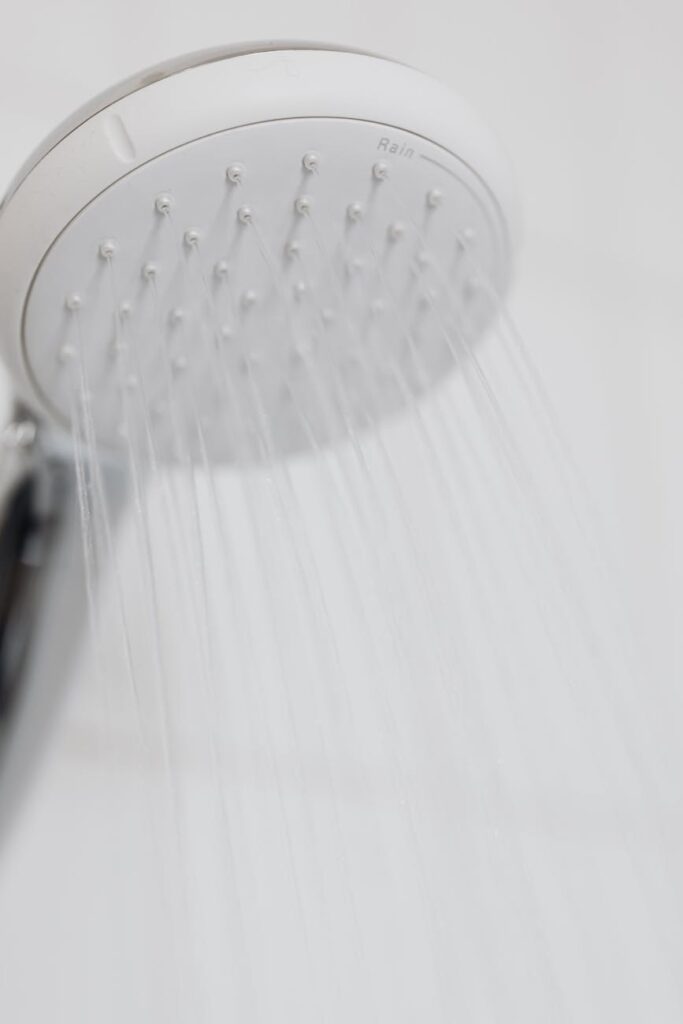
Mouldy Shower Head Kitchen Guide Part 1
Introduction
A mouldy shower head can be a frustrating problem, especially when it starts to affect your kitchen’s cleanliness and hygiene. While it may seem like a minor issue, a mouldy shower head can harbor bacteria and cause unpleasant odors. This guide will walk you through the causes, solutions, and preventive measures to keep your kitchen shower head clean and mould-free.
What Causes Kitchen Mouldy Shower Heads?
Mould thrives in damp, warm environments, making shower heads an ideal breeding ground. The following factors contribute to the growth of mould in your kitchen shower head:
1. High Humidity: Kitchens often have high humidity levels due to cooking and dishwashing.
2. Infrequent Use: Shower heads that aren’t used regularly can accumulate water and moisture.
3. Poor Ventilation: Lack of airflow can trap moisture, creating a perfect environment for mould.
4. Mineral Build-up: Hard water can leave mineral deposits that attract mould.
Why This Problem Happens
Understanding why mould appears is crucial for effective cleaning and prevention. Here are some reasons:
- Water Stagnation: If water remains in the shower head after use, it creates a habitat for mould.
- Food Particles: Cooking splatters can contribute to the growth of mould and bacteria, especially in areas near the kitchen sink.
- Neglect: Regular maintenance and cleaning are often overlooked, allowing mould to take hold.
- White vinegar
- Baking soda
- A bowl or bucket
- A soft brush (such as an old toothbrush)
- Microfiber cloths
- Gloves (optional)
- Using Abrasive Cleaners: Avoid steel wool or harsh chemicals that can scratch or damage the surface.
- Neglecting Regular Maintenance: Don’t wait for mould to become visible before cleaning. Regular maintenance is key.
- Not Rinsing Properly: Ensure all cleaning agents are thoroughly rinsed to prevent build-up.
How to Fix Kitchen Mouldy Shower Heads (Step-by-Step)
Follow these simple steps to clean your mouldy shower head effectively:
Step 1: Gather Your Supplies
Before you start, gather the following items:
Step 2: Remove the Shower Head
1. Turn Off Water Supply: If you’re using a detachable shower head, turn off the water supply.
2. Detach the Shower Head: Use a wrench to carefully unscrew the shower head from the arm.
3. Inspect for Damage: Check for any damage or rust that may need attention.
Step 3: Soak in Vinegar Solution
1. Prepare Vinegar Solution: Fill a bowl or bucket with equal parts white vinegar and water.
2. Soak the Shower Head: Submerge the shower head in the solution for at least 30 minutes. This will help dissolve any mineral build-up and kill mould.
Step 4: Scrub the Shower Head
1. Add Baking Soda: After soaking, sprinkle baking soda on the shower head for added scrubbing power.
2. Scrub Gently: Use your soft brush to scrub away any remaining mould or deposits. Pay attention to crevices where mould tends to hide.
Step 5: Rinse and Reattach
1. Rinse Thoroughly: Rinse the shower head under running water to remove all vinegar and baking soda residue.
2. Reattach: Screw the shower head back onto the arm, ensuring it’s secure.
3. Turn On Water: Turn the water supply back on and run the shower for a minute to clear out any remaining debris.
Best Cleaning Methods
Here are some of the best cleaning methods for maintaining a mould-free shower head:
1. Vinegar Soak
Soaking in vinegar is one of the simplest and most effective methods. It not only kills mould but also helps to remove mineral deposits.
2. Baking Soda Paste
Mix baking soda with a little water to create a paste. Apply it to stubborn mould spots and let it sit for 10-15 minutes before scrubbing.
3. Commercial Cleaners
If you prefer commercial products, look for mould and mildew cleaners specifically designed for kitchen use. Always follow the manufacturer’s instructions.
Common Mistakes to Avoid
Avoid these common pitfalls when cleaning your shower head:
Prevention Tips
Preventing mould growth is easier than dealing with it once it appears. Here are some tips:
1. Dry After Use: Wipe the shower head dry after each use to minimize moisture.
2. Ventilation: Ensure your kitchen is well-ventilated. Use exhaust fans or open windows when cooking.
3. Regular Cleaning: Incorporate shower head cleaning into your regular cleaning routine, ideally once a month.
4. Use a Water Softener: If hard water is an issue, consider installing a water softener to reduce mineral build-up.
Frequently Asked Questions
1. How often should I clean my kitchen shower head?
Aim to clean your kitchen shower head at least once a month to prevent mould and mineral build-up.
2. Can I use bleach to clean mould?
While bleach can kill mould, it may not be the best choice for shower heads. It can cause discoloration and damage. Opt for vinegar or baking soda instead.
3. What if the mould doesn’t come off?
If mould persists after cleaning, consider soaking the shower head in a stronger vinegar solution for a longer period or using a commercial cleaner.
4. Is mould in the shower head harmful?
Yes, mould can lead to health issues if inhaled over time. It’s essential to keep your shower head clean to prevent mould growth.
5. Can I put my shower head in the dishwasher?
Some shower heads are dishwasher-safe, but check the manufacturer’s guidelines first. This method can help in cleaning but may not eliminate mould.
6. What should I do if my shower head is damaged?
If you notice any significant damage or rust, it might be time to replace the shower head to ensure proper hygiene.
By following this guide, you can effectively tackle the problem of a mouldy shower head in your kitchen, ensuring a cleaner and healthier environment for you and your family.